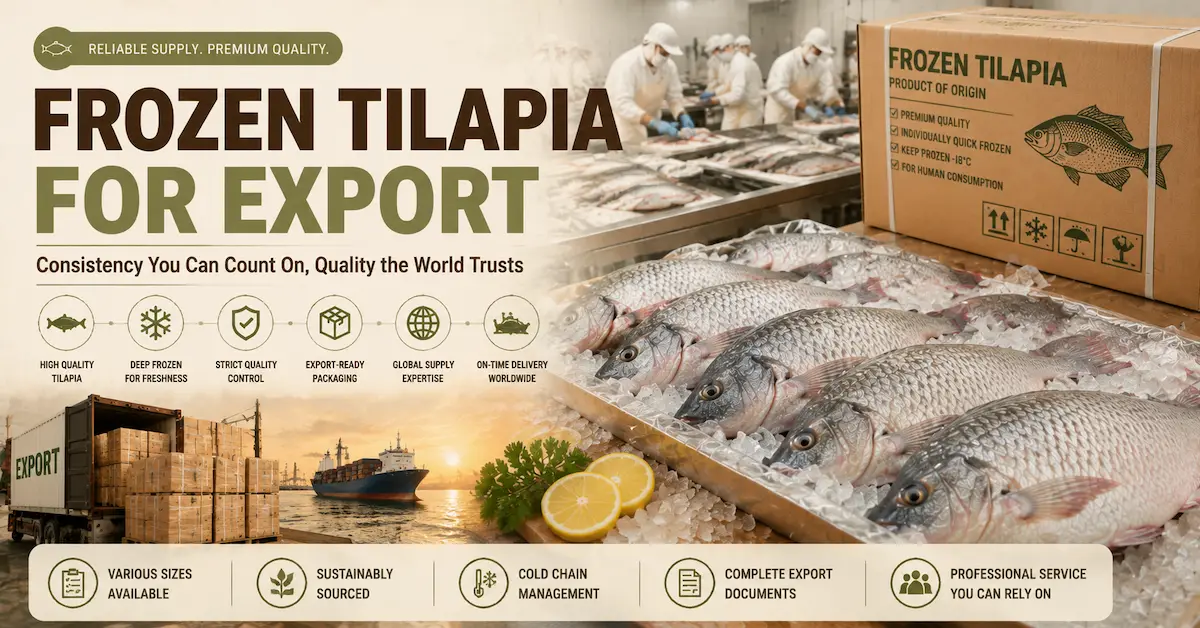


Choosing the right tilapia size is one of the most important decisions for seafood importers, wholesalers, restaurants, and food distributors.
For buyers sourcing frozen tilapia for export, size directly affects:
- Purchase price
- Customer demand
- Cooking application
- Portion control
- Packaging efficiency
- Shipping cost
- Market positioning
There is no single “best” frozen tilapia size for every market.
A size that works well for wholesale markets may not be ideal for restaurants. A size preferred by foodservice buyers may not match supermarket requirements.
A professional frozen tilapia supplier should recommend the right size based on the buyer’s target market, sales channel, and application.
This guide explains how global buyers choose frozen tilapia sizes for export.
Quick Answer: What Size Frozen Tilapia Is Best for Export?
The best export size depends on the buyer’s market and application.
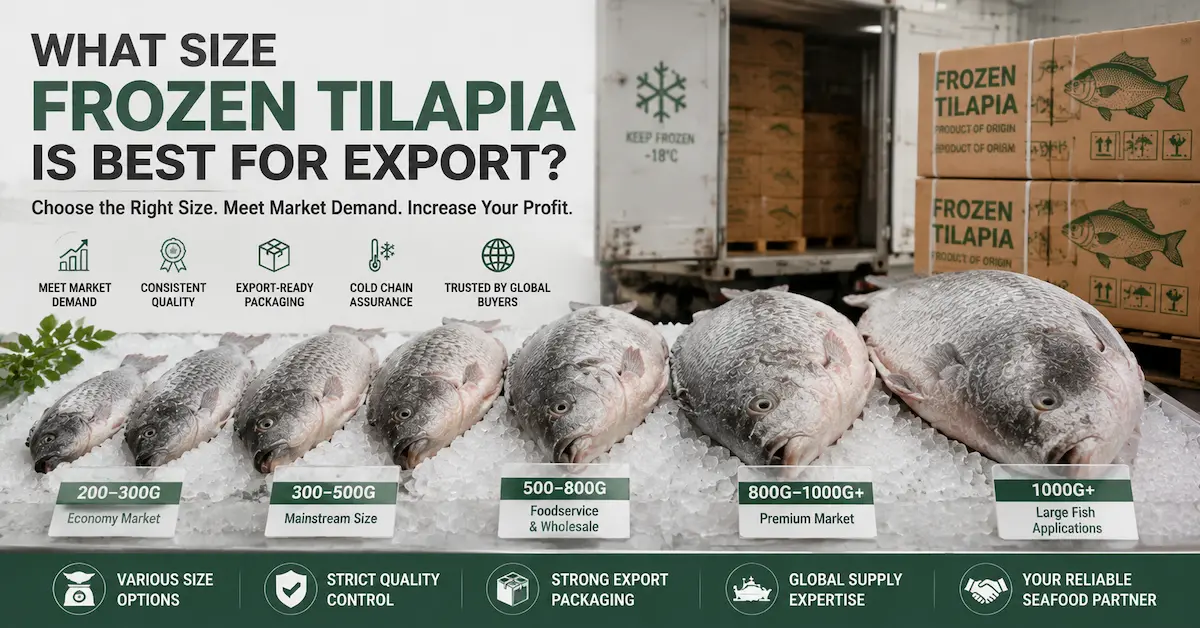
Common frozen tilapia export sizes include:
| Size Range | Typical Application |
|---|---|
| 200–300g | Retail markets and price-sensitive buyers |
| 300–500g | Restaurants, wholesalers, and general markets |
| 500–800g | Foodservice and premium wholesale |
| 800g–1000g+ | Restaurants and larger portion markets |
However, exact size requirements vary by:
- Country
- Consumer preference
- Cooking habits
- Import regulations
- Retail format
- Restaurant demand
Before ordering, buyers should confirm:
- Individual fish weight
- Size tolerance
- Pieces per carton
- Net weight
- Processing method
- Packaging
Why Frozen Tilapia Size Matters for Export Buyers
Tilapia size affects almost every part of the supply chain.
Customer Demand
Different markets prefer different fish sizes.
For example:
- Traditional seafood markets often prefer whole fish with affordable pricing.
- Restaurants may prefer medium or large fish for presentation.
- Supermarkets may require consistent weight for retail packs.
Processing Yield
Larger fish may provide:
- Higher meat yield
- Larger fillets
- Better portion sizes
Smaller fish may provide:
- Lower purchase cost
- Faster turnover
- Easier retail pricing
Transportation Efficiency
Size affects:
- Carton quantity
- Container loading
- Storage efficiency
- Shipping cost per kilogram
Cooking Application
Restaurants and foodservice companies usually consider:
- Serving size
- Cooking method
- Presentation
- Customer expectations
A supplier should understand the final use before recommending a size.
Common Frozen Tilapia Export Size Grades
Whole frozen tilapia is usually sold according to individual fish weight.
Common commercial grades include:
| Weight Range | Market Position |
|---|---|
| 200–300g | Economy market |
| 300–500g | Mainstream export size |
| 500–700g | Foodservice and wholesale |
| 700–1000g | Premium restaurant market |
| 1000g+ | Large fish applications |
These ranges are general references only. Actual grading depends on supplier specifications and buyer requirements.
200–300g Frozen Tilapia
Small-size tilapia is often selected for price-sensitive markets.
Advantages:
- Lower purchase cost
- Easier retail pricing
- Suitable for high-volume markets
Common applications:
- Traditional seafood markets
- Wholesale distribution
- Affordable seafood programs
Potential limitations:
- Smaller meat yield
- Less suitable for premium restaurants
- More pieces required per serving
Buyers should consider labor and cooking requirements before choosing smaller sizes.
300–500g Frozen Tilapia
This size range is one of the most commonly requested export specifications.
Advantages:
- Balanced price and yield
- Suitable for many markets
- Flexible cooking applications
- Easy distribution
Common applications:
- Restaurants
- Wholesalers
- Retail markets
- Foodservice distributors
For many importers, 300–500g provides a good balance between affordability and customer acceptance.
500–800g Frozen Tilapia
Medium-large tilapia is often preferred by buyers requiring better presentation and portion size.
Advantages:
- Higher meat yield
- Larger appearance
- Better restaurant presentation
- Suitable for premium markets
Common applications:
- Hotels
- Restaurants
- Catering companies
- Premium seafood wholesalers
The price is usually higher because larger fish require longer farming periods and different supply management.
800g–1000g+ Frozen Tilapia
Large tilapia is usually targeted at specific applications.
Advantages:
- Large portions
- Attractive whole-fish presentation
- Suitable for restaurant dishes
Common applications:
- Seafood restaurants
- Premium foodservice
- Specialty markets
Challenges include:
- Higher price
- Longer production cycle
- Limited availability compared with common sizes
Whole Frozen Tilapia Size Selection by Market
Different regions may have different preferences.
| Buyer Market | Common Preference |
|---|---|
| Wholesale markets | 300–700g |
| Restaurants | 500g+ |
| Supermarkets | Consistent retail sizes |
| Food processors | Yield-focused specifications |
| Traditional markets | Affordable whole fish sizes |
| Hotels | Larger presentation sizes |
A reliable frozen tilapia supplier should understand regional demand before recommending a size.
Size Selection for Restaurants and Foodservice
Restaurants usually consider:
- Individual serving size
- Cooking method
- Menu pricing
- Presentation
Large whole tilapia may be preferred for:
- Grilling
- Steaming
- Sharing dishes
- Traditional seafood meals
Medium sizes may be preferred for:
- Individual portions
- Daily menus
- Cost-controlled dishes
Foodservice buyers should test samples using their actual cooking methods.
Size Selection for Supermarkets
Retail buyers usually focus on:
- Consistent weight
- Packaging efficiency
- Consumer convenience
- Price positioning
Important factors include:
- Weight range
- Piece count
- Label information
- Retail packaging
Supermarkets often prefer predictable sizing because it simplifies:
- Pricing
- Inventory management
- Customer expectations
Size Selection for Food Processing
Processors may not focus only on individual fish size.
They evaluate:
- Meat yield
- Fillet recovery
- Bone ratio
- Processing efficiency
- Raw material cost
Larger tilapia may provide:
- Larger fillet sizes
- Better processing efficiency
However, smaller fish may still be suitable for certain products.
The correct choice depends on the final product.
How Size Affects Frozen Tilapia Pricing
Size is one of the biggest factors affecting export prices.
Generally:
- Larger fish cost more
- Smaller fish are more price competitive
Other factors include:
- Species
- Farming origin
- Processing level
- Packaging
- Freezing method
- Glazing ratio
- Order quantity
- Shipping cost
Buyers should compare total value rather than only price per carton.
A cheaper smaller fish may create higher labor costs or lower yield.
Size Grading and Tolerance Requirements
A professional supplier should provide clear grading information.
Buyers should confirm:
- Individual weight range
- Minimum weight
- Maximum weight
- Tolerance percentage
- Pieces per carton
- Net weight
For example, a buyer should clarify whether:
“500–700g size”
means:
- Every fish must be within this range
- A percentage tolerance is allowed
- Average weight only
Clear grading prevents disputes after shipment.
Whole Frozen Tilapia Packaging by Size
Different sizes may require different packaging solutions.
| Fish Size | Common Packaging |
|---|---|
| Small tilapia | Bulk cartons |
| Medium tilapia | Export cartons |
| Large tilapia | Layered packaging |
| Premium sizes | Individual packaging |
Packaging should protect:
- Fish shape
- Surface quality
- Frozen condition
- Carton strength
How to Check Frozen Tilapia Size Before Importing
Buyers should verify:
Weight
Check:
- Individual fish weight
- Average weight
- Size range
- Tolerance
Appearance
Evaluate:
- Fish shape
- Skin condition
- Processing quality
- Color
Sample Testing
Test:
- Cooking performance
- Meat yield
- Customer acceptance
Bulk Shipment Inspection
For large orders, buyers may consider:
- Pre-shipment inspection
- Loading supervision
- Random carton checks
Common Mistakes When Choosing Tilapia Sizes
Choosing Only Based on Price
The cheapest size may not provide the best value.
Ignoring Final Market
The wrong size may not match customer demand.
Not Confirming Tolerance
Unclear grading creates shipment disputes.
Ignoring Yield
Larger or smaller fish may affect processing efficiency.
Not Testing Samples
Actual cooking performance may differ from expectations.
How to Choose a Frozen Tilapia Supplier
A reliable supplier should help buyers select the right size.
Evaluate:
Product Knowledge
The supplier should understand:
- Different market requirements
- Size preferences
- Processing applications
Specification Control
Confirm:
- Size grading
- Packaging
- Weight tolerance
Quality Management
Check:
- Processing standards
- Cold-chain procedures
- Inspection process
Export Experience
Review:
- Documentation ability
- Shipping experience
- International markets
Why Work with Bothwin Food?
Bothwin Food supplies frozen seafood products for international B2B buyers, including importers, wholesalers, restaurants, supermarkets, and food processors.
For frozen tilapia sourcing, Bothwin Food can support:
- Size selection
- Product specifications
- Packaging solutions
- Export requirements
- Cold-chain coordination
- Bulk supply planning
Buyers can explore seafood products through the Products page, learn more through the About Us page, or request sourcing support through the Contact Us page.
Frozen Tilapia Size RFQ Checklist
Provide:
- Target fish size
- Weight range
- Market application
- Whole or processed format
- Packaging requirement
- Quantity
- Destination country
- Required documents
- Sample request
FAQ
What size frozen tilapia is best for export?
The best size depends on the market. 300–500g is a common export size, while larger sizes are often preferred by restaurants and premium buyers.
Is larger tilapia better?
Not always. Larger fish provide better presentation and yield, but smaller sizes may offer better pricing.
What tilapia size is popular for restaurants?
Many restaurants prefer medium to large tilapia because of better presentation and portion size.
What size tilapia is suitable for wholesalers?
Wholesalers often choose 300–700g sizes because they balance price and market demand.
Do supermarkets need specific tilapia sizes?
Yes. Retail buyers usually require consistent sizes for pricing and packaging.
How does tilapia size affect price?
Larger fish usually cost more because of longer production cycles and higher supply requirements.
Can suppliers provide different tilapia sizes?
Yes. Export suppliers usually provide different grading options based on market requirements.
Should buyers test samples?
Yes. Samples help confirm size, quality, cooking performance, and customer acceptance.
What documents are needed for frozen tilapia import?
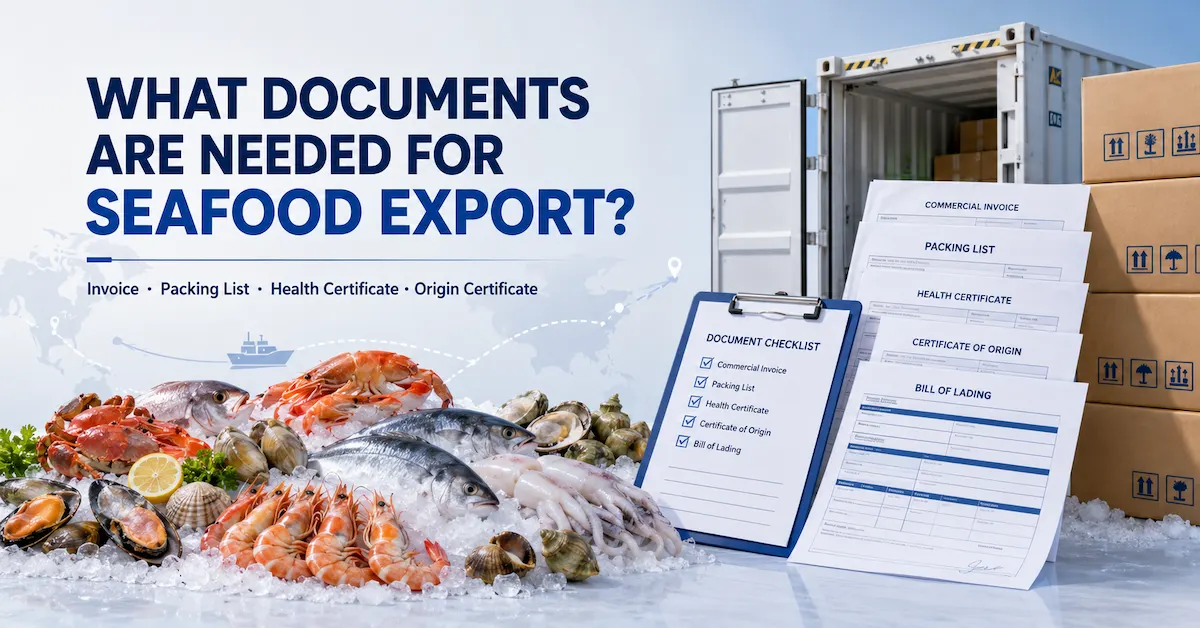
Requirements vary but commonly include invoices, packing lists, health certificates, and origin documents.
How can I request a quotation from Bothwin Food?
Provide your preferred tilapia size, quantity, packaging, destination, and product requirements.
Conclusion
Choosing the right size is one of the most important decisions when purchasing frozen tilapia for export.
The best size depends on the buyer’s market, customer requirements, processing method, and price target.
A reliable frozen tilapia supplier should provide accurate grading, stable quality, export packaging, cold-chain control, and professional sourcing support.
Bothwin Food helps global seafood buyers select suitable frozen tilapia specifications for different markets and applications.
Contact Bothwin Food with your tilapia size requirements to discuss export supply options.