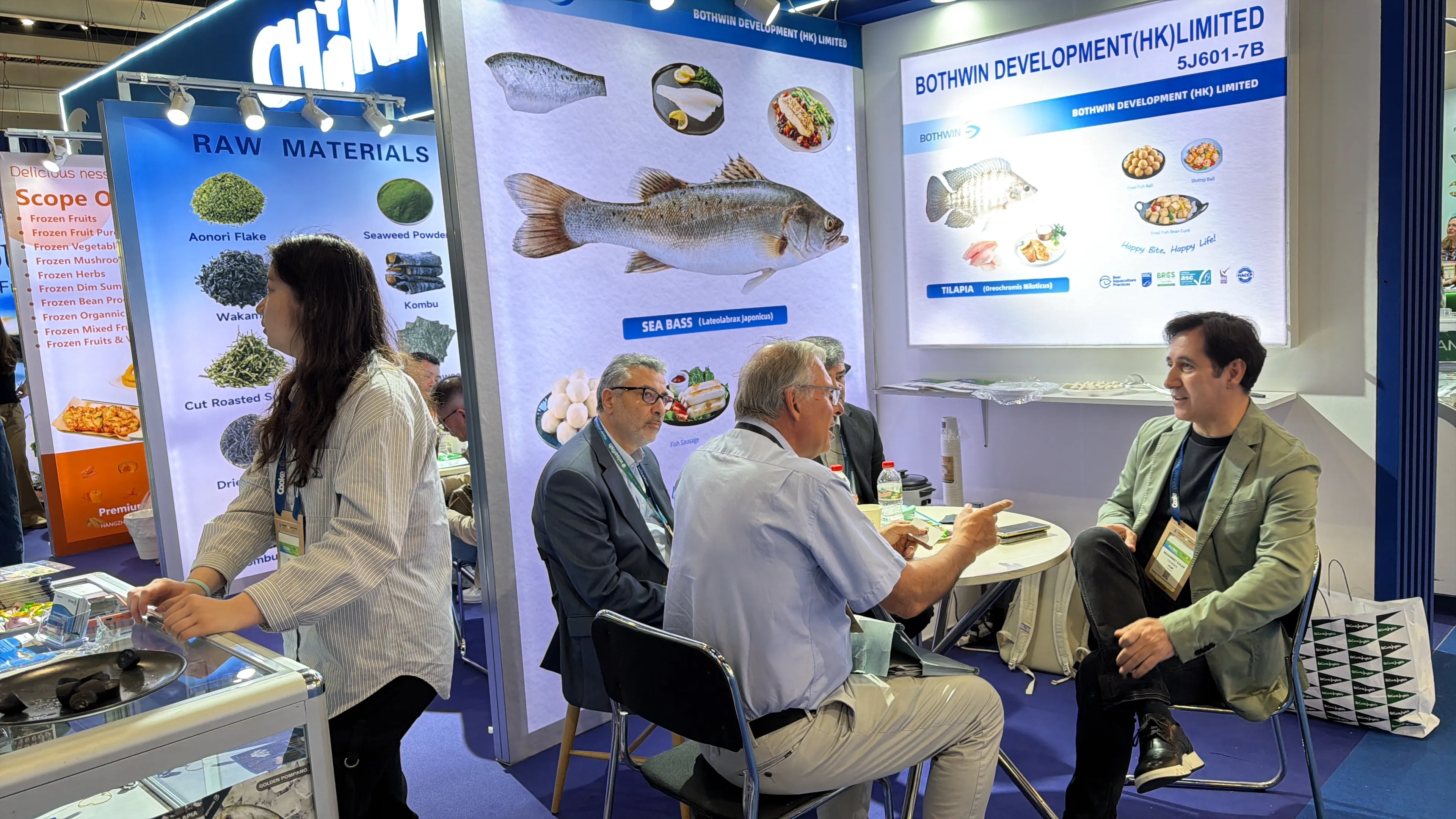


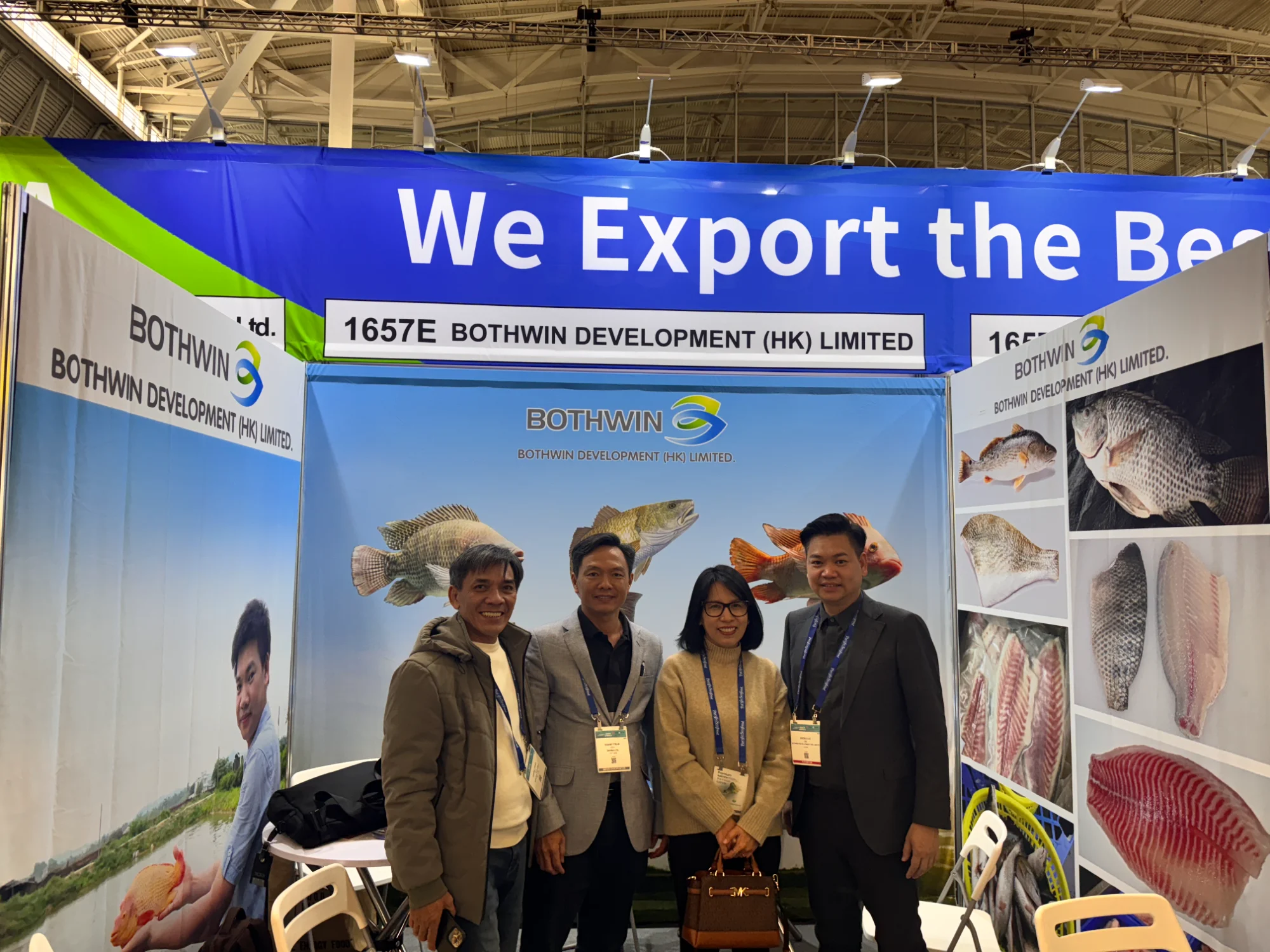
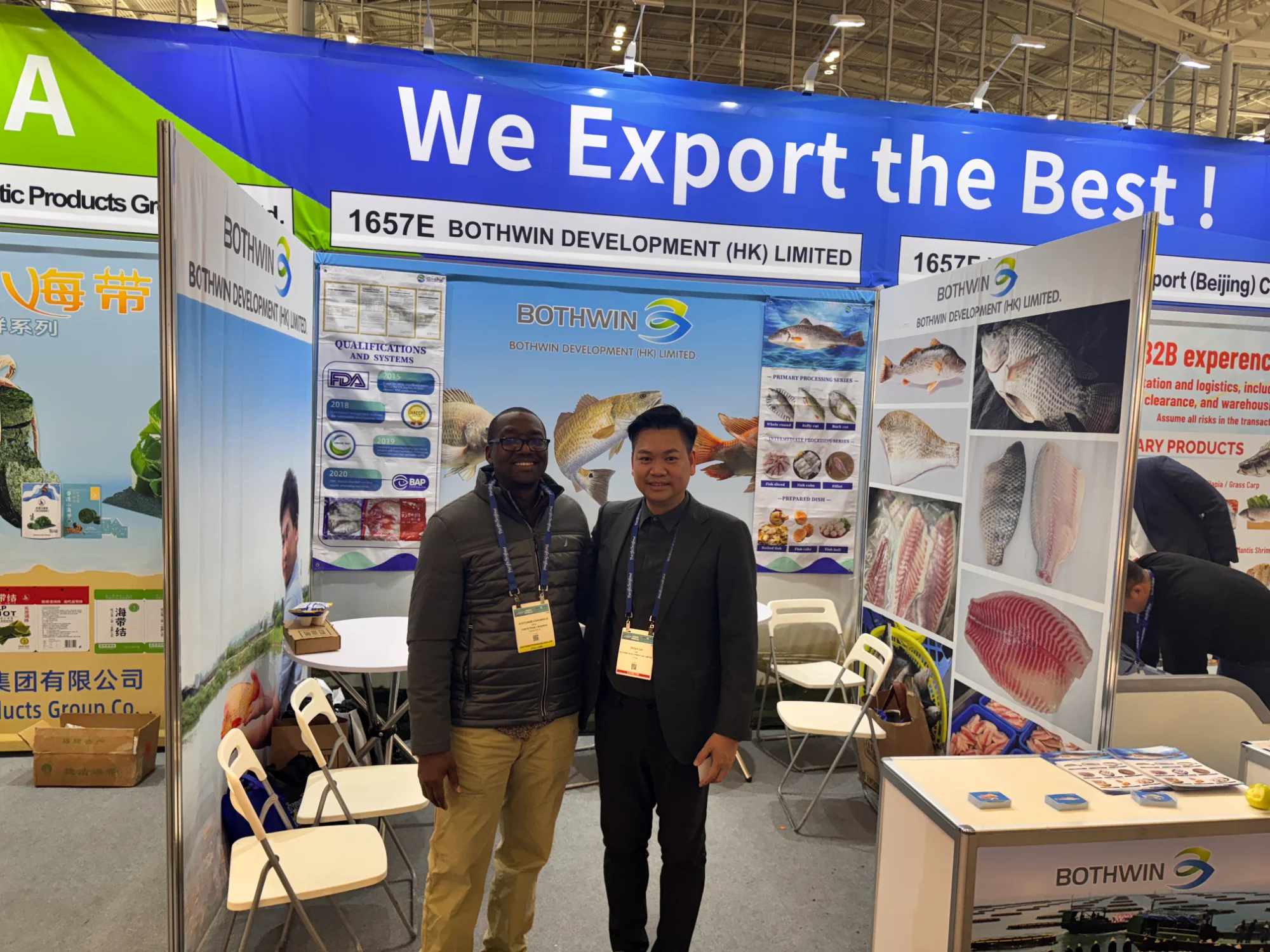
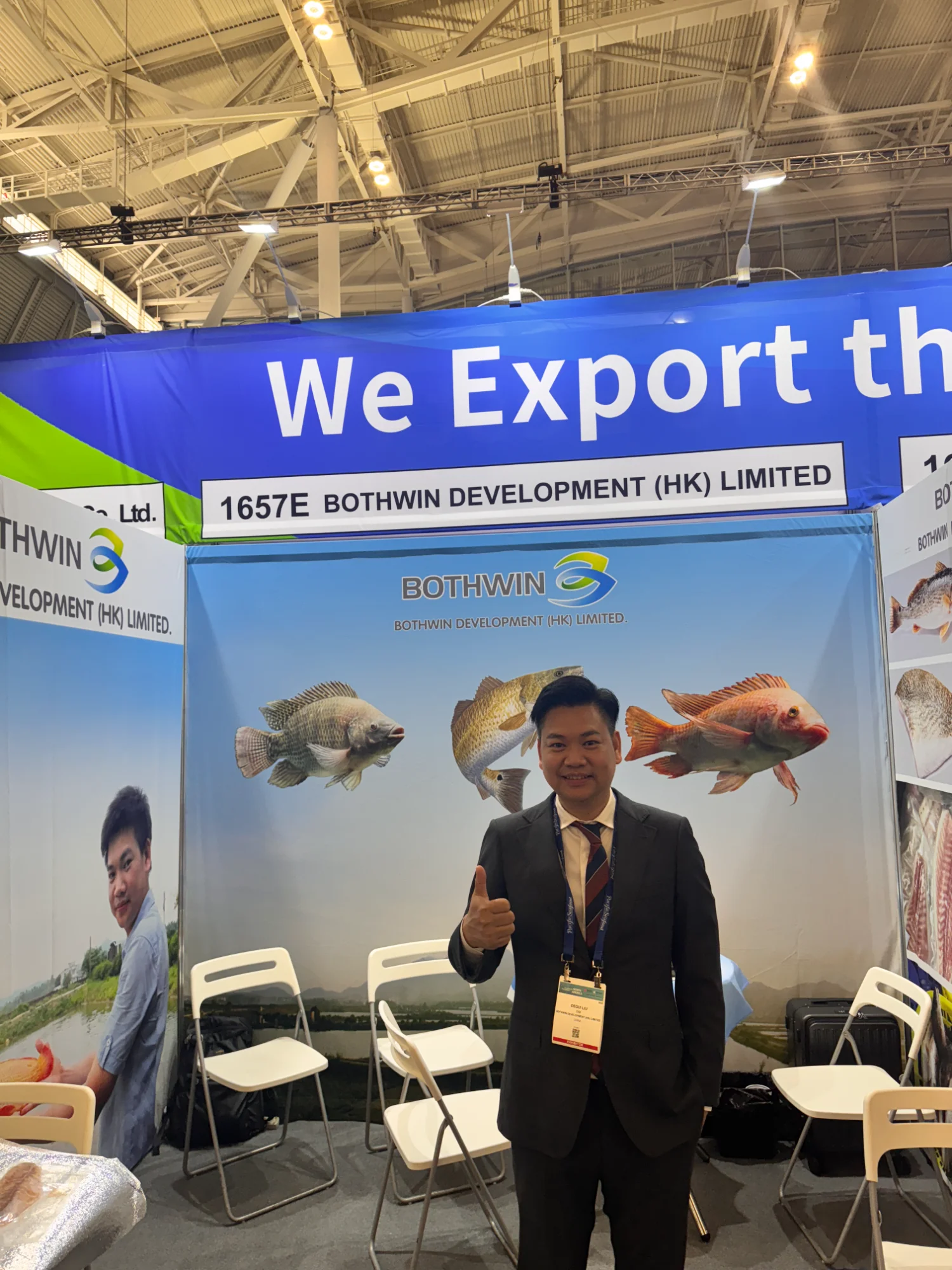
Why Seafood Expo North America Still Matters to Buyers, Suppliers, and Product Teams
Seafood Expo North America is one of those trade events that people in the seafood supply chain either already know well or hear about just often enough to keep it on the planning calendar. For sourcing managers, processors, equipment vendors, packaging suppliers, and private-label product teams, the show matters because it compresses a lot of buying reality into one place: product comparison, supplier screening, market signals, and a fast read on what competitors are bringing to market.
The value is not just the booths. It is the mix of species trends, processing capabilities, cold-chain expectations, packaging formats, and commercial conversations that happen in a very short window. If your role involves deciding which suppliers to trust, which products to launch, or what processing and handling capabilities your operation needs next, the show can help you make those decisions with more context and less guesswork.
That said, trade shows can also waste time if you walk them without a plan. The floor is busy, everyone has a pitch, and not every impressive display translates into reliable supply. The best approach is to treat the event as a structured buying tool, not a sightseeing trip.
What the Event Helps You Decide
For most attendees, the real question is not whether to attend. It is what decision the show will help them make. That may be a supplier shortlist, a packaging change, a new product concept, or a manufacturing upgrade. In seafood, those decisions tend to be tightly connected.
A buyer looking at frozen fillets, for example, may also need to think about glaze level consistency, portion control, carton durability, and the realities of shipping temperature swings. A product team exploring value-added seafood may need to understand not just flavor and format, but also whether the chosen processor can support scaling, labeling, and retail compliance. These are practical questions, and they are easier to ask face-to-face than over a few email exchanges.
That is one reason Seafood Expo North America remains relevant: it brings commercial and technical concerns into the same conversation.
Quick Reference: What to Look For on the Floor
If you are attending with limited time, focus on a few categories of information rather than trying to see everything.
First, examine product fit. Does the seafood offering align with your intended channel, whether retail, foodservice, or industrial use? Second, evaluate supply capability. Can the supplier support the volumes, seasonality, and documentation you need? Third, assess handling and presentation. Seafood is unforgiving; appearance, ice management, packaging, and traceability all affect downstream quality. Finally, compare communication style. A supplier that answers technical questions directly is usually easier to work with after the show than one that only sells from a brochure.
These are basic filters, but they save time. Too many teams come home with stacks of cards and no clear ranking. It is better to leave with three serious options than thirty vague ones.
Why Seafood Trade Shows Are Different from General Food Events
Seafood is a category where processing details matter more than surface appeal. The difference between a strong supplier and a risky one may not be obvious from a sample platter or a polished booth. You often have to ask about catch area, harvest timing, freezing method, portioning, moisture control, and how the product is protected through distribution. A good supplier can talk through those details without drifting into jargon.
General food events may give you broad trends, but seafood events tend to expose operational realities faster. For example, a processor might be able to deliver a consumer-ready format only if the cold chain stays intact from origin to final customer. A packaging vendor may need to show how their materials perform in wet, icy, or low-temperature conditions. Those are not side issues. They are the business.
Another difference is how quickly quality problems show up. In seafood, a weak handling plan can affect odor, texture, drip loss, and shelf presentation in ways that buyers will notice immediately. That makes the show useful for separating marketing language from process competence.
Supplier Evaluation: Questions Worth Asking
Walking up to a booth with a few sharp questions is usually more productive than asking for a generic product line sheet. The aim is not to interrogate people; it is to find out whether they understand the realities of commercial seafood supply.
Commercial and operational fit
Ask what channels they serve, how they manage seasonal supply, and whether they have experience supporting private label, institutional accounts, or retail-ready formats. If your business depends on continuity, then consistency matters as much as price.
Handling and quality controls
Ask how the product is processed, frozen, packed, and stored. If the supplier claims premium quality, ask what that means in practical terms. A buyer does not need marketing language; they need to know what protects the product between production and arrival.
Documentation and traceability
Documentation requirements can vary by market, but traceability is always a serious subject in seafood. Before you get too far down the road, understand what paperwork is available and how quickly the supplier can support requests from QA, import, or retail teams.
What Product Teams Should Pay Attention To
For product development teams, Seafood Expo North America is useful because it shows how far the category is moving beyond commodity thinking. Consumers still want familiar fish and shellfish, but they also expect convenience, clean labeling, and formats that fit busy kitchens. That pressure pushes suppliers to think differently about portion size, packaging, marinades, ready-to-cook options, and frozen presentations.
If you are developing a new seafood item, the show can help you test whether your idea is commercially realistic. Maybe the concept sounds strong on paper, but the available raw material is too variable. Or maybe the product is feasible, but the packaging cost pushes it into a price band your channel will not accept. Seeing those tradeoffs early is valuable.
One practical caution: do not confuse trend visibility with market demand. A busy booth or a novel product format can be persuasive, but the real question is whether the item can be sourced consistently, priced competitively, and sold through your target channel.
Common Mistakes Buyers Make at Seafood Expos
A common mistake is overvaluing presentation. Attractive displays help conversation, but they do not guarantee operational discipline. Another is failing to bring the right technical people. If your sourcing lead attends alone, important questions about specifications, food safety, packaging, or logistics may never get asked.
Teams also make the mistake of taking too many meetings without a defined scoring method. If every supplier gets the same polite interest, follow-up becomes messy and slow. A simple note system helps: product fit, supply fit, technical fit, and commercial fit. It does not have to be fancy. It just has to be consistent.
And one more buyer-facing warning: do not assume all seafood offerings at an expo are equally mature. Some are established export lines; others are early-stage concepts or region-specific products not yet ready for broader scale. Ask where the business truly sits before building plans around it.
How to Prepare Before Attending
Preparation changes the value of the trip more than people think. Start with a short list of what you need to solve. If the goal is supplier replacement, define the pain points in the current relationship. If the goal is new product exploration, define the target channel, desired price band, and format constraints. If the goal is equipment or packaging sourcing, bring current specs or performance issues so vendors can respond concretely.
It also helps to review your internal approval process before you go. Some teams return with strong options but then lose momentum because procurement, QA, and operations were never aligned on what counts as a qualified lead. A trade show works better when the decision framework already exists.
What the Show Signals About the Industry
Events like Seafood Expo North America often reflect broader industry pressure points. Supply chains remain sensitive to logistics costs, labor availability, and temperature control. At the same time, buyers want more transparency and better product quality. That combination pushes suppliers to be more disciplined about sourcing, processing, and presentation.
The expo also tends to show how seafood is balancing tradition and convenience. Classic species remain important, but value-added formats and packaging innovation keep growing in importance. For manufacturers and sourcing teams, that means the competitive field is no longer just about who can deliver fish. It is about who can deliver the right seafood, in the right form, with the right reliability.
FAQ: Practical Questions Buyers Often Ask
Is Seafood Expo North America only for seafood buyers?
No. It is also useful for packaging suppliers, machinery vendors, cold-chain providers, private-label developers, distributors, and QA or technical teams. Anyone connected to seafood commercialization can find relevant contacts and market signals.
What is the main benefit of attending in person?
The main benefit is faster due diligence. You can compare suppliers, ask technical questions, assess how they communicate, and gauge whether their product and service model fits your needs.
How should a first-time attendee approach the show?
Go in with a short objective list, schedule key meetings in advance, and leave time for unplanned conversations. Those unscheduled discussions often produce the best commercial insights, though they can also eat the whole day if you do not keep moving.
A Better Way to Use the Event After You Leave
The real work starts after the badge comes off. Sort leads quickly while the details are still fresh. Separate true prospects from nice conversations. Then compare the strongest options against your internal requirements: product quality, supply reliability, technical support, documentation, and commercial terms. The show gives you contact points; your team still has to do the qualification.
If you are using Seafood Expo North America as part of a sourcing or development cycle, treat it as one stage in a larger process. It is a fast way to narrow the field, but not a substitute for samples, audits, specification reviews, and commercial follow-up. That is the practical reality, and it is better to be honest about it upfront.
Next Step for Buyers and Product Teams
Before you attend, decide what success looks like. Is it a shortlist, a new supplier, a packaging solution, or a better understanding of where the category is heading? Once that objective is clear, the show becomes much more useful. If your team is planning attendance, build a meeting list early, bring the people who can ask technical questions, and leave room for the conversations you cannot schedule in advance. That is usually where the best commercial leads begin.