
Why Expo Antad & Alimentaria Mexico Matters for Seafood Buyers
Expo Antad & Alimentaria Mexico is not just another crowded hall of booths. For sourcing managers, foodservice buyers, importers, and category teams, it is the kind of show where a product display can tell you as much as a spec sheet. A seafood booth with strong species branding, such as red tilapia, signals more than a fish on a backdrop. It usually points to a supplier trying to win business on traceability of supply, consistency, and commercial readiness for wholesale or export channels.
That matters because seafood purchasing is rarely about a single sample. It is about whether the supplier can support repeat orders, fit a retail or foodservice program, and communicate clearly across markets. At Expo Antad & Alimentaria Mexico, the buyer is often making an early decision: is this an exhibitor worth a follow-up meeting, or just a visually polished stand with little behind it?
What a Booth Like This Is Really Selling
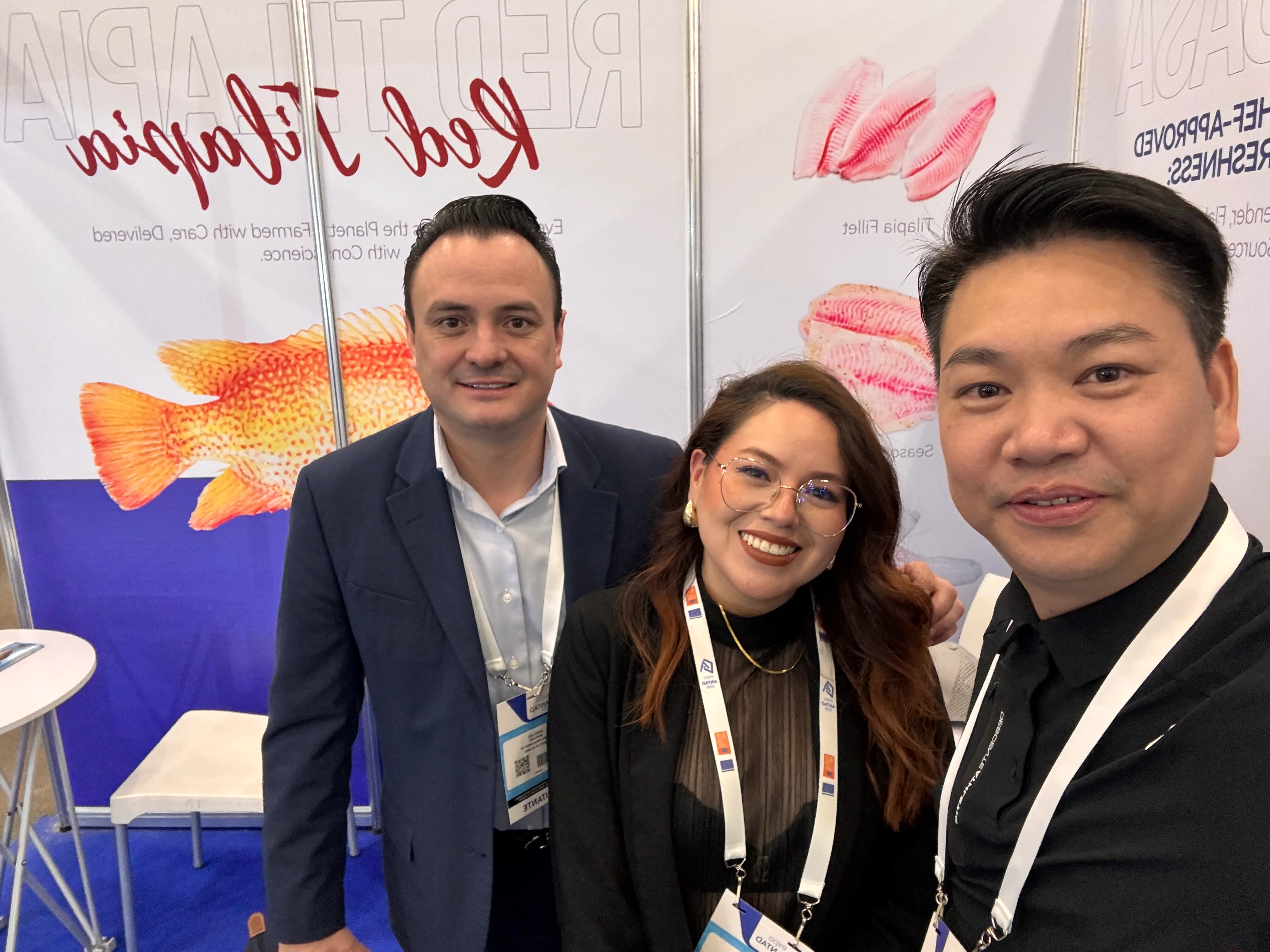
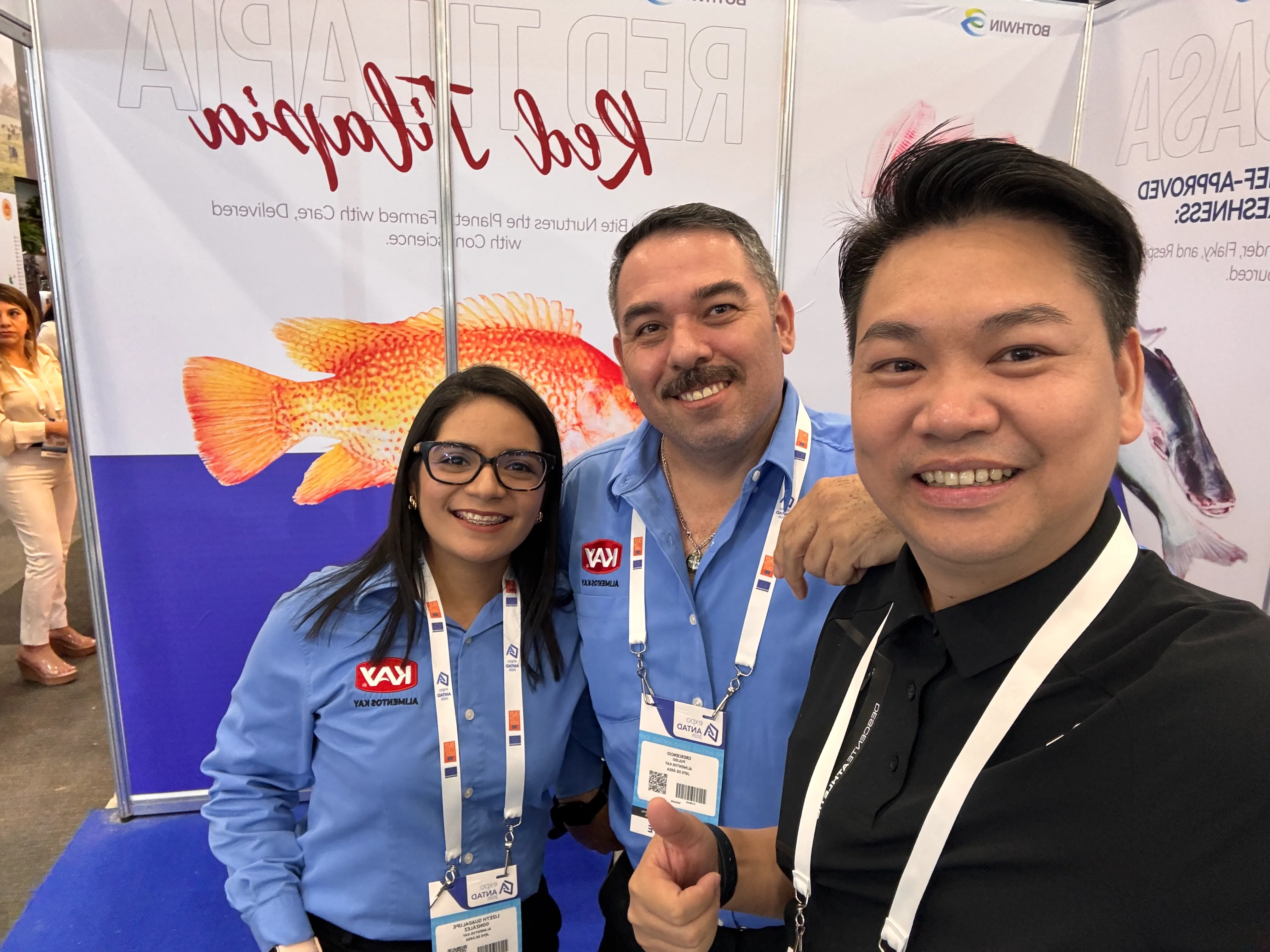
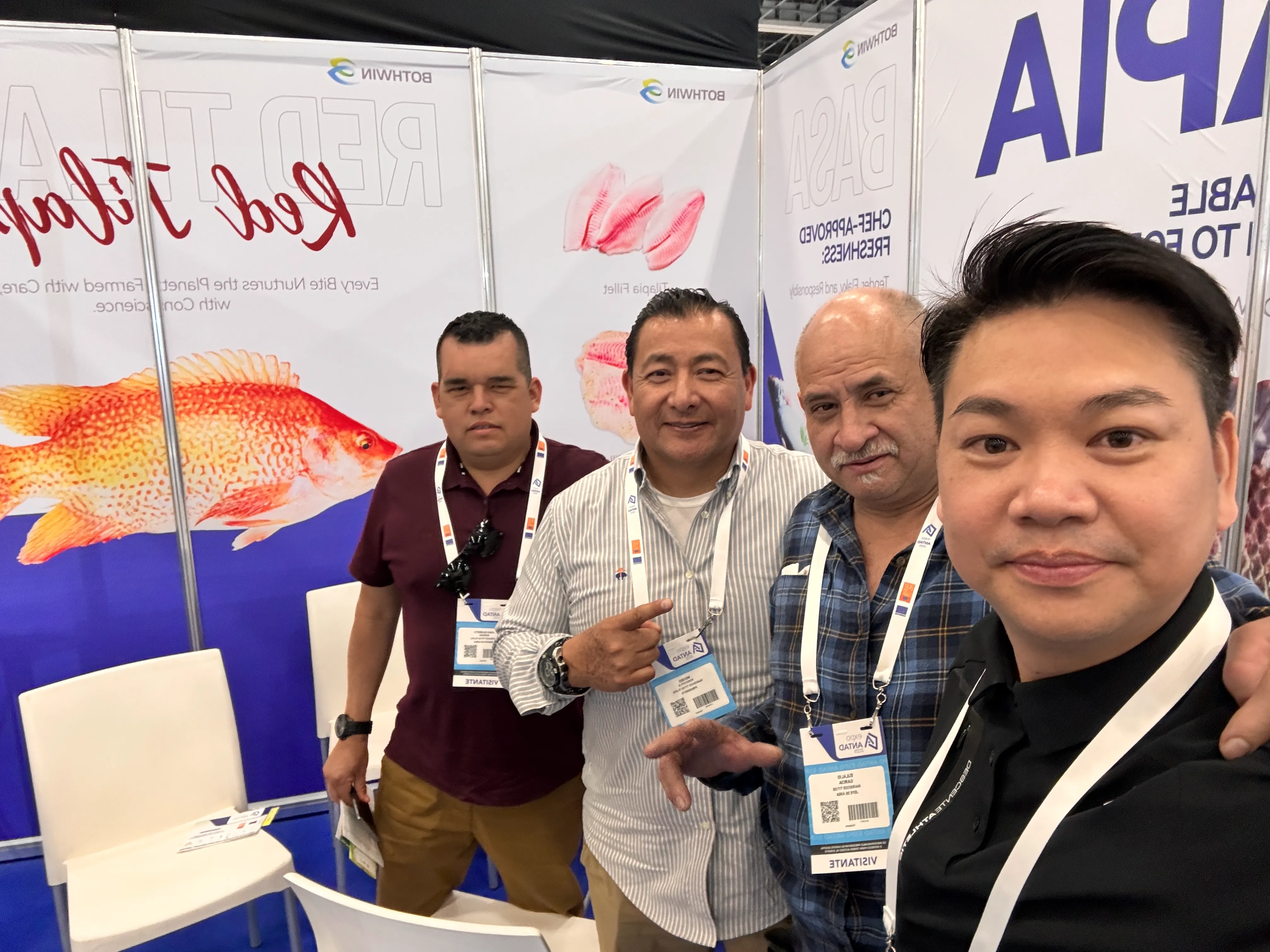
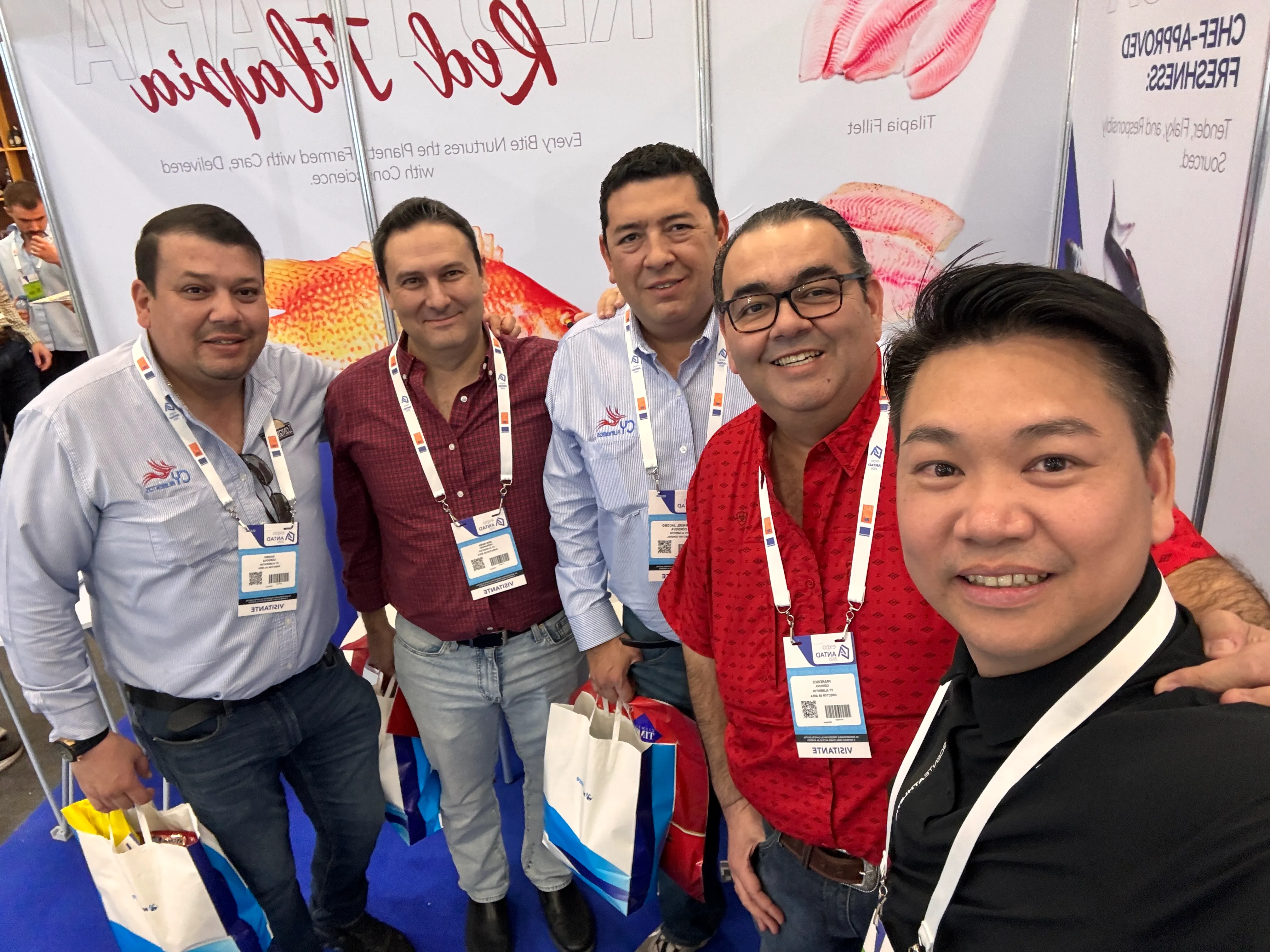
The booth imagery shown here centers on red tilapia, with large fish graphics and branding aimed at seafood business buyers. That is a practical move. In seafood, species recognition matters. Buyers want to know what they are looking at before they ever ask about processing, packaging, or freight. A booth that leads with the fish itself is usually trying to reduce confusion and speed up the first conversation.
From the visible display, the offering appears to sit somewhere in seafood processing, wholesale distribution, or export marketing. The exact details are not visible, and that caution is important. You can infer the commercial intent, but not the product form. It may be whole fish, processed fish, or a frozen program. It may serve foodservice kitchens, retail seafood departments, or importers building a broader distribution line. The booth tells you the supplier wants business. It does not yet tell you how the product is handled.
Red Tilapia as a Commodity and a Menu Item
Red tilapia has long had appeal in commercial seafood because it sits in a useful middle ground. It is recognizable, adaptable, and generally easy for chefs and buyers to work into everyday menus. In wholesale terms, that flexibility can be a strength. A fish that can support different markets is easier to place, especially when buyers are juggling price sensitivity, menu consistency, and customer expectations.
For foodservice, tilapia often works because it is approachable. For retail, it can be positioned as a familiar white-fish alternative with visual appeal. For import and export channels, the species can fit programs that need stable demand rather than a highly seasonal specialty. That said, the buyer still needs the basics: origin, processing format, cold-chain handling, and documentation. Without those, the fish is only a picture on a wall.
What Buyers Should Look for at the Show
A trade-show booth is an introduction, not a conclusion. When a seafood supplier displays a species-focused concept, buyers should use the first meeting to establish whether the company can actually support the channel it is targeting.
Ask about product form first
Fresh, frozen, whole, filleted, or value-added are not minor distinctions. They affect storage, logistics, yields, labor, and margin. A tilapia program for a hotel kitchen looks very different from one intended for a retail freezer case. If the booth does not make the format clear, that is the first question to ask.
Then ask about handling and chain of custody
Seafood buyers know that handling matters as much as species. Even when a supplier shows strong visual branding at Expo Antad & Alimentaria Mexico, the useful discussion is about how product integrity is protected across processing, storage, and transport. The booth may suggest export ambition, but the buyer still needs to hear how that supply chain is managed in practice.
Finally, check commercial fit
Not every tilapia supplier is a fit for every buyer. Some are better aligned with broadline foodservice, others with distributors, and others with private-label or wholesale programs. It is worth asking whether the company sells to importers, regional distributors, or end-user accounts. If the answer is vague, you may be dealing with a brand that is stronger in presentation than in distribution readiness.
Why Species-Focused Booth Design Works
From an industry perspective, the booth design is sensible. Seafood is a category where the visual cue can do a lot of work. A clear species image and a legible name help create trust quickly, especially in an international setting where buyers may be scanning dozens of stands in one day. The red/orange tilapia imagery on the backdrop does more than decorate the booth; it frames the commercial story.
This kind of display also helps exhibitors speak to multiple audiences at once. A distributor sees the product category. A chef sees menu potential. An importer sees a possible sourcing line. A retail buyer sees a shelfable species story. That broad appeal is useful, though it can also be a little too broad if the supplier cannot back it up with details. A polished booth can open the door, but commercial proof still closes the deal.
Common Mistakes Buyers Make at Seafood Trade Shows
One common mistake is treating booth appearance as a proxy for operational strength. Good graphics and a clean stand are helpful, but they do not confirm volume capacity, export experience, or product consistency. Another mistake is failing to pin down the product specification while the exhibitor is still in front of you. Buyers often leave a booth with a brochure and a vague memory, then have to re-open the conversation later to retrieve basics they should have recorded on the spot.
There is also a tendency to over-assume freshness, frozen status, or certification when the booth does not explicitly state those details. That is risky. In seafood procurement, ambiguity has a cost. It can affect import clearance, customer approval, and even the credibility of your internal sourcing note. If the booth only clearly confirms red tilapia and a seafood business focus, treat everything else as unverified until documented.
How Expo Antad & Alimentaria Mexico Fits into Sourcing Strategy
For buyers building a sourcing pipeline, a show like this is valuable because it compresses discovery. Instead of chasing suppliers one by one, you can compare their market positioning, species focus, and commercial language side by side. That makes it easier to separate a serious seafood exporter from a local exhibitor testing the waters.
Expo Antad & Alimentaria Mexico is especially useful when the buyer needs alternatives. If a current supplier becomes tight on supply, price, or service, a trade show provides a chance to map backup options before there is a problem. Red tilapia may be the lead species on one booth, but the real value is in understanding whether that supplier can support a broader seafood program or only a narrow niche.
Practical Buyer Takeaways from This Booth
If you are evaluating a red tilapia exhibitor at Expo Antad & Alimentaria Mexico, the short version is this: the booth suggests a supplier with export or wholesale ambitions and a clear species story. That is a useful starting point. It is not enough to approve a source, but it is enough to justify a conversation.
Use the booth to answer four questions quickly: what form is the product sold in, what markets does the supplier serve, how is the seafood handled, and what documents or commercial terms can they actually provide after the show. Those questions separate a marketing display from a viable supply partner.
And if the answers stay loose, move on without regret. Trade shows reward selective attention. The exhibitors worth keeping are usually the ones who can move from branding to business without a lot of improvisation.
Next Step for Buyers
If red tilapia is on your sourcing list, or if you are comparing seafood suppliers for foodservice, retail, or distribution channels, use Expo Antad & Alimentaria Mexico as a qualification point, not just a networking event. Ask for product sheets, handling details, and company introductions that can be checked after the show. A supplier that is serious about seafood business will expect those questions.
For procurement teams, that is the real value of walking a booth like this: it helps narrow the field before the paperwork begins. The display gets attention. The follow-up decides whether the supplier belongs on your shortlist.