

blog
Understanding Global Seafood Export Standards & Certifications

Understanding Global Seafood Export Standards & Certifications

blog avatar
Release time
Jan 12 2026
  • Export Standards & Certifications

Follow us

understanding-global-seafood-export-standards-certifications

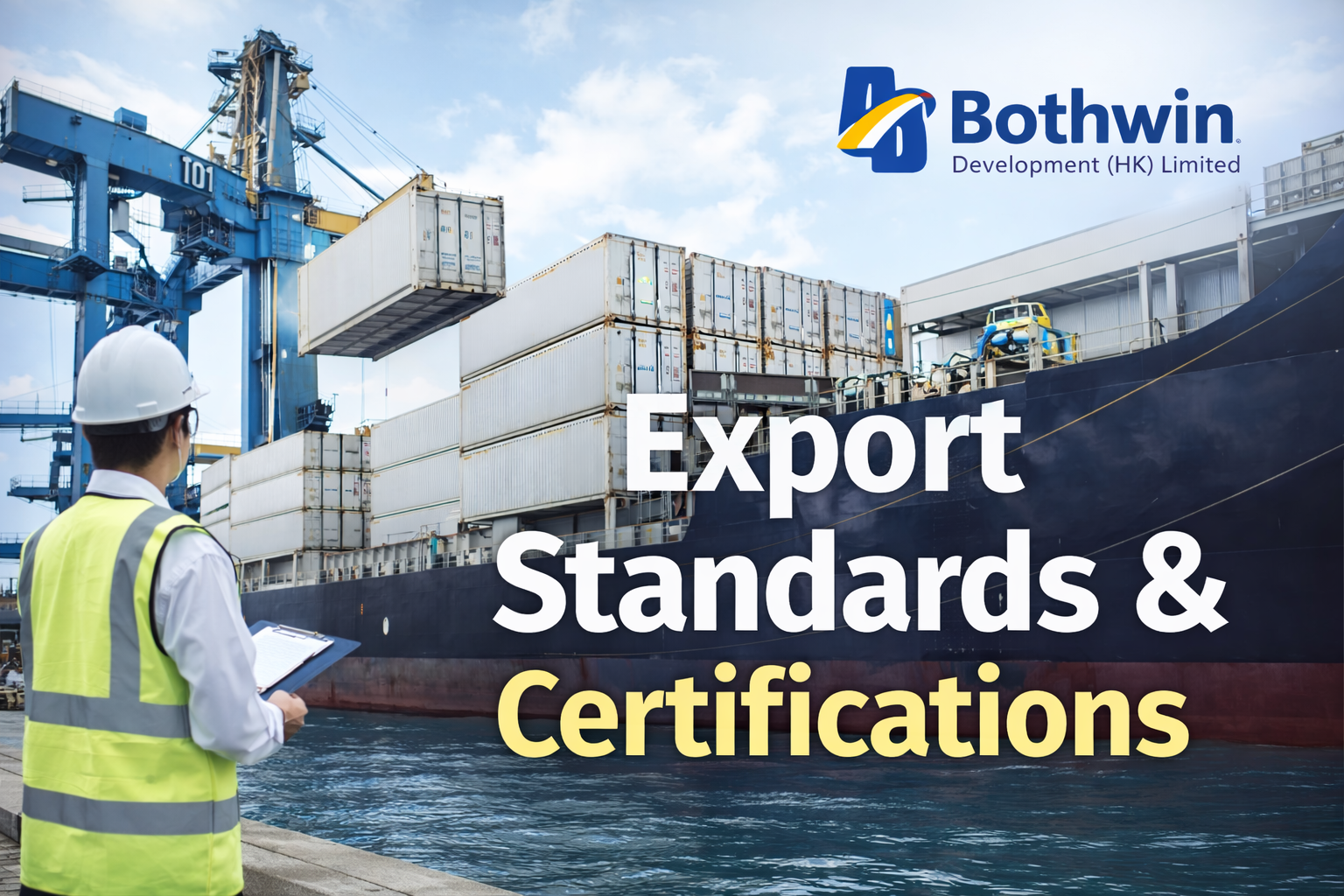
Global seafood exports are governed by strict regulations designed to ensure food safety and consumer protection. For importers, understanding export standards and certifications is essential to avoid delays, rejections, or legal risks. Working with an experienced exporter like Bothwin can significantly simplify this process.

International seafood trade commonly follows HACCP-based food safety systems, hygiene management protocols, and detailed documentation requirements. These standards focus on risk prevention throughout processing, storage, and transportation.

Different markets apply different regulatory priorities. European buyers emphasize traceability and sustainability, while the U.S. market focuses on food safety compliance and import documentation. Other regions may require specific labeling or inspection procedures.

Bothwin structures its export operations to align with these international standards. From production records to shipment documentation, every step is managed to support buyer compliance. This systematic approach helps importers, wholesalers, and distributors reduce regulatory risks and improve supply chain reliability.

By choosing a seafood exporter that understands global standards and certification requirements, buyers can focus on market development while maintaining confidence in product safety and legality.
Featured Blogs
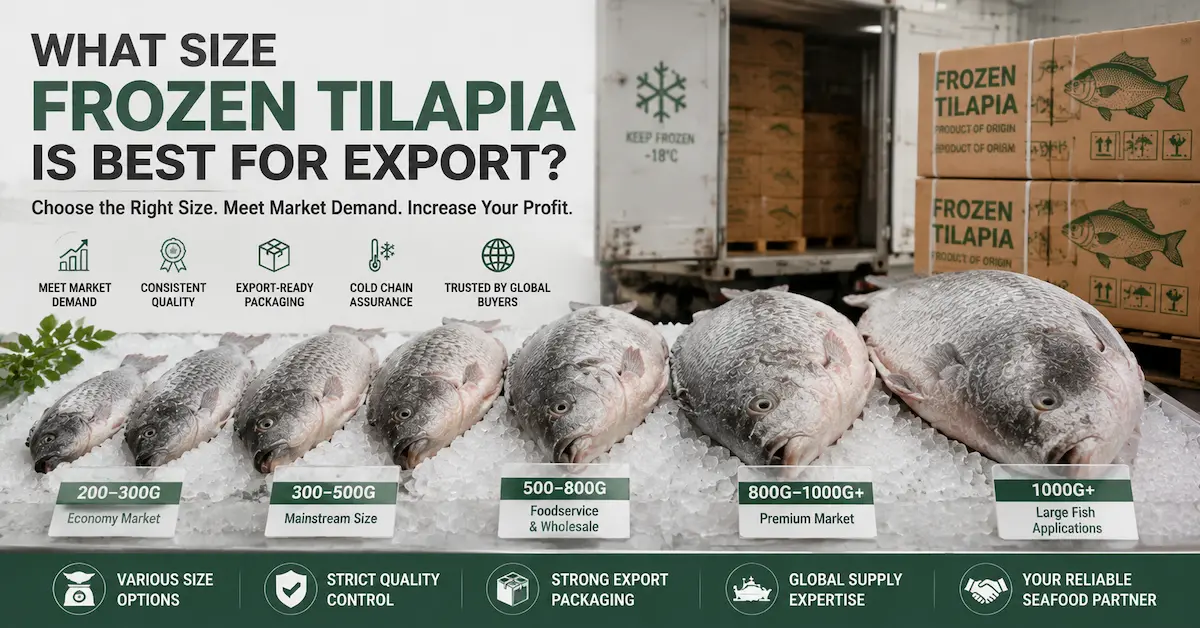
What Size Frozen Tilapia Is Best for Export? A Complete Buyer’s Guide

What Size Frozen Tilapia Is Best for Export? A Complete Buyer’s Guide

This guide explains what size frozen tilapia is best for export and how global seafood buyers choose tilapia grades for wholesalers, restaurants, supermarkets, and processors. It covers weight ranges, market applications, pricing factors, packaging, quality standards, and supplier selection.

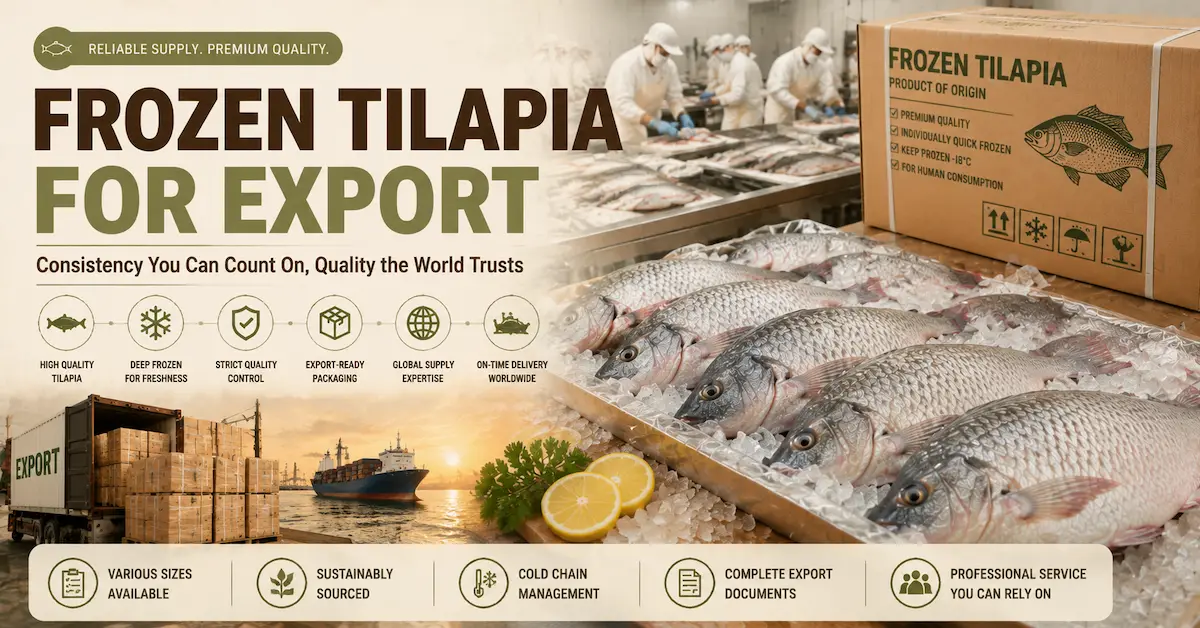
Frozen Tilapia for Export: A Complete Guide for Global Seafood Buyers

Frozen Tilapia for Export: A Complete Guide for Global Seafood Buyers

This guide explains how global importers, wholesalers, distributors, supermarkets, restaurants, and food processors source frozen tilapia for export. It covers export product formats, size grading, packaging, cold-chain requirements, documentation, quality inspection, pricing factors, and supplier evaluation.

Export Frozen Fish Supplier: A Complete Guide for Global Seafood Buyers

Export Frozen Fish Supplier: A Complete Guide for Global Seafood Buyers

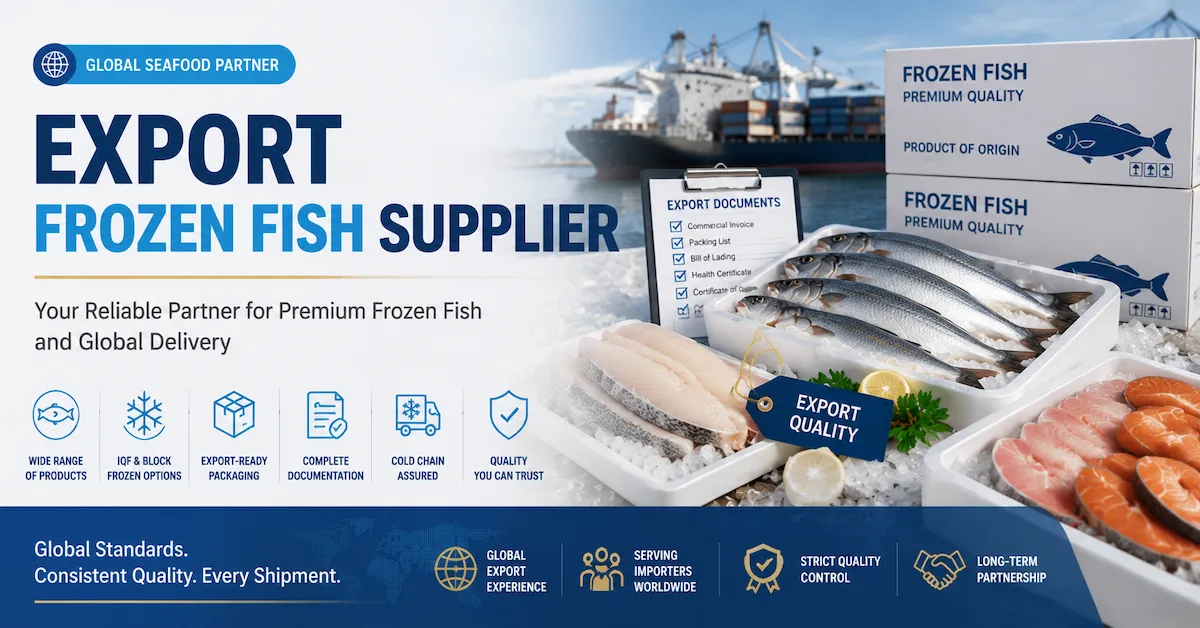
This guide explains how importers, distributors, wholesalers, supermarkets, restaurants, and food processors can choose a reliable export frozen fish supplier. It covers exported fish categories, supplier evaluation, quality standards, packaging, cold-chain management, export documents, pricing factors, and international sourcing requirements.

How to Reduce Risks in Frozen Seafood Import: A Practical Guide for Global Buyers

How to Reduce Risks in Frozen Seafood Import: A Practical Guide for Global Buyers

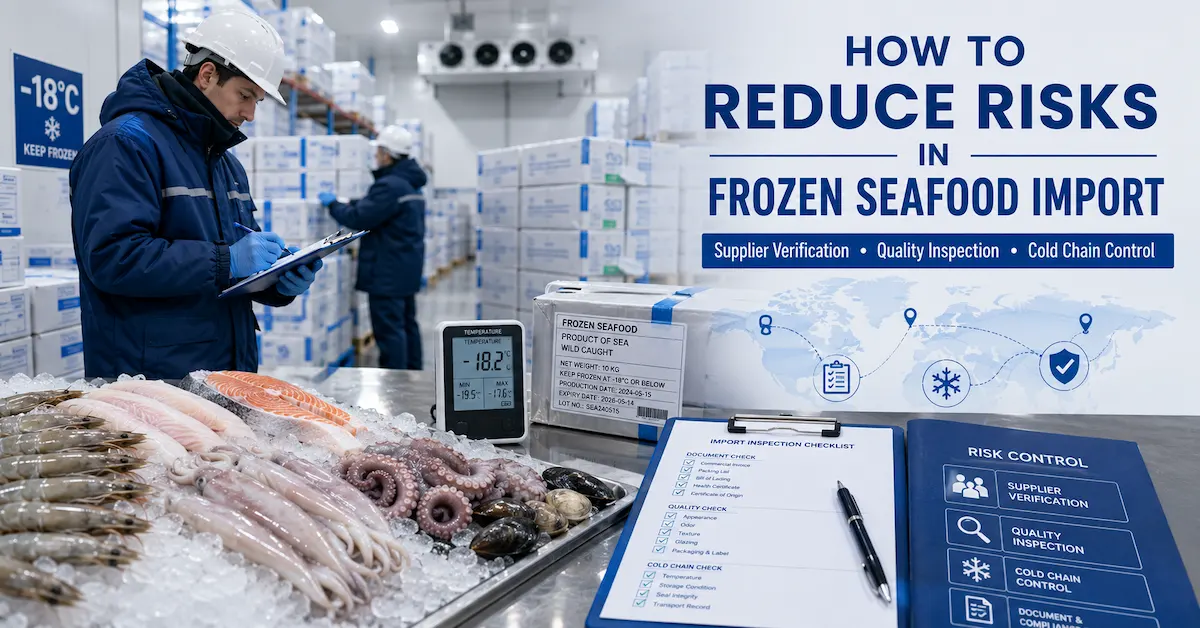
This guide explains how importers, distributors, wholesalers, supermarkets, restaurants, and food processors can reduce risks in frozen seafood import. It covers supplier verification, product specifications, sample testing, cold-chain control, export documents, packaging, payment terms, inspections, and contingency planning.

What Documents Are Needed for Seafood Export? A Practical Guide for Global Buyers

What Documents Are Needed for Seafood Export? A Practical Guide for Global Buyers

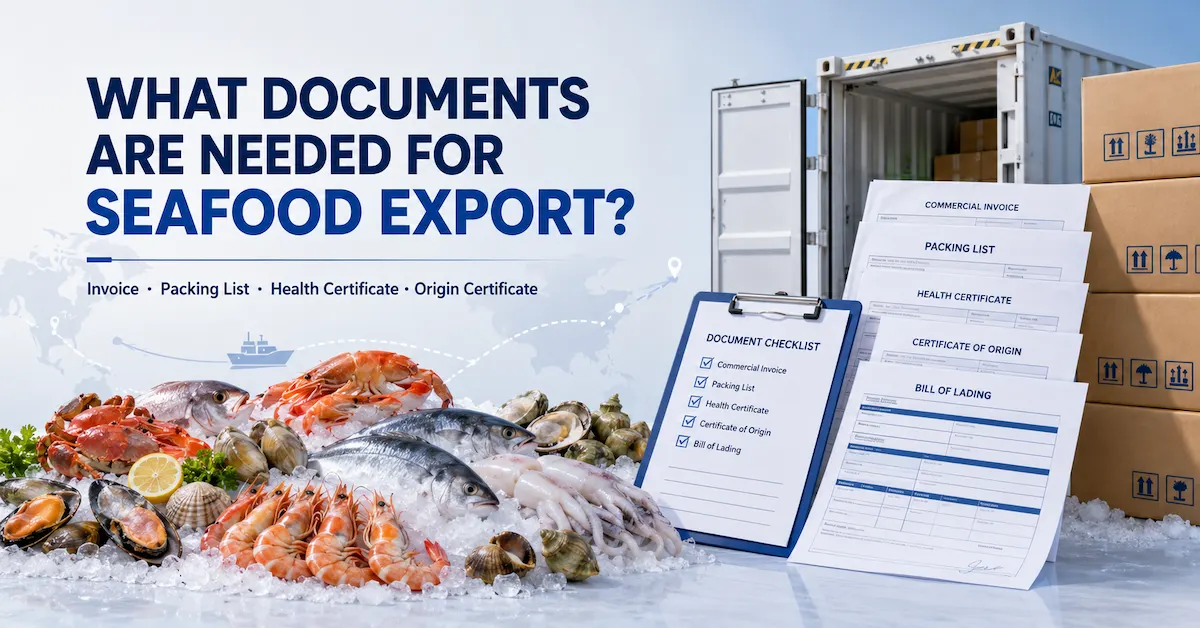
This guide explains what documents are needed for seafood export, including commercial invoices, packing lists, bills of lading, health certificates, certificates of origin, catch certificates, product specifications, and cold-chain records. It helps importers, distributors, wholesalers, supermarkets, and food processors prepare safer and more efficient seafood shipments.

How to Import Frozen Seafood Safely: A B2B Guide for Global Buyers

How to Import Frozen Seafood Safely: A B2B Guide for Global Buyers

This guide explains how importers, distributors, supermarkets, restaurants, and food processors can import frozen seafood safely. It covers supplier selection, HACCP awareness, cold-chain control, product specifications, documentation, packaging, sample testing, import risks, and inquiry tips for safer bulk seafood sourcing.