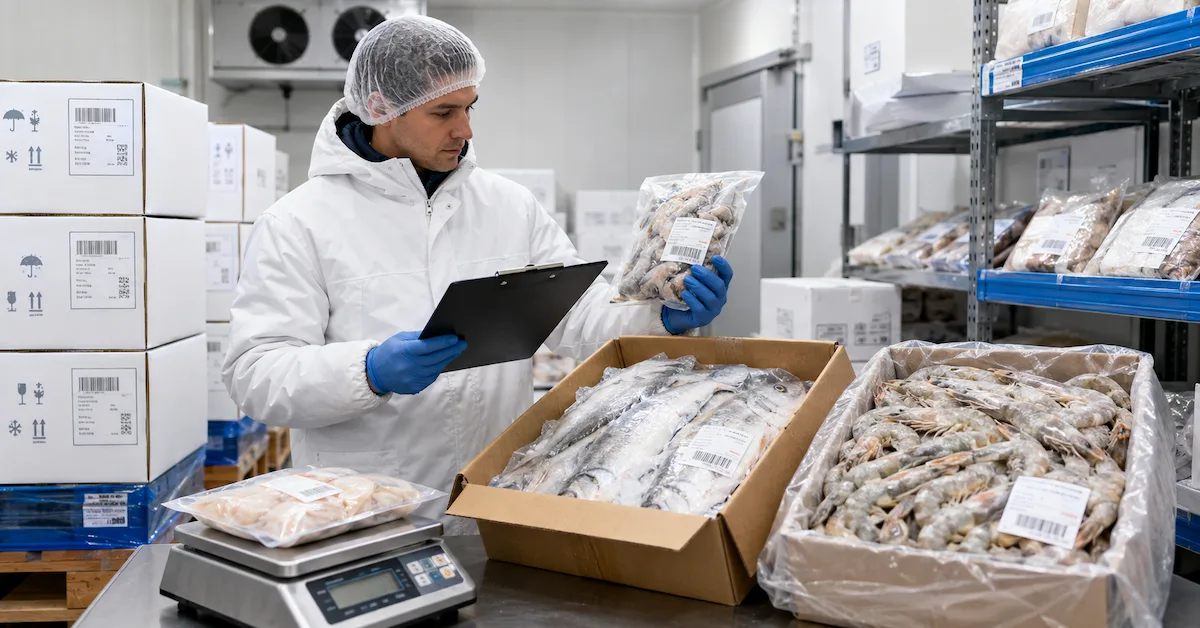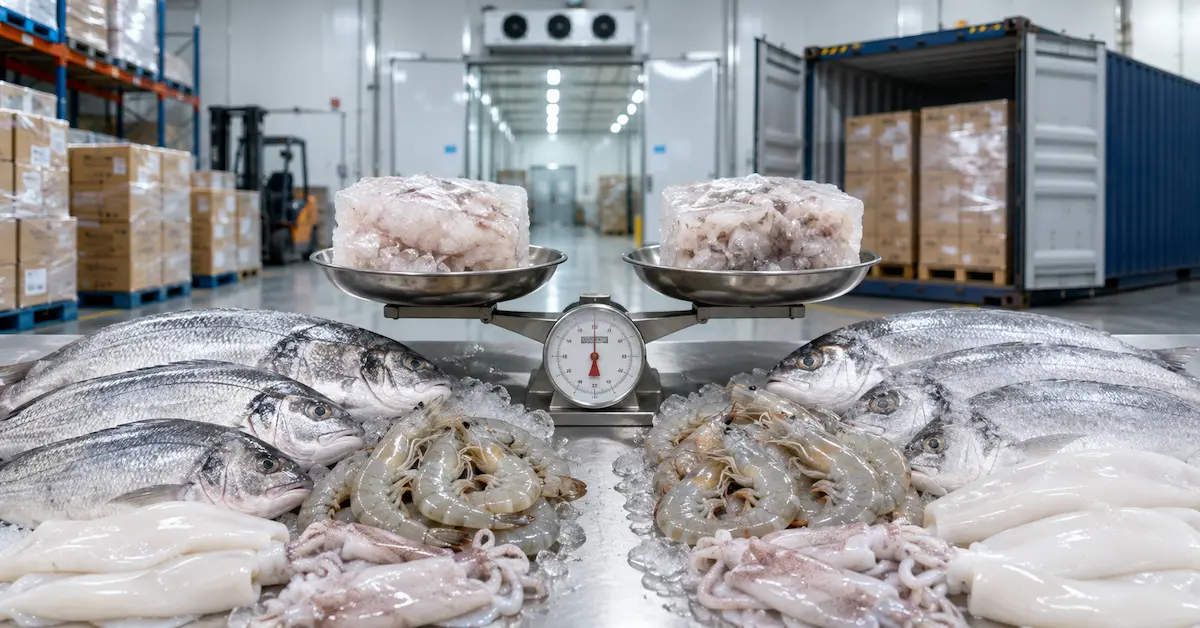


2026년에 신뢰할 수 있는 냉동 참치 수출업체가 되기 위해서는 무엇이 필요할까요?
신뢰할 수 있는 냉동 참치 수출업체를 선택하는 것은 국제 해산물 구매자에게 중요한 결정입니다. 수입업체, 도매업체, 유통업체, 식품 서비스 회사 및 해산물 가공업체의 경우 적합한 공급업체는 경쟁력 있는 가격 이상의 서비스를 제공해야 합니다.
전문 냉동 참치 수출업체는 다음을 관리할 수 있는 능력을 갖추어야 합니다.
- 일관적인 참치 소싱
- 제품 사양 관리
- 처리 요구사항
- 냉동 기술
- 포장 내보내기
- 콜드체인 관리
- 문서 지원
- 반복 주문 일관성
세계 냉동 참치 시장에는 다양한 구매자 요구 사항이 있습니다. 해산물 수입업자는 안정적인 용기 공급과 수출 문서화에 집중할 수 있는 반면, 레스토랑 유통업자는 부분의 일관성, 외관 및 준비 편의성을 우선시할 수 있습니다.
따라서 공급업체 선택은 킬로그램당 가격만을 기준으로 해서는 안 됩니다. 구매자는 공급업체가 통제된 국제 배송 조건 하에서 필요한 제품 사양을 지속적으로 제공할 수 있는지 평가해야 합니다.
Bothwin Development (HK) Limited는 냉동 해산물 솔루션은 해산물 수입업체, 도매업체, 유통업체, 식품 서비스 회사, 해산물 가공업체 등 전 세계 B2B 고객을 위한 것입니다.
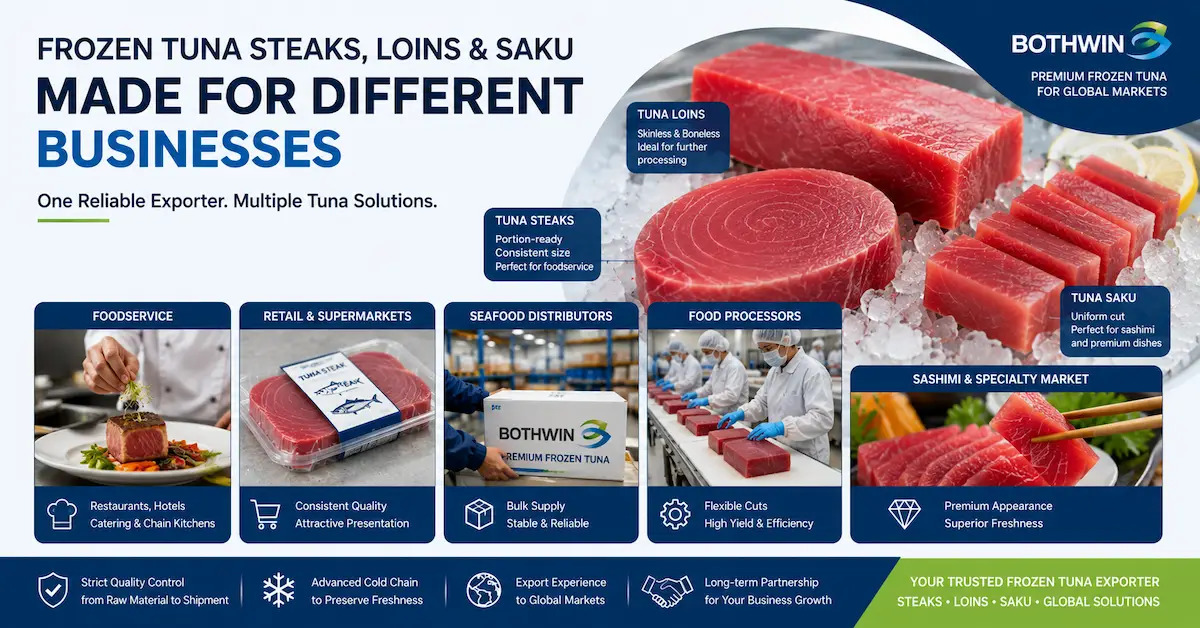
이 회사는 통참치, 참치 허리살, 참치 스테이크, 사쿠 제품 등 다양한 냉동 참치 형식을 맞춤 가공 및 수출 포장 옵션과 함께 공급합니다.
구매자는 프리미엄 냉동 참치 제품 페이지를 검토하여 사용 가능한 참치 사양 및 소싱을 이해할 수 있습니다. 옵션을 선택하세요.
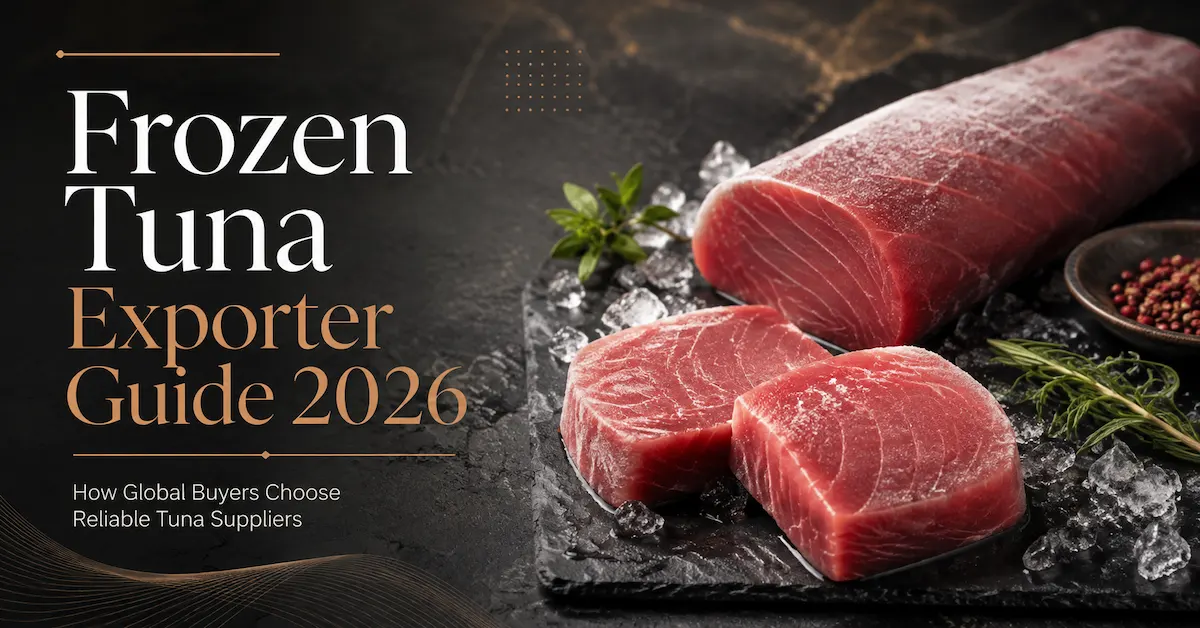
글로벌 바이어가 냉동 참치를 수입하는 이유
냉동 참치는 공급 안정성, 유연한 가공 옵션, 더 긴 유통 능력을 제공하기 때문에 국제 해산물 무역에서 중요한 제품 카테고리가 되었습니다.
신선한 해산물 공급에 비해 냉동 참치는 구매자가 다양한 시장과 계절에 걸쳐 재고 계획을 유지할 수 있습니다.
주요 상업적 이점은 다음과 같습니다.
해외 유통을 위한 안정적인 공급
수산물 수입업자는 연중 내내 안정적인 공급이 필요한 경우가 많습니다.
냉동 참치는 다음을 제공하여 구매자가 단기 가용성에 대한 의존도를 줄이는 데 도움이 됩니다.
- 더 길어진 저장 용량
- 예측 가능한 재고 관리
- 유연한 배송 계획
- 더욱 간편한 해외 배포
이는 여러 고객에게 서비스를 제공하는 도매업체 및 유통업체에게 특히 중요합니다.
유연한 제품 형식
냉동 참치는 구매자 시장에 따라 다양한 상업적 형태로 공급될 수 있습니다.
일반적인 형식은 다음과 같습니다.
- 냉동 참치 통째
- 참치 허리
- 참치 스테이크
- 참치 사쿠 블록
- 맞춤 설정 부분
다른 형식은 다른 애플리케이션을 지원합니다.
예:
- 가공업체는 참치 허리살을 선호할 수 있습니다
- 레스토랑에서는 참치 스테이크를 선호할 수 있습니다
- 전문 식품 서비스 구매자는 사쿠 블록이 필요할 수 있습니다
- 대형 해산물 사업자는 참치를 통째로 구매할 수 있습니다
구매자는 Bothwin의 냉동 해산물 제품군.
여러 해산물 애플리케이션에 적합
냉동 참치는 다음 분야에서 널리 사용됩니다.
- 해산물 수입업체
- 도매 유통업체
- 슈퍼마켓
- 음식점
- 호텔
- 케이터링 회사
- 해산물 가공업체
- 냉동식품 브랜드
올바른 제품 선택은 최종 판매 채널과 고객 요구 사항에 따라 달라집니다.
보통 누가 냉동 참치 수출업체로부터 구매하나요?
전문 냉동 참치 수출업자는 국제 구매자의 다양한 기대치를 이해해야 합니다.
다양한 고객 그룹이 다양한 구매 우선순위에 따라 공급업체를 평가합니다.
수산물 수입업체
수산물 수입업체는 일반적으로 컨테이너 수량을 구매하고 다음에 중점을 둡니다.
- 안정적인 공급 능력
- 내보내기 경험
- 제품 일관성
- 문서 준비
- 배송 조정
- 규정 준수 요구사항
수입업체의 경우 반복 배송 전반에 걸쳐 동일한 사양을 유지하는 공급업체의 능력이 일회성 저가 견적보다 더 가치 있는 경우가 많습니다.
수산물 도매업체 및 유통업체
도매업체에는 다양한 고객에게 효율적으로 배포할 수 있는 제품이 필요합니다.
주요 관심사는 다음과 같습니다.
- 경쟁력 있는 착륙 비용
- 안정적인 크기 조정
- 포장 효율성
- 제품 가용성
- 고객 수요 매칭
냉동 참치 수출업체는 도매업체가 목표 시장에 따라 올바른 제품 형식을 선택할 수 있도록 도와야 합니다.
음식점 및 식품 서비스 회사
식품 서비스 구매자는 주로 다음 사항에 중점을 둡니다.
- 부분 무게
- 스테이크 두께
- 외모
- 요리 성능
- 준비 효율성
요식업체 및 케이터링 업체의 경우 제품 일관성은 메뉴 품질과 운영 효율성에 직접적인 영향을 미칩니다.
수산물 가공업체
가공업체에서는 추가 생산을 위한 원료로 냉동 참치를 사용할 수 있습니다.
일반적인 애플리케이션은 다음과 같습니다.
- 부분 자르기
- 즉석 조리 가능한 해산물
- 절인 제품
- 포장 해산물
이러한 구매자는 일반적으로 다음을 평가합니다.
- 처리 수율
- 원재료 일관성
- 자르기 요구사항
- 생산 효율성
냉동 참치 제품 형태 이해
올바른 참치 형식을 선택하는 것은 냉동 참치 수출업체로부터 조달할 때 가장 중요한 결정 중 하나입니다.
최고의 제품 형태는 다음에 따라 달라집니다.
- 판매 채널
- 처리 능력
- 고객 요구사항
- 저장 조건
- 인력 가용성
냉동 참치 등심
냉동 참치 허리살은 추가 가공에 유연성을 제공하기 때문에 전문 해산물 구매자가 널리 사용합니다.
주요 장점은 다음과 같습니다.
- 더 쉬운 부분 맞춤설정
- 준비 작업 감소
- 효율적인 처리
- 최종 제품 크기에 대한 더 나은 제어
일반적인 구매자:
- 해산물 가공업체
- 식품 제조업체
- 배포자
- 식품 서비스 공급업체
중요 사양은 다음과 같습니다.
- 허리 사이즈
- 트리밍 수준
- 피부 상태
- 뼈 요구 사항
- 패키징 형식
참치 형식을 비교하는 구매자를 위해 Bothwin은 프리미엄 냉동 참치 제품을 통해 다양한 참치 제품 솔루션을 제공합니다. 범위.
냉동 참치 스테이크
냉동 참치 스테이크는 일반적으로 레스토랑, 호텔, 케이터링 회사 및 식품 서비스 유통업체에서 선택합니다.
가장 중요한 구매 요소는 다음과 같습니다.
- 부분 무게
- 스테이크 두께
- 절단 일관성
- 외관
- 패키지 형식
일관적인 참치 스테이크 사양은 식품 서비스 구매자가 다음을 달성하는 데 도움이 됩니다.
- 표준화된 메뉴 부분
- 예측 가능한 요리 결과
- 더 쉬워진 재고 관리
- 준비 노동력 감소
참치 사쿠 블록
참치 사쿠 블록은 보다 균일한 직사각형 부분을 원하는 구매자를 위해 설계되었습니다.
일반적으로 다음과 같은 애플리케이션에 사용됩니다.
- 외관이 중요합니다
- 부분 절단에는 일관성이 필요함
- 전문적인 준비가 필요합니다
구매자는 다음 사항을 확인해야 합니다.
- 크기
- 트리밍 요구사항
- 동결 방법
- 포장 보호
주문하기 전에.
통 냉동 참치
통냉동 참치는 자체 가공 능력으로 구매자에게 최대의 유연성을 제공합니다.
장점은 다음과 같습니다.
- 유연한 다운스트림 처리
- 대량 구매 옵션
- 맞춤설정 기회
그러나 구매자는 다음 사항을 고려해야 합니다.
- 처리 장비
- 인력 요건
- 수익률 계산
- 저장 용량
통어 참치는 자체 절단 및 분할 과정을 제어하는 것을 선호하는 대규모 해산물 운영에 적합할 수 있습니다.
구매자는 냉동 참치 품질을 어떻게 평가해야 합니까?
전문 냉동 참치 수출업체는 '최고 품질'과 같은 일반적인 설명보다는 측정 가능한 제품 사양을 제공해야 합니다.
구매자는 다양한 관점에서 품질을 평가해야 합니다.
원자재 관리
중요한 고려 사항은 다음과 같습니다.
- 참치 종 식별
- 원자재 상태
- 정지 전 처리
- 필요한 경우 제품 원산지 정보
좋은 원자재 관리는 일관된 냉동 해산물 품질의 기반을 만듭니다.
제품 외관
냉동 참치 품질 평가에는 다음이 포함될 수 있습니다.
- 색상 조건
- 표면 모양
- 트리밍 품질
- 물리적 손상
- 탈수 징후
- 포장 상태
외식 서비스 및 소매 고객에게는 외모가 특히 중요합니다.
크기 및 사양 일관성
일관성은 다음에 영향을 미칩니다.
- 고객 만족
- 부분 제어
- 처리 효율성
- 재고 계획
신뢰할 수 있는 수출업체는 다음 사항을 명확하게 정의해야 합니다.
- 크기 범위
- 공차
- 처리 요구사항
- 포장 사양
냉동 상태 및 보관 품질
구매자는 다음 사항을 확인해야 합니다.
- 제품이 제대로 냉동된 상태로 유지됨
- 포장이 손상되지 않았습니다
- 과도한 서리 축적 없음
- 눈에 보이는 냉동고 손상 없음
보관 및 운송 중 온도 안정성은 상업적 가치를 유지하는 데 필수적입니다.
추적성 및 문서화
국제 해산물 구매자는 추적 가능한 공급망을 점점 더 요구하고 있습니다.
중요한 기록에는 다음이 포함될 수 있습니다.
- 일괄 식별
- 제작 정보
- 제품 사양
- 배송 세부정보
- 품질 기록
Bothwin은 국제 해산물 구매자를 위한 해산물 조달, 가공 관리, 수출 준비 및 추적성 지원에 중점을 두고 있습니다.
수산물 생산 표준 이해에 관심이 있는 구매자는 Bothwin의 해산물 품질 관리 관행.
냉동 참치 수출업체는 냉동 품질을 어떻게 관리하나요?
냉동 기술은 냉동 참치 수출업체를 선택할 때 가장 중요한 요소 중 하나입니다. 냉동은 해동 후 제품의 질감, 외관, 보관 안정성 및 고객 만족도에 직접적인 영향을 미치기 때문입니다.
전문 수출업체는 냉동 참치 제품을 제공할 뿐만 아니라 다양한 냉동 방법이 다양한 구매자 애플리케이션과 어떻게 일치하는지 이해해야 합니다.
중요한 정지 고려사항은 다음과 같습니다.
- 동결 속도
- 제품 두께
- 온도 안정성
- 저장 조건
- 포장 보호
- 교통 요건
잘못된 냉동 관행 또는 불안정한 보관 조건으로 인해 다음이 발생할 수 있습니다.
- 탈수
- 냉동고 화상
- 과도한 드립 손실
- 질감 저하
- 상업적 가치 감소
해외 바이어의 경우 냉동 품질은 항상 제품 형식, 목표 시장, 최종 용도와 함께 평가되어야 합니다.
IQF와 BQF 냉동 참치: 구매자에게 어떤 방법이 더 좋나요?
다양한 냉동 참치 제품은 고객 요구 사항에 따라 다양한 냉동 방법을 사용할 수 있습니다.
올바른 선택은 다음에 따라 달라집니다.
- 배포 모델
- 처리 요구
- 저장 조건
- 고객 기대
IQF 냉동 참치
IQF(개별 급속 냉동) 기술을 사용하면 냉동 후에도 참치의 개별 부분을 분리된 상태로 유지할 수 있습니다.
주요 장점은 다음과 같습니다.
- 더 쉬워진 부분 관리
- 유연한 재고 관리
- 제품 분리 문제 감소
- 편리한 처리
- 외식 서비스 애플리케이션에 적합
IQF 냉동 참치는 일반적으로 전체 패키지를 해동하지 않고 개별 부분을 제거해야 하는 구매자가 선호합니다.
일반적인 사용자는 다음과 같습니다.
- 음식점
- 호텔
- 케이터링 회사
- 수산물 유통업체
- 소매 해산물 공급업체
다양한 냉동 해산물 가공 방법을 비교하는 구매자를 위해 Bothwin은 프리미엄 냉동 참치 제품을 통해 다양한 제품 형식과 냉동 옵션을 포함한 맞춤형 참치 솔루션을 제공합니다. 범위.
BQF 냉동 참치
BQF(Block Quick Frozen) 제품은 블록 단위로 함께 냉동되며 대용량 상업용 애플리케이션에 자주 사용됩니다.
장점은 다음과 같습니다.
- 효율적인 대량 운송
- 산업 처리에 적합
- 대량 구매자를 위한 최적화된 저장용량
BQF 냉동 참치는 일반적으로 다음과 같이 간주됩니다.
- 해산물 가공업체
- 대형 유통업체
- 식품 제조업체
이러한 구매자에게는 개별 부분 분리보다 대량 효율성과 처리 유연성이 더 중요할 수 있습니다.
IQF와 BQF 냉동 참치 비교
| 계수 | IQF 냉동 참치 | BQF 냉동 참치 |
|---|---|---|
| 개별 부분 접근 | 훌륭함 | 제한적 |
| 음식 서비스 편의성 | 높음 | 중간 |
| 대량 처리 | 적합 | 훌륭함 |
| 창고 유연성 | 높음 | 사용량에 따라 다름 |
| 일반 구매자 | Restaurants, distributors | Processors, industrial users |
There is no universal “best” freezing method.
The right choice depends on how the buyer will use the product after importation.
What Factors Affect Frozen Tuna Export Pricing?
Many buyers initially compare frozen tuna exporters based only on the quoted price per kilogram.
However, frozen tuna pricing depends on multiple factors beyond the basic product cost.
Tuna Species and Raw Material Availability
Different tuna species have different market values due to:
- supply availability
- customer demand
- fishing conditions
- commercial application
Buyers should always confirm the exact tuna specification before comparing quotations.
Product Form and Processing Level
The processing format has a direct impact on cost.
For example:
- whole tuna
- tuna loins
- tuna steaks
- saku blocks
require different levels of labor, equipment, and handling.
A more processed product may have a higher purchase price but can reduce labor costs for the buyer.
Size and Specification Requirements
Important commercial specifications include:
- product size
- weight range
- thickness
- trimming level
- tolerance requirements
For foodservice buyers, tighter specifications may provide better operational value.
For processors, yield and raw material flexibility may be more important.
Freezing Method and Packaging
Pricing can also vary depending on:
- IQF or BQF requirements
- vacuum packaging
- retail packaging
- bulk cartons
- private-label requirements
A professional quotation should always be based on a clearly defined product specification.
Shipping and Destination Requirements
International seafood pricing is also influenced by:
- destination country
- container availability
- freight cost
- import regulations
- documentation requirements
Therefore, buyers should compare the total landed cost rather than only the supplier's unit price.
Frozen Tuna Export Packaging Requirements
Packaging plays an important role in protecting frozen tuna throughout international transportation.
A suitable export packaging system should support:
- frozen storage
- long-distance transportation
- warehouse handling
- product identification
- destination-market requirements
Common packaging options include:
Vacuum Packaging
Vacuum packaging can help protect tuna products during storage and distribution.
Benefits may include:
- reduced exposure to air
- improved product protection
- easier handling
- better presentation
It is commonly considered for:
- tuna steaks
- tuna loins
- retail seafood products
Bulk Export Cartons
Bulk cartons are widely used for international seafood shipments.
Advantages include:
- efficient container loading
- easier warehouse handling
- suitable for wholesalers and distributors
Bulk packaging is commonly selected by:
- seafood importers
- wholesale companies
- processors
Private Label Tuna Packaging
Some buyers require customized packaging solutions for their own seafood brands.
Private-label projects may involve:
- customized bags
- printed cartons
- product labels
- barcode requirements
- destination-language packaging
Packaging specifications should be confirmed before production to avoid additional delays or modifications.
Bothwin supports customized seafood export solutions based on buyer requirements, including product specifications, packaging formats, and international shipment preparation.
Buyers can also explore the company's complete frozen seafood products for additional sourcing options.
Why Cold Chain Management Matters for Frozen Tuna Export
Cold-chain management is one of the most important parts of international frozen tuna supply.
The cold chain covers the entire process from:
- freezing
- factory storage
- transportation
- container loading
- ocean shipment
- destination delivery
A temperature-controlled supply chain helps maintain:< /p>
- product quality
- texture
- appearance
- storage stability
- customer confidence
For many frozen seafood products, maintaining stable frozen conditions is essential throughout transportation.
Buyers should confirm:
- frozen storage temperature
- reefer container requirements
- temperature monitoring procedures
- loading process
- receiving inspection standards
For more detailed guidance, buyers can review Bothwin's article about how to store frozen fish for export, which explains frozen storage, reefer shipment preparation, and cold-chain handling practices.
What Export Documents Should Frozen Tuna Buyers Check?
International seafood trade requires accurate documentation to support customs clearance, food safety requirements, and traceability.
Depending on the destination market, buyers may need:
- commercial invoice
- packing list
- bill of lading
- certificate of origin
- health certificate
- product specification sheet
- traceability information
- inspection documents
A reliable frozen tuna exporter should understand export procedures and help buyers prepare the required information before shipment.
Documentation problems can cause:
- customs delays
- additional inspection costs
- shipment interruptions
Therefore, documentation capability should be considered as part of supplier evaluation.
How to Choose a Reliable Frozen Tuna Exporter?
Before placing a large order, buyers should evaluate suppliers from several perspectives.
1. Product Capability
Confirm whether the supplier can provide:
- required tuna species
- suitable product format
- target size specifications
- customized processing
- required packaging
A supplier with broader product capability can usually support more market requirements.
2. Processing Capability
Buyers should understand:
- cutting ability
- portion control
- trimming standards
- production consistency
This is especially important for restaurants, foodservice companies, and processors.
3. Quality Control System
Ask suppliers about:
- incoming material inspection
- production monitoring
- packaging inspection
- temperature control
- batch traceability
Bothwin shares more details about seafood production control in its guide on professional seafood processing and quality control.
4. Export Experience
International seafood supply requires knowledge of:
- shipping procedures
- destination requirements
- documentation
- cold-chain coordination
An experienced exporter can reduce communication problems and shipment risks.
5. Specification Management
Many seafood disputes happen because product expectations are unclear.
Before production, buyers should confirm:
- product specifications
- size tolerance
- packaging requirements
- delivery terms
- inspection standards
Clear specifications create a stronger foundation for long-term cooperation.
Why Choose Bothwin as Your Frozen Tuna Exporter?
Selecting a frozen tuna exporter is not only about finding a seafood supplier. International buyers need a partner that can support product selection, specification confirmation, export preparation, and long-term supply planning.
Bothwin Development (HK) Limited focuses on providing frozen seafood solutions for global B2B customers, including:
- seafood importers
- wholesalers
- distributors
- foodservice companies
- seafood processors
- seafood trading companies
With experience in international seafood supply, Bothwin supports buyers through different stages of sourcing, from product selection to shipment preparation.
Learn more about Bothwin's company background and seafood supply capabilities through the About Us page.
Frozen Tuna Product Solutions
Bothwin provides different frozen tuna formats according to customer requirements, including:
- whole frozen tuna
- tuna loins
- tuna steaks
- tuna saku products
- customized tuna specifications
Different markets require different product solutions.
For example:
- importers may need bulk frozen tuna supply
- restaurants may require portion-ready tuna steaks
- processors may prefer tuna loins
- seafood brands may require customized packaging
Buyers can review the Premium Frozen Tuna product page for product specifications and available options.
Customized Processing and Packaging Support
International seafood buyers often have different requirements depending on their market.
Bothwin supports discussions around:
- product format
- size requirements
- processing preferences
- packaging solutions
- shipment preparation
Customized solutions can help buyers better match their local market needs.
For companies looking for broader seafood sourcing options, Bothwin also provides a complete frozen seafood product range.
Quality and Export Preparation
A reliable frozen tuna exporter should support more than product supply.
Important export capabilities include:
- product specification management
- quality inspection
- packaging control
- cold-chain coordination
- export documentation preparation
Seafood buyers can also review Bothwin's approach to seafood processing quality control to understand how professional seafood suppliers manage production and quality risks.
Frozen Tuna Export Buyer Checklist
Before confirming an order with a frozen tuna exporter, buyers can review the following checklist:
| Evaluation Area | Questions Buyers Should Ask |
|---|---|
| Product Form | Does the supplier provide the required tuna format? |
| Species | Is the tuna specification clearly confirmed? |
| Size | Are weight range and tolerance defined? |
| Processing | Are trimming and cutting requirements clear? |
| Freezing | Is IQF or BQF suitable for the application? |
| Packaging | Does the packaging match the sales channel? |
| Quality Control | Are inspection procedures available? |
| Traceability | Can batches be identified? |
| Cold Chain | Are storage and transportation conditions controlled? |
| Documentation | Can export documents be prepared correctly? |
| Customization | Can special requirements be supported? |
| Communication | Are specifications clearly confirmed before production? |
This checklist helps buyers compare suppliers based on overall value instead of only purchase price.
Common Mistakes When Choosing a Frozen Tuna Exporter
Even experienced seafood buyers can face problems if product requirements are unclear.
Comparing Only Price
The cheapest quotation may not represent the lowest total cost.
Buyers should consider:
- usable product yield
- packaging quality
- product consistency
- shipping risks
- potential quality claims
Not Defining Product Specifications
A request such as:
“Please quote frozen tuna.”
is usually not enough.
Buyers should define:
- tuna format
- size
- processing requirements
- packaging
- freezing method
- destination requirements
Ignoring Cold Chain Management
Frozen seafood quality depends on the entire logistics process.
A supplier should explain:
- storage conditions
- loading procedures
- transportation arrangements
- temperature monitoring
Buyers can also review the guide on how to store frozen fish for export for more information about frozen seafood cold-chain management.
Choosing a Supplier Without Checking Export Capability
International seafood supply requires experience with:
- documentation
- customs requirements
- shipment coordination
- destination market expectations
A supplier's export capability is an important part of purchasing risk management.
FAQ About Frozen Tuna Exporters
What products does a frozen tuna exporter usually supply?
A frozen tuna exporter may supply different tuna formats including whole frozen tuna, tuna loins, tuna steaks, tuna saku blocks, and customized portions depending on buyer requirements.
How do I choose a reliable frozen tuna exporter?
Buyers should evaluate product capability, processing options, quality control, export experience, documentation support, cold-chain management, and the supplier's ability to maintain consistent specifications.
What tuna products can Bothwin supply?
Bothwin provides frozen tuna products including whole tuna, tuna loins, tuna steaks, and saku formats with customized processing and export packing options.
Buyers can check the Premium Frozen Tuna page for more details.
Is IQF tuna better than BQF tuna?
Neither freezing method is always better. IQF is often suitable for buyers needing individual portion flexibility, while BQF can work well for bulk processing applications.
What information should buyers provide when requesting a frozen tuna quotation?
A complete inquiry should include:
- destination country
- product type
- tuna specification
- required size
- processing requirements
- packaging preference
- estimated quantity
- delivery requirements
Providing complete specifications helps suppliers provide a more accurate quotation.
Can frozen tuna exporters provide private-label packaging?
Many exporters can support customized packaging depending on order quantity and project requirements.
Buyers should confirm:
- artwork requirements
- labels
- carton design
- destination regulations
before production.
How is frozen tuna transported internationally?
Frozen tuna is normally transported through controlled cold-chain systems including frozen storage, reefer containers, ocean transportation, and destination cold storage.
What quality checks should buyers perform before shipment?
Important checks include:
- product specification
- size consistency
- packaging condition
- frozen condition
- batch information
- required documents
Why is cold-chain management important for frozen tuna exports?
Cold-chain control helps protect product quality during storage and international transportation. Temperature fluctuations may affect appearance, texture, and commercial value.
How can I request a frozen tuna quotation from Bothwin?
Buyers can provide their product requirements, destination market, quantity, packaging needs, and processing specifications through the Bothwin Contact Us page.
Conclusion
Choosing the right frozen tuna exporter requires evaluating much more than product price.
For international seafood buyers, the best supplier should provide:
- suitable tuna product formats
- consistent specifications
- reliable freezing methods
- professional packaging
- controlled cold-chain management
- export documentation support
- long-term supply capability
A successful frozen tuna purchasing strategy starts with clearly defining the product requirements and selecting a supplier that understands the buyer's market, application, and quality expectations.
Bothwin supports global seafood buyers with frozen tuna solutions, customized product options, export preparation, and international shipment support.
Explore the Premium Frozen Tuna product range, learn more about Bothwin Development (HK) Limited, or contact Bothwin to discuss your frozen tuna sourcing requirements.
For buyers searching for a reliable frozen tuna exporter, the right supplier is not simply the one offering a product — it is the one that can consistently deliver the specification, quality, and support required for long-term international seafood business.