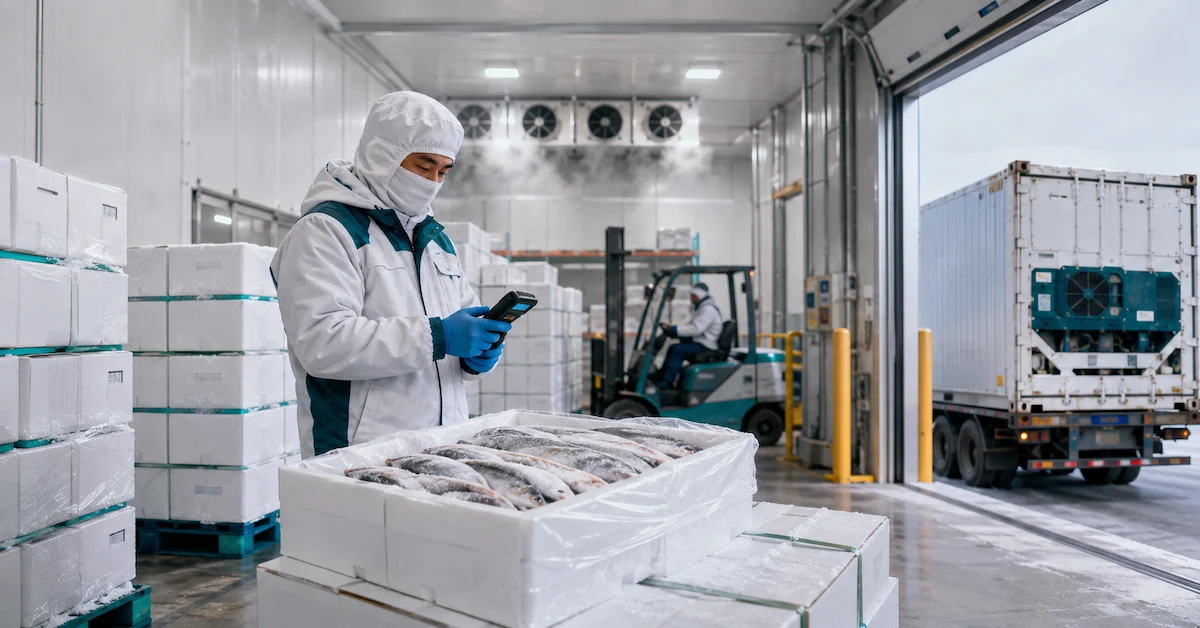


수입업자는 냉동 해산물을 구매하기 전에 어떤 품질 검사를 수행해야 합니까?
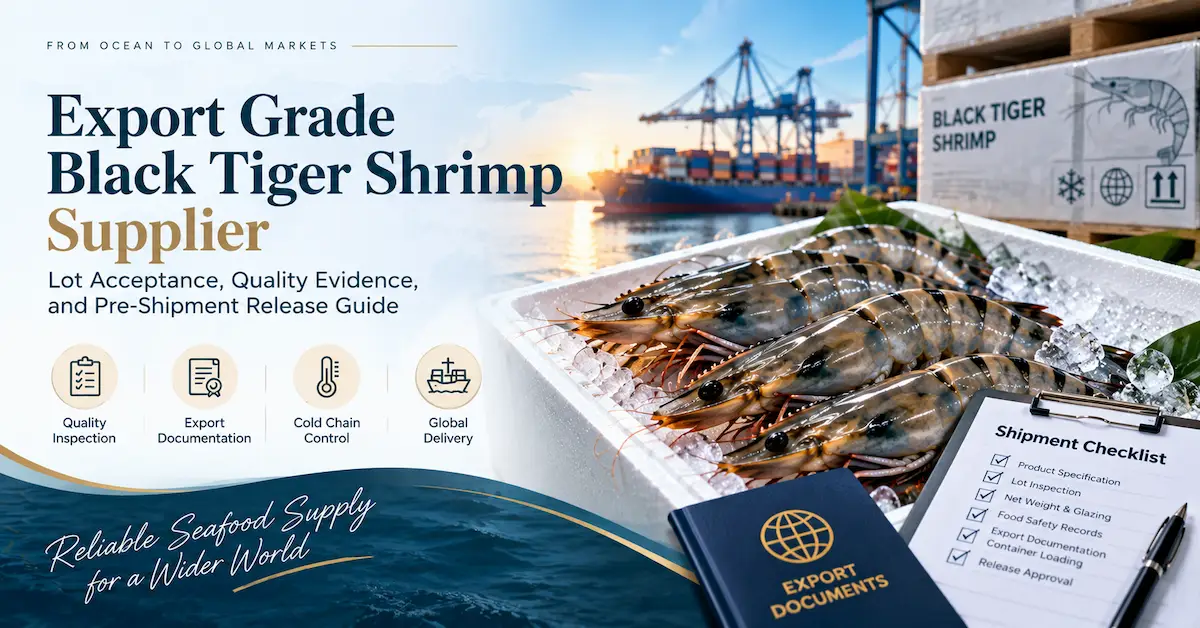
해외 해산물 구매자에게 공급업체 선택은 첫 번째 단계일 뿐입니다. 냉동 해산물을 대량 구매하기 전에 수입업자는 제품 사양, 물리적 상태, 가공 표준, 포장, 온도 제어, 추적성 및 배송 문서를 확인해야 합니다.
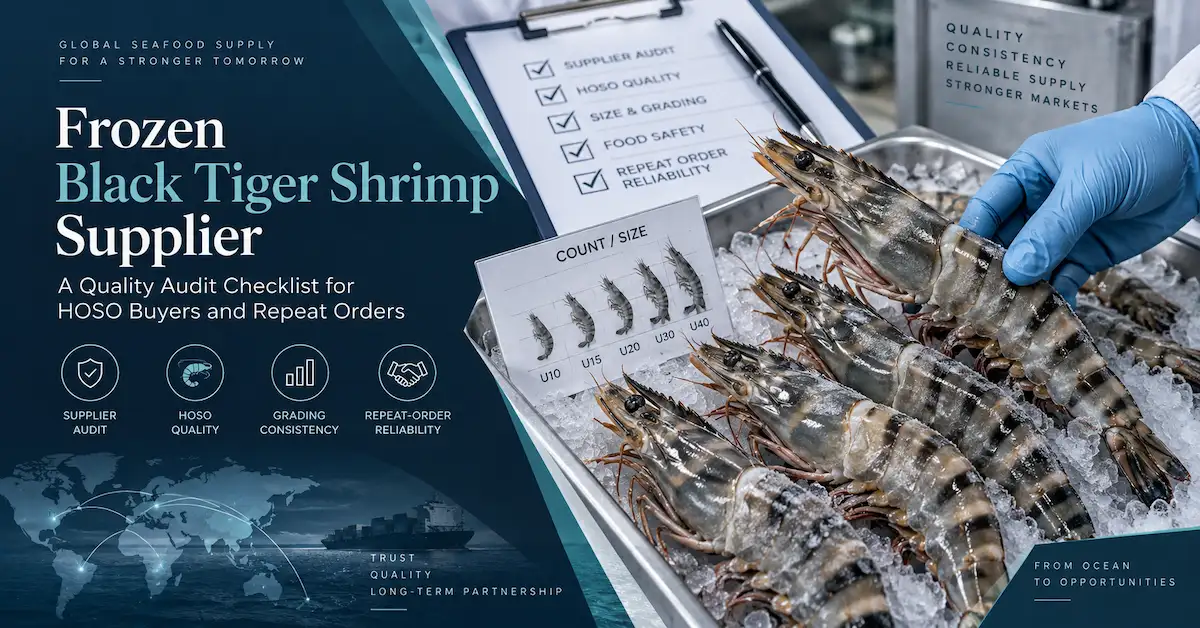
전문적인 냉동 해산물 품질 검사는 구매자가 받은 제품이 다음을 포함하여 합의된 사양과 일치하는지 확인하는 데 도움이 됩니다.
- 해산물
- 제품 양식
- 크기 등급
- 무게 요구 사항
- 동결 방법
- 유리 사양
- 패키징 형식
- 보관 조건
- 문서 내보내기
품질 검사의 목적은 결함이 있는 제품을 식별하는 것만이 아닙니다. 생산 및 배송에 앞서 공급업체와 구매자 간의 오해를 방지하기 위한 조치이기도 합니다.
수입업체의 경우 핵심 질문은 다음과 같습니다.
공급업체는 동일한 해산물 사양을 일관되게 제공할 수 있는 반복 가능한 품질 관리 시스템을 갖추고 있나요?
이는 작은 사양 차이가 수천 킬로그램의 제품에 영향을 미칠 수 있는 컨테이너 대량 주문의 경우 특히 중요합니다.
Bothwin은 소싱 프로세스 전반에 걸쳐 제품 사양 확인, 품질 관리 조정, 수출 포장, 저온 유통 준비에 중점을 두어 국제 해산물 구매자를 지원합니다. 구매자는 구매 요구 사항을 준비할 때 회사의 해산물 제품군을 검토할 수 있습니다.
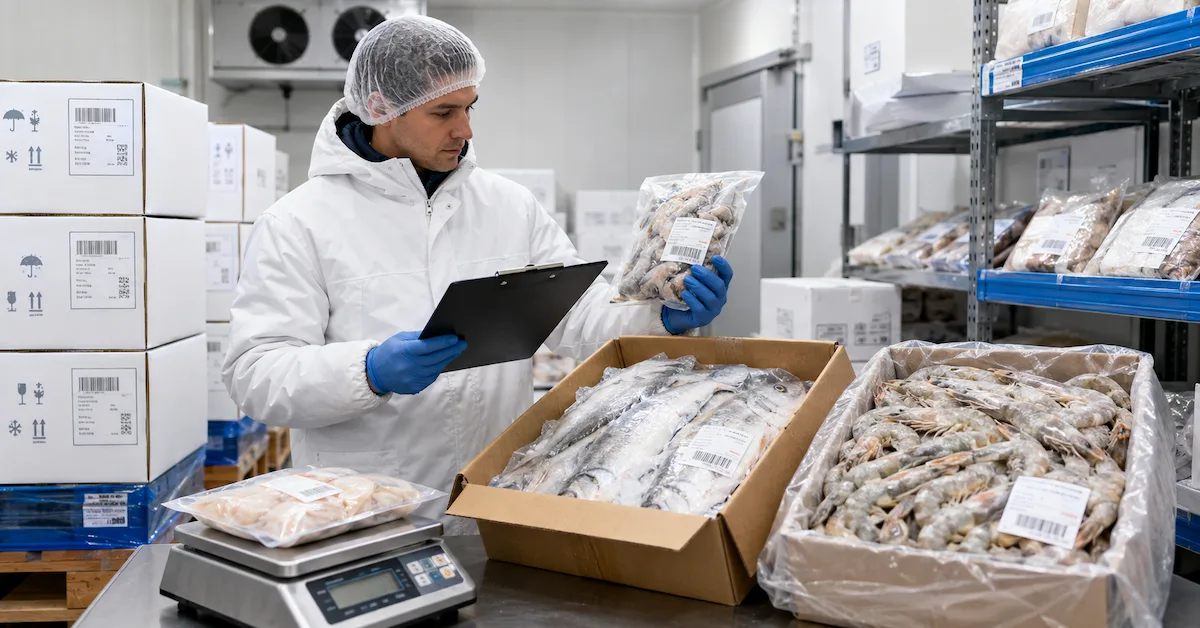
수입업자에게 냉동 해산물 품질 검사가 중요한 이유는 무엇입니까?
냉동 해산물은 일반적으로 여러 공급망 단계를 통해 장거리로 운송됩니다.
가공 시설 → 냉장 보관 → 내륙 운송 → 항만 → 냉동 컨테이너 → 목적지 창고
각 단계마다 잠재적인 품질 위험이 발생합니다.
수입업자가 직면할 수 있는 일반적인 문제는 다음과 같습니다.
- 일관되지 않은 제품 크기
- 잘못된 무게 사양
- 과도한 유리 차이
- 손상된 포장
- 온도 변동
- 불완전한 문서
- 일관되지 않은 반복 배송
공급업체 견적만으로는 제품 품질을 확인할 수 없습니다.
두 공급업체가 비슷한 가격을 제시하지만 다음 사항의 차이로 인해 다른 제품을 제공할 수 있습니다.
- 원자재 선택
- 처리 표준
- 채점 정확도
- 냉동 기술
- 포장 관리
따라서 컨테이너가 도착한 후뿐만 아니라 최종 배송 승인 이전에도 품질 검증이 이루어져야 합니다.
대량 냉동 해산물을 구매하는 구매자를 위한 대량 냉동 해산물 공급업체 선택은 또한 사양, 저온 유통 관리, 포장, 반복 주문 일관성을 보장합니다.
수입업자가 냉동 해산물을 구매하기 전에 확인해야 할 사항은 무엇입니까?
완전한 냉동 해산물 검사에서는 제품의 외관만 확인하기보다는 다양한 영역을 평가해야 합니다.
주요 검사 카테고리는 다음과 같습니다:
| 품질 확인 영역 | 구매자가 확인해야 할 사항 |
|---|---|
| 제품 아이덴티티 | 올바른 종 및 해산물 유형 |
| 제품 사양 | 크기, 형태, 처리 요구사항 |
| 외관 | 색상, 질감, 결함 |
| 크기 일관성 | 중량 범위 및 등급 정확도 |
| 순중량 | 실제 해산물 수량 |
| 유리 | 얼음 코팅 사양 |
| 온도 | 냉동 보관 상태 |
| 포장 | 상자, 라벨 및 보호 |
| 추적성 | 배치 및 생산 정보 |
| 문서 | 수출 및 규정 준수 기록 |
이러한 점검을 통해 완전한 품질 평가 시스템이 구축됩니다.
확인 1: 해산물 종 및 제품 신원 확인
첫 번째 단계는 공급업체가 요청한 제품을 정확히 제공하고 있는지 확인하는 것입니다.
해산물 이름만으로는 항상 충분하지 않을 수 있습니다.
구매자는 다음 사항을 확인해야 합니다.
- 상업용 제품 이름
- 필요한 경우 종 정보
- 해당되는 경우 원산지 정보
- 처리 양식
예를 들어 냉동 참치를 요청하는 구매자는 요구사항이 다음과 같은지 명확히 해야 합니다.
- 참치 통째
- 참치 허리
- 참치 스테이크
- 사쿠 블록
이 제품의 차이점은 다음과 같습니다.
- 처리 요구사항
- 애플리케이션
- 가격 구조
- 고객 기대
다음에도 동일한 원칙이 적용됩니다.
- 틸라피아
- 새우
- 오징어
- 기타 냉동 해산물
신뢰할 수 있는 공급업체는 견적 및 생산 전에 제품 사양을 명확하게 정의할 수 있어야 합니다.
참치 제품을 소싱하는 수입업체는 Bothwin의 프리미엄 냉동 제품을 검토할 수 있습니다. 다양한 상업 형식을 위한 참치 솔루션.
확인 2: 생산 전 제품 사양 확인
많은 수산물 품질 분쟁은 생산 문제보다는 불명확한 사양으로 인해 발생합니다.
주문하기 전에 구매자는 다음을 확인해야 합니다.
제품 양식
예:
- 전체
- 처참
- 필렛
- 스테이크
- 허리
- 껍질을 벗긴 새우
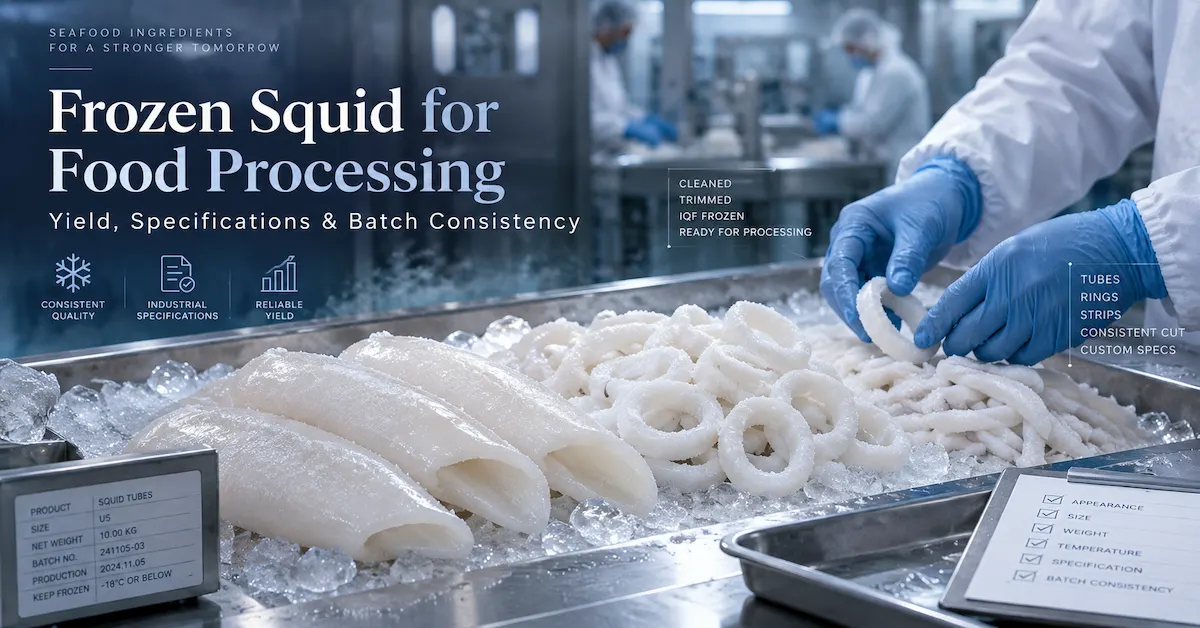
- 깨끗한 오징어
크기 등급
예:
- 개당 무게 범위
- 새우 개수 크기
- 부분 무게
- 두께 요구 사항
처리 요구 사항
확인:
- 트리밍 수준
- 청소 방법
- 절단 표준
- 패키징 형식
동결 방법
제품에 다음이 필요한지 확인하세요.
- IQF
- 블록 동결
- BQF
- 다른 합의된 방법
명확한 사양을 통해 양측이 동일한 기준을 사용하여 품질을 평가할 수 있습니다.
견적을 준비하는 구매자의 경우 사양은 Frozen에 제공된 정보와 일치해야 합니다. 해산물 견적 안내.
확인 3: 냉동 해산물 크기 일관성 및 중량 정확도 확인
수입업체의 경우 크기 일관성은 다음과 같은 직접적인 영향을 미치기 때문에 가장 중요한 냉동 해산물 품질 검사 중 하나입니다.
- 판매 가격
- 고객 기대
- 처리 수율
- 부분 제어
- 재고 계획
수산물 공급업체는 올바른 종을 제공하더라도 크기 분포가 일관되지 않으면 구매자의 기대를 충족하지 못할 수 있습니다.
예를 들어, 냉동 생선 부분을 구매하는 식품 서비스 유통업체는 레스토랑에서 예측 가능한 제공량을 필요로 하기 때문에 일관된 무게를 요구할 수 있습니다.
냉동 틸라피아 전체를 구매하는 도매업자는 시장마다 선호하는 중량 범위가 다르기 때문에 안정적인 크기 등급이 필요할 수 있습니다.
제작 전 구매자는 다음 사항을 확인해야 합니다.
- 대상 크기 범위
- 허용되는 허용 오차
- 채점 방법
- 샘플링 방법
- 합의된 범위를 벗어난 부분의 비율
전문 해산물 규격에는 다음 사항만 명시해서는 안 됩니다.
냉동 틸라피아 500~800g
또한 다음 사항도 명확히 해야 합니다.
- 샘플링된 조각 수
- 크기 변화를 평가하는 방법
- 허용되는 허용 범위
이렇게 하면 배송 후 불일치를 방지하는 데 도움이 됩니다.
전체 냉동 틸라피아를 구매하는 구매자를 위해 Bothwin의 수출용 냉동 틸라피아 정보는 크기 요건 및 상업 사양을 논의할 때 참고 자료로 사용할 수 있습니다.
확인 4: 배송 전 순중량 및 글레이징 확인
순중량 확인은 냉동 해산물 구매 시 가장 중요한 품질 검사 중 하나입니다.
수입업체는 다음을 명확하게 구별해야 합니다.
- 총중량
- 얼어붙은 유리 무게
- 해산물 순 중량
- 포장 무게
구매자의 우려사항은 다음과 같습니다.
실제 해산물 제품을 얼마나 받고 있나요?
이뿐만 아니라:
상자가 얼마나 무겁나요?
글레이징은 냉동 해산물을 보호해 주지만 구매자는 제품 중량 신고가 합의된 사양을 따르는지 확인해야 합니다.
급속 냉동 해산물 제품에 대한 Codex 표준에 따르면 유약 제품의 신고된 순 함량에는 유약이 제외되어야 합니다. (fao.org)
FDA는 또한 미국 시장에서 판매되는 냉동 해산물 제품의 신고 순중량에 얼음 유약이 포함되어서는 안 된다고 명시하고 있습니다. (fda.gov)
배송 전 구매자는 다음 사항을 확인해야 합니다.
- 유리 비율
- 계산 방법
- 순 중량 기준
- 허용되는 허용 오차
- 검사 방법
이는 여러 공급업체를 비교할 때 특히 중요합니다.
한 공급업체가 서로 다른 중량 가정을 포함하는 경우 견적이 낮다고 해서 실제 비용이 항상 낮아지는 것은 아닙니다.
구매자는 Bothwin의 이전 가이드도 검토할 수 있습니다.
글레이징 비율이 수입업자의 냉동 해산물 가격에 어떤 영향을 미치나요?
글레이징이 해산물 가격 비교에 어떤 영향을 미치는지 이해합니다.
확인 5: 냉동 해산물의 외관 및 물리적 상태 평가
육안 검사는 기본적이면서도 중요한 냉동 해산물 품질 점검 중 하나입니다.
배송 전 구매자는 다음 사항을 평가해야 합니다.
제품 외관
확인:
- 자연색
- 표면 상태
- 눈에 보이는 피해
- 비정상적인 변색
- 탈수 징후
동결된 상태
확인:
- 제품이 정지 상태로 유지됨
- 과도한 얼음 축적 없음
- 해동 및 재냉각 흔적 없음
- 포장은 그대로 유지됩니다
제품 무결성
해산물 유형에 따라 구매자는 다음을 검사할 수 있습니다.
- 깨진 조각
- 손상된 필렛
- 분쇄된 제품
- 과도한 표면 결함
허용되는 외관 표준은 제품 적용에 따라 다릅니다.
예:
- 슈퍼마켓 제품에는 더 강력한 외관 표준이 필요할 수 있습니다
- 처리 구매자는 수익과 기능에 더 집중할 수 있습니다
- 외식 서비스 구매자는 일관성과 요리 성능을 우선시할 수 있습니다
따라서 품질 검사는 항상 최종 애플리케이션과 일치해야 합니다.
확인 6: 냉동 해산물 온도 조절 확인
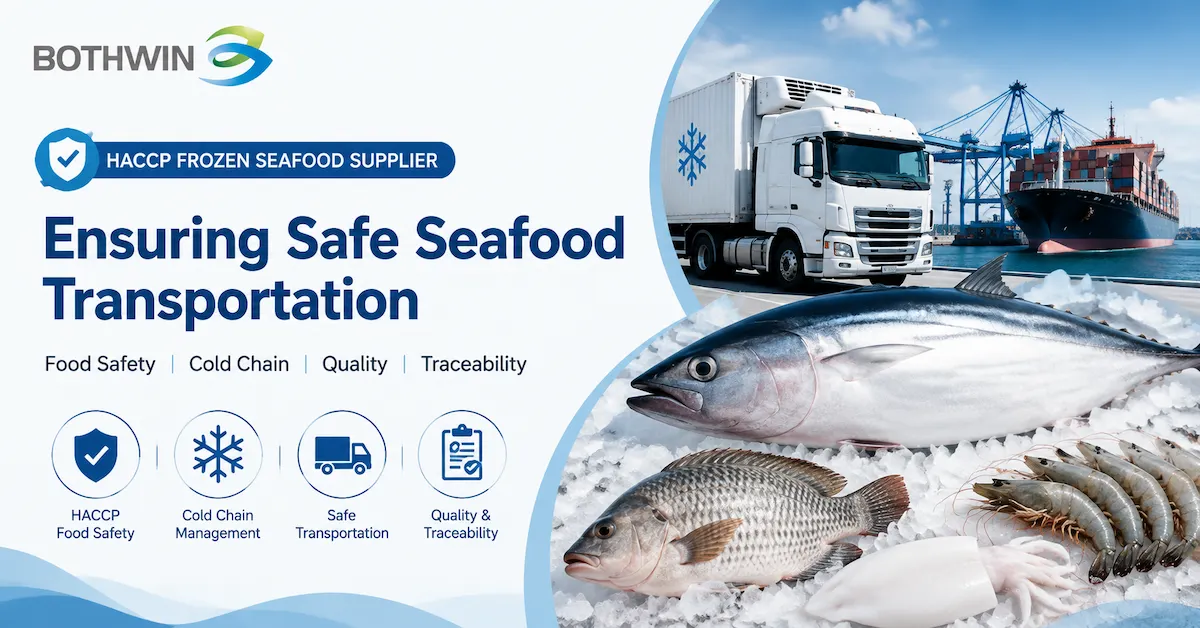
온도 제어는 냉동 해산물 공급망 전반에 걸쳐 필수적입니다.
냉동 해산물 제품에는 여러 온도 조절 지점이 있을 수 있습니다.
가공 → 냉장 보관 → 운송 → 항만 취급 → 냉동 운송 → 목적지 창고
수입업자는 다음을 확인해야 합니다:
- 제품 냉동 상태
- 콜드 스토리지 기능
- 냉동차 운송 준비
- 로드 절차
- 온도 모니터링 방법
온도 문제는 다음에 영향을 미칠 수 있습니다.
- 질감
- 보습 유지
- 외모
- 유통 기한
- 고객 승인
구매자는 다음 사항을 확인해야 합니다.
- 필요한 보관 온도
- 배송 온도 요구 사항
- 해당되는 경우 기록 모니터링
- 콜드체인 취급 절차
수출 구매자의 경우 수출용 냉동 생선 보관 방법에 대한 Bothwin의 콘텐츠에서 냉동 해산물 보관 및 운송에 대한 추가 정보를 제공합니다. 고려사항.
점검 7: 처리 및 위생 관리 검토
냉동 해산물의 품질은 최종 제품에 의해서만 결정되는 것이 아닙니다.
처리 단계도 일관성에 영향을 미칩니다.
수입업체는 공급업체가 다음을 통제하는 방법을 이해해야 합니다.
원료 검사
질문사항:
- 원재료는 어떻게 선택되나요?
- 신선도는 어떻게 평가되나요?
- 수신 자료는 어떻게 확인하나요?
처리 제어
확인:
- 청소 절차
- 절단 표준
- 채점 과정
- 취급 조건
생산 관리
확인:
- 제품 식별
- 일괄 관리
- 포장 절차
- 제작 기록
일관적인 처리 시스템은 공급업체가 여러 배송에 걸쳐 반복 가능한 제품을 생산하는 데 도움이 됩니다.
장기 구매자에게는 일반적으로 단일 저가 배송보다 반복성이 더 중요합니다.
확인 8: 수입 전 해산물 추적 가능성 확인
추적 기능은 구매자가 제품의 출처와 공급망을 통해 이동한 방법을 식별하는 데 도움이 됩니다.
전문 냉동 해산물 공급업체는 다음과 같은 정보를 통해 제품 식별을 지원할 수 있어야 합니다.
- 생산 배치
- 처리 날짜
- 제품 사양
- 포장 정보
- 배송 기록
추적성은 다음과 같은 경우에 특히 중요합니다.
- 고객이 제품 정보를 요청함
- 품질 문제 발생
- 수입 규정에는 문서가 필요합니다
- 구매자는 소매 프로그램을 관리합니다
슈퍼마켓과 브랜드 해산물 프로그램의 경우 추적성은 주요 공급업체 선택 요소인 경우가 많습니다.
확인 9: 냉동 해산물 포장 및 라벨 검사
포장은 국제 운송 중에 해산물을 보호합니다.
수입업체가 확인해야 할 사항:
상자 상태
확인:
- 상자 강도
- 내습성
- 스택 조건
- 피해 예방
제품 라벨
Confirm:
- product name
- net weight
- storage instructions
- batch information
- destination requirements
Retail or Private Label Packaging
For OEM buyers, confirm:
- artwork approval
- label language
- barcode requirements
- packaging format
Packaging problems can create unnecessary issues even when the seafood itself meets specifications.
For buyers requiring customized seafood packaging, requirements should be discussed before production begins.
Check 10: Review Export Documents Before Shipment
Documentation is an important part of seafood quality management because it connects the physical product with regulatory and commercial requirements.
Depending on destination and product type, buyers may need to review:
- commercial invoice
- packing list
- bill of lading
- certificate of origin
- health-related documents where applicable
- product specifications
- traceability information
Requirements vary by market.
For example, seafood imported into the United States must comply with applicable FDA requirements, including Seafood HACCP-related requirements for covered products. (fda.gov)
Importers should confirm requirements with:
- supplier
- importer of record
- customs broker
- local regulatory authority
before shipment.
What Should Be Included in a Frozen Seafood Pre-Shipment Inspection?
A pre-shipment inspection helps buyers confirm that the order matches the agreed specification before loading.
A typical inspection checklist may include:
| Inspection Item | Buyer Verification |
|---|---|
| Product identity | Correct species and product |
| Size grade | Matches purchase specification |
| Quantity | Correct cartons and units |
| Net weight | Meets agreed weight requirement |
| Glazing | Matches agreed specification |
| Appearance | No unacceptable defects |
| Packaging | Cartons and labels correct |
| Temperature | Product remains frozen |
| Documents | Shipment records complete |
| Batch information | Traceability available |
The inspection scope should be agreed before production.
Different products may require different acceptance criteria.
For example:
- frozen tuna steak buyers may focus on cut consistency
- tilapia buyers may focus on size grading
- shrimp buyers may focus on count size and glazing
- squid buyers may focus on cleaning and processing standards
Frozen Seafood Quality Checks for Different Buyers
Different buyers may prioritize different inspection points.
Seafood Importers
Main concerns:
- supplier reliability
- documentation
- product consistency
- container shipment quality
Seafood Wholesalers
Main concerns:
- size grading
- packaging
- resale value
- repeat supply
Foodservice Distributors
Main concerns:
- portion consistency
- cooking performance
- product handling
Supermarket Buyers
Main concerns:
- labeling
- appearance
- traceability
- packaging
Seafood Processors
Main concerns:
- yield
- raw material quality
- processing suitability
A good quality inspection system should match the buyer's business model.
Frozen Seafood Quality Inspection Checklist for Importers
Before placing a bulk frozen seafood order, importers should create a clear inspection checklist based on the actual product requirements.
A complete checklist should cover not only the seafood itself but also:
- specification accuracy
- production consistency
- packaging condition
- cold-chain control
- documentation
- shipment readiness
A practical frozen seafood quality checklist can include:
| Inspection Category | What Buyers Should Check |
|---|---|
| Product Identity | Species, product type and processing form |
| Size & Grade | Weight range, count size and tolerance |
| Appearance | Color, texture, defects and dehydration |
| Freezing Condition | Frozen status and product integrity |
| Glazing | Glaze specification and weight basis |
| Net Weight | Actual seafood quantity |
| Packaging | Carton, inner packing and labels |
| Temperature | Storage and transportation condition |
| Traceability | Batch and production information |
| Documents | Export and compliance records |
This checklist helps buyers evaluate suppliers based on measurable criteria instead of only comparing prices.
What Are the Most Common Frozen Seafood Quality Mistakes Importers Make?
Even experienced seafood buyers can face problems when specifications are not clearly defined.
Mistake 1: Choosing Suppliers Based Only on Price
The lowest quotation does not always represent the lowest purchasing cost.
A lower price may come with differences in:
- product grade
- size consistency
- net weight
- glazing basis
- packaging quality
- shipment reliability
Professional buyers should compare the complete product specification before making a decision.
The better question is:
Which supplier provides the best overall value for the required seafood specification?
Mistake 2: Not Defining Product Specifications Clearly
A common purchasing mistake is sending a request like:
“Please quote frozen fish.”
This leaves many important questions unanswered:
- Which species?
- What size?
- Whole or processed?
- What freezing method?
- What packaging?
- What destination?
A detailed specification reduces communication time and prevents quotation misunderstandings.
Mistake 3: Ignoring Net Weight and Glazing Details
As discussed in previous sections, glazing can affect how buyers understand product value.
Importers should always confirm:
- declared net seafood weight
- glazing percentage
- calculation method
- inspection procedure
This is especially important for container-volume purchases.
Buyers can also review:
How Does Glazing Percentage Affect Frozen Seafood Cost for Importers?
to understand how glazing influences seafood cost evaluation.
Mistake 4: Not Checking Samples or Trial Orders
For new supplier relationships, samples or trial shipments can help verify:
- product appearance
- size consistency
- packaging
- cooking performance
- customer acceptance
A trial order allows buyers to evaluate actual performance before increasing purchase volume.
Mistake 5: Not Confirming Cold Chain Management
Frozen seafood quality depends heavily on temperature control.
A supplier may produce acceptable seafood, but quality can still decline if:
- storage conditions are unstable
- transportation is poorly managed
- loading procedures are not controlled
Importers should understand how the supplier manages frozen products from production to shipment.
How Can Importers Build a Reliable Frozen Seafood Quality Control Process?
A strong quality management process should not start after receiving complaints.
It should begin before purchasing.
A practical process includes:
Step 1: Define Product Requirements
Before quotation, confirm:
- seafood type
- size
- processing form
- freezing method
- packaging
- quantity
- destination
Step 2: Review Supplier Capability
Evaluate:
- product experience
- processing ability
- export experience
- communication efficiency
- documentation support
Step 3: Confirm Quality Standards
Agree on:
- product specifications
- tolerance levels
- inspection requirements
- acceptance criteria
Step 4: Conduct Pre-Shipment Verification
Before loading:
- inspect products
- verify quantities
- confirm packaging
- review documents
- check agreed specifications
Step 5: Maintain Shipment Records
Keep records of:
- purchase specifications
- inspection reports
- shipment documents
- supplier communication
This helps create a repeatable sourcing system.
How Does Bothwin Support Frozen Seafood Quality Management?
For international seafood buyers, Bothwin focuses on helping customers match product requirements with suitable seafood specifications.
The sourcing process can involve:
- product selection
- specification confirmation
- processing requirement discussion
- packaging coordination
- export preparation
- shipment support
Buyers can review:
When requesting a quotation, providing detailed product requirements helps suppliers respond more accurately.
A complete inquiry should include:
- seafood product
- size grade
- processing form
- freezing method
- packaging
- quantity
- destination
- quality requirements
Frozen Seafood Quality Control Checklist Before Ordering
Importers can use this checklist before confirming a supplier:
| Item | Confirmed |
|---|---|
| Exact seafood product identified | ☐ |
| Species confirmed | ☐ |
| Product form confirmed | ☐ |
| Size grade agreed | ☐ |
| Weight tolerance defined | ☐ |
| Freezing method confirmed | ☐ |
| Glazing requirement confirmed | ☐ |
| Net weight basis confirmed | ☐ |
| Packaging approved | ☐ |
| Label requirements confirmed | ☐ |
| Cold-chain requirements discussed | ☐ |
| Traceability information available | ☐ |
| Export documents confirmed | ☐ |
| Inspection method agreed | ☐ |
| Shipment requirements confirmed | ☐ |
This checklist can help importers reduce uncertainty before committing to large-volume frozen seafood purchases.
FAQ About Frozen Seafood Quality Checks
What are the most important frozen seafood quality checks?
The most important checks include product identity, size consistency, net weight, glazing, appearance, temperature control, packaging, traceability and export documentation.
Why should importers inspect frozen seafood before shipment?
Pre-shipment inspection allows buyers to confirm that products match agreed specifications before international transportation, reducing the risk of receiving unsuitable goods.
How can buyers check frozen seafood quality?
Buyers can review product specifications, inspect samples, verify packaging, confirm weight requirements, check cold-chain records where applicable, and review shipment documents.
What should buyers check about frozen fish size?
Buyers should confirm the required weight range, grading method, tolerance and sampling procedure to ensure consistent product quality.
Why is net weight important in frozen seafood purchasing?
Net weight helps buyers understand the actual seafood quantity purchased and allows fair comparison between supplier quotations.
Does glazing affect frozen seafood quality?
Yes. Glazing can help protect frozen seafood from dehydration and freezer-related quality problems. However, buyers should clearly define glazing requirements and net-weight basis.
How important is temperature control for frozen seafood?
Temperature control is essential because frozen seafood quality can be affected by storage and transportation conditions.
What documents should frozen seafood importers request?
Depending on the destination market, buyers may request commercial invoices, packing lists, certificates, product specifications, traceability information and other applicable export documents.
Should buyers test samples before bulk orders?
For new suppliers or new products, samples or trial orders can help verify whether the product meets commercial expectations before larger purchases.
How can I request frozen seafood quality information from Bothwin?
Buyers can send product specifications, quantity requirements, destination information and quality expectations through the Bothwin Contact Us page.
Conclusion
For frozen seafood importers, quality control should begin before the purchase order is placed.
A reliable sourcing process is not only about finding competitive pricing. It requires confirming:
- the right product
- the right specification
- the right weight basis
- the right quality standards
- the right cold-chain management
- the right documentation
The most effective buyers create clear inspection requirements before production and shipment instead of solving quality problems after delivery.
By applying a structured frozen seafood quality check process, importers can reduce purchasing risks, improve supplier communication and build more stable long-term seafood supply relationships.
For your next frozen seafood sourcing project, explore Bothwin's seafood product range and contact Bothwin with your product specifications, quality requirements and purchasing plans.