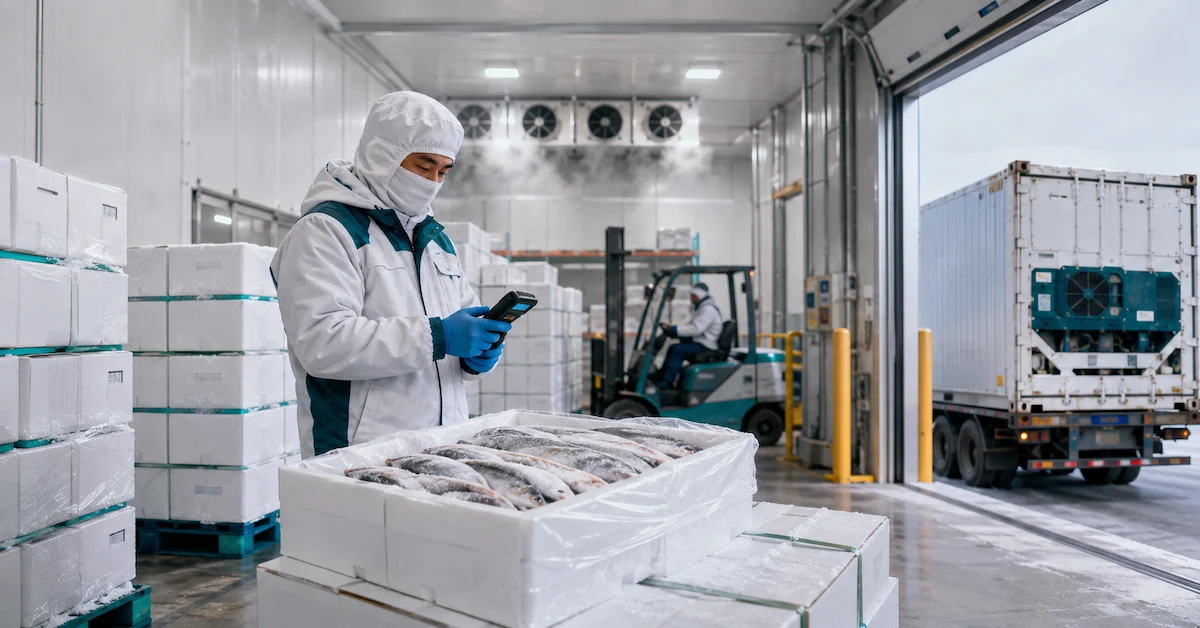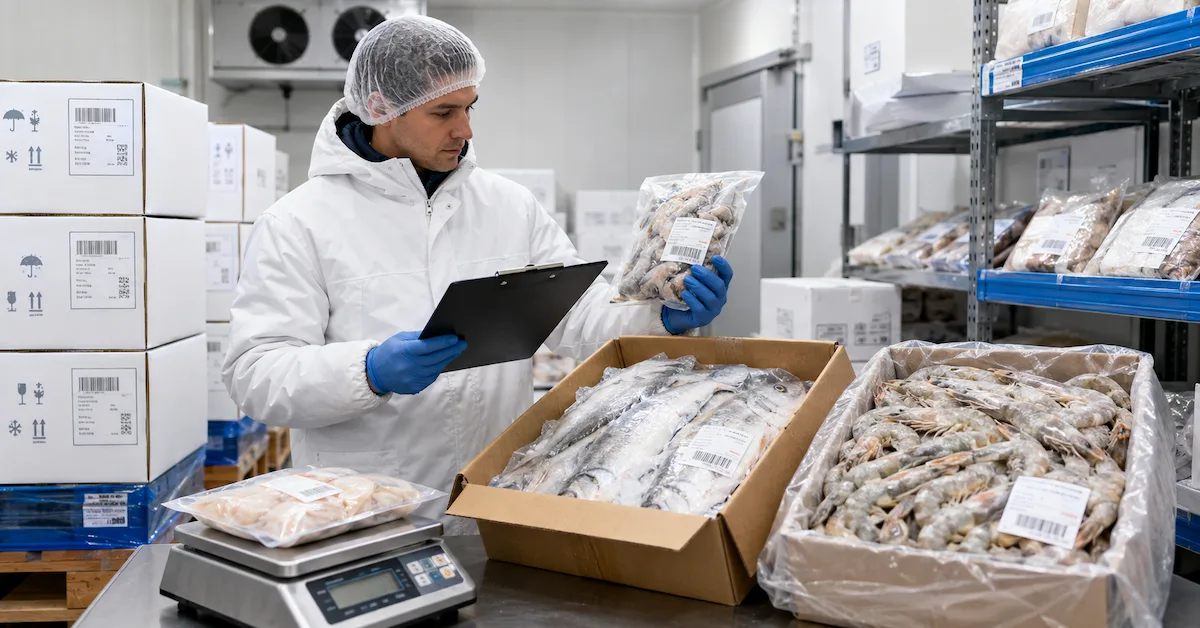


Choosing a seafood processing supplier is not only about finding available seafood products. For importers, wholesalers, food factories, supermarkets, and food service buyers, the real concern is whether the supplier can control seafood quality before shipment begins.
Seafood quality depends on many steps: raw material selection, cleaning, processing, freezing, packaging, cold storage, documentation, and loading. If one step is poorly managed, buyers may face product damage, quality claims, customs delays, or unstable resale performance.
Buyers who want to understand Bothwin’s company background and seafood supply direction can first visit the About Us page.
Why Seafood Processing Creates Real Buying Risk
Seafood is highly sensitive to handling conditions. Even if the product is frozen later, poor processing can still affect texture, appearance, smell, shelf life, and buyer confidence.
Common problems include:
- Inconsistent cleaning or trimming
- Poor size grading across batches
- Excessive moisture or unstable glazing
- Weak hygiene control during handling
- Packaging damage during storage or shipping
- Unclear batch information
- Product form not matching the buyer’s market
For B2B buyers, these issues are not small details. They can influence downstream distributors, restaurants, supermarket shelves, and food processing schedules.
What a Seafood Processing Supplier Should Control
A professional seafood processing supplier should manage seafood as a controlled food product, not just a raw commodity.
The supplier should pay attention to:
- Raw material source and freshness
- Processing hygiene
- Cutting, cleaning, trimming, or grading standards
- Freezing method and storage temperature
- Export packaging and labeling
- Batch traceability
- Shipment preparation and document support
The goal is to help buyers receive seafood that is stable, repeatable, and suitable for their sales channel.
Basic Supplier vs Processing-Focused Supplier
Many buyers compare seafood suppliers only by product and price. However, processing ability often decides whether the shipment can perform well after arrival.
| Evaluation Point | Basic Seafood Seller | Processing-Focused Supplier |
|---|---|---|
| Main role | Sells available seafood | Controls product preparation |
| Quality focus | Appearance before sale | Stability before shipment |
| Packaging | Simple packing | Export-ready packaging |
| Batch control | Limited information | Better traceability |
| Buyer support | Transaction-based | Long-term supply support |
| Best for | Spot purchase | Repeat B2B orders |
A low price may not help if the product arrives with inconsistent size, weak cartons, or unstable quality. For serious buyers, processing control is part of cost control.
Bothwin’s Seafood Supply and Processing Support
Bothwin supports international B2B buyers with frozen seafood and food product supply. As a seafood processing supplier, Bothwin focuses on helping importers, wholesalers, food processing companies, supermarkets, and food service buyers source products with clearer quality expectations.
Main product directions include:
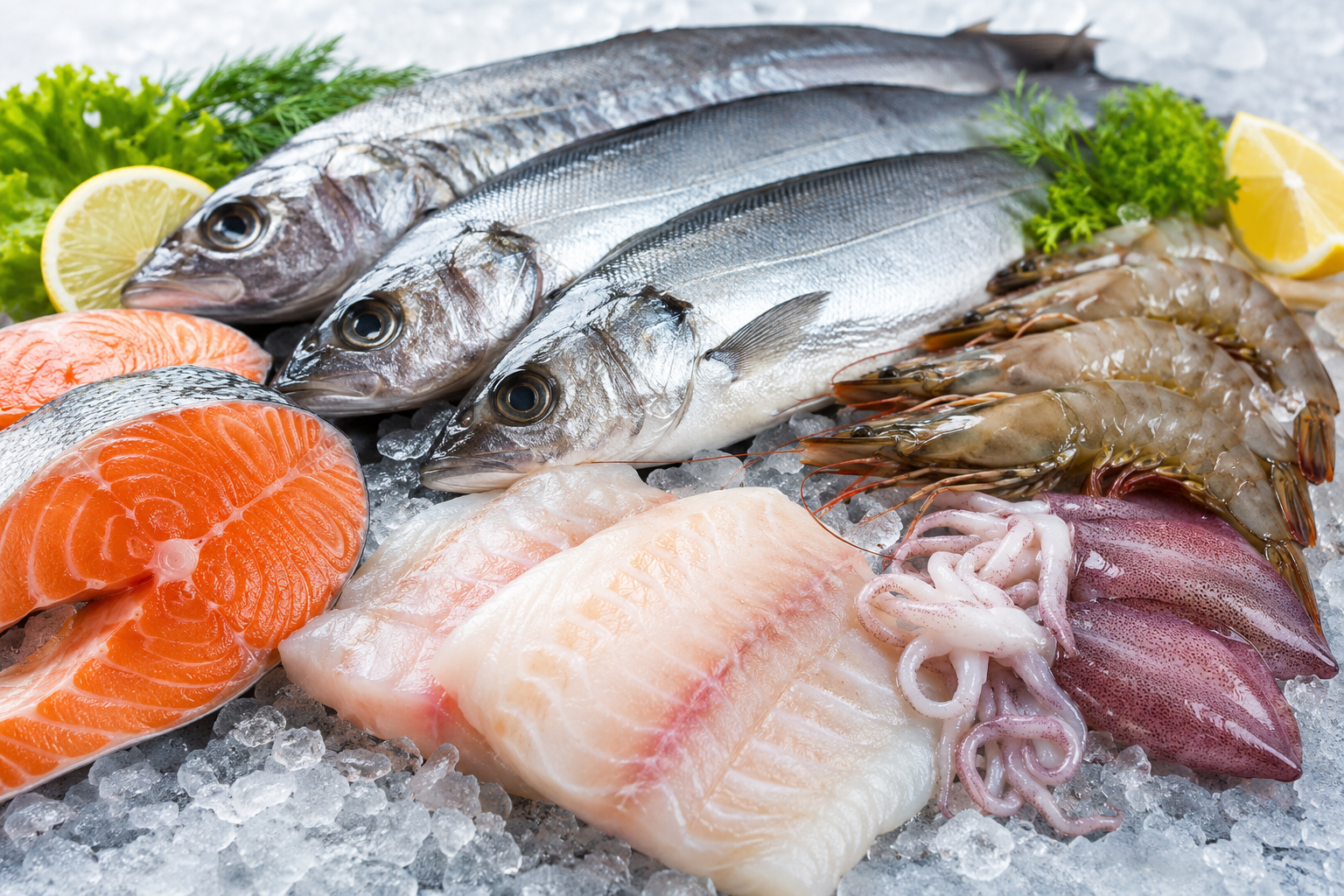
- Frozen fish such as tuna, tilapia, and sea bass
- Black tiger shrimp and other shrimp products
- Squid and other seafood products
- Spices and seasoning ingredients
- Export-oriented packaging and shipment support
Buyers can review available seafood and food categories through the Products page to match product options with local market demand, wholesale volume, or food processing requirements.
Why Freezing, Packaging, and Traceability Matter
Processing does not end after cleaning or cutting. For frozen seafood, freezing and packaging are just as important.
Freezing Method
Different seafood products may require different freezing approaches. The right method helps protect texture, appearance, and handling convenience.
Packaging Strength
Export packaging must survive long-distance transportation, warehouse movement, unloading, and redistribution. Weak cartons can create loss before the product even reaches the final buyer.
Cold Chain Awareness
Frozen seafood should stay under suitable low-temperature conditions during storage, loading, and transport. Temperature fluctuation may affect product quality and increase claim risk.
Batch Traceability
Clear batch information helps buyers manage inspection, inventory, quality feedback, and customer complaints more efficiently.
These details are especially important for buyers who serve regulated markets, organized retail channels, or long-term food service supply chains.
Suitable Buyers and Application Scenarios
A reliable seafood processing partner can support different B2B needs.
Importers and Distributors
They need stable products, clear specifications, export documents, and packaging that can support local distribution.
Food Processing Companies
They care about raw material consistency, yield, size control, and whether the seafood can fit cutting, cooking, repacking, or further manufacturing.
Supermarkets and Retail Channels
They need clean appearance, proper packaging, clear labels, and repeatable product quality for retail display.
Restaurants and Food Service Buyers
They require seafood that performs consistently in kitchen preparation, portion planning, and menu supply.
Buyers who need more sourcing insights can read Bothwin’s FAQ and blog section for topics related to seafood quality, cold chain, and international supply.
How to Choose the Right Processing Partner
Before confirming a bulk order, buyers should ask practical questions:
- What seafood species and product forms are available?
- How is the product cleaned, processed, and graded?
- What freezing method is used?
- How is export packaging handled?
- Can the supplier support repeat orders?
- Is batch information traceable?
- What documents can be prepared for shipment?
- Can the product match wholesale, retail, or food factory needs?
A serious supplier should explain these details clearly before order confirmation.
For buyers with specific product size, packaging, or shipment requirements, early communication through the Contact Us page can help reduce sourcing uncertainty.
FAQ
What makes a seafood processing supplier reliable?
A reliable supplier should control raw material selection, processing hygiene, product grading, freezing, export packaging, traceability, and shipment communication.
Why is processing quality important for seafood importers?
Processing quality affects product appearance, texture, shelf life, buyer claims, and downstream sales performance. Poor processing can create problems even if the product is frozen.
What products can a seafood processing supplier support?
Depending on availability, product options may include frozen fish, shrimp, squid, fillets, whole fish, and other seafood products for wholesale, food service, or food processing use.
Should buyers focus more on price or processing ability?
Price matters, but processing ability often affects the final landed value. Stable quality, strong packaging, and clear documents can reduce long-term buying risk.
Better Processing Control Builds Safer Seafood Supply
Choosing a seafood processing supplier is ultimately about reducing risk before shipment. Importers and distributors need a partner that understands product quality, processing discipline, cold chain handling, export packaging, documentation, and B2B communication.
Bothwin supports global buyers with frozen seafood supply, export-oriented service, and product options for importers, wholesalers, food processing companies, supermarkets, and food service channels. Buyers can learn more through the About Us page, explore seafood categories on the Products page, read sourcing insights in the FAQ and blog section, or send sourcing requirements through the Contact Us page.