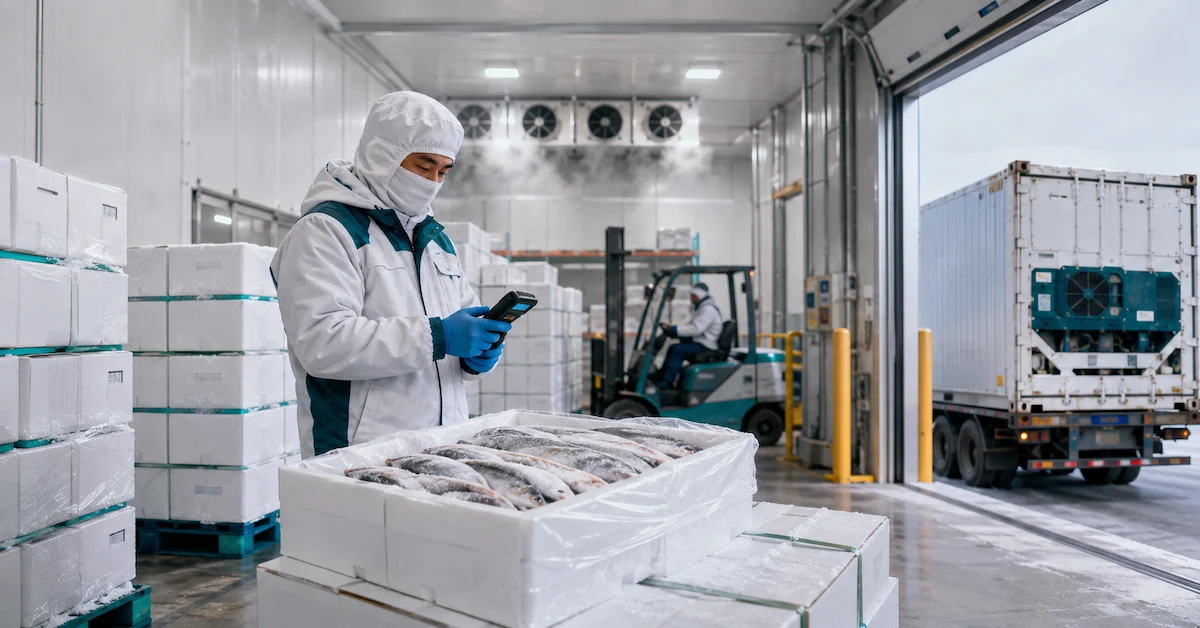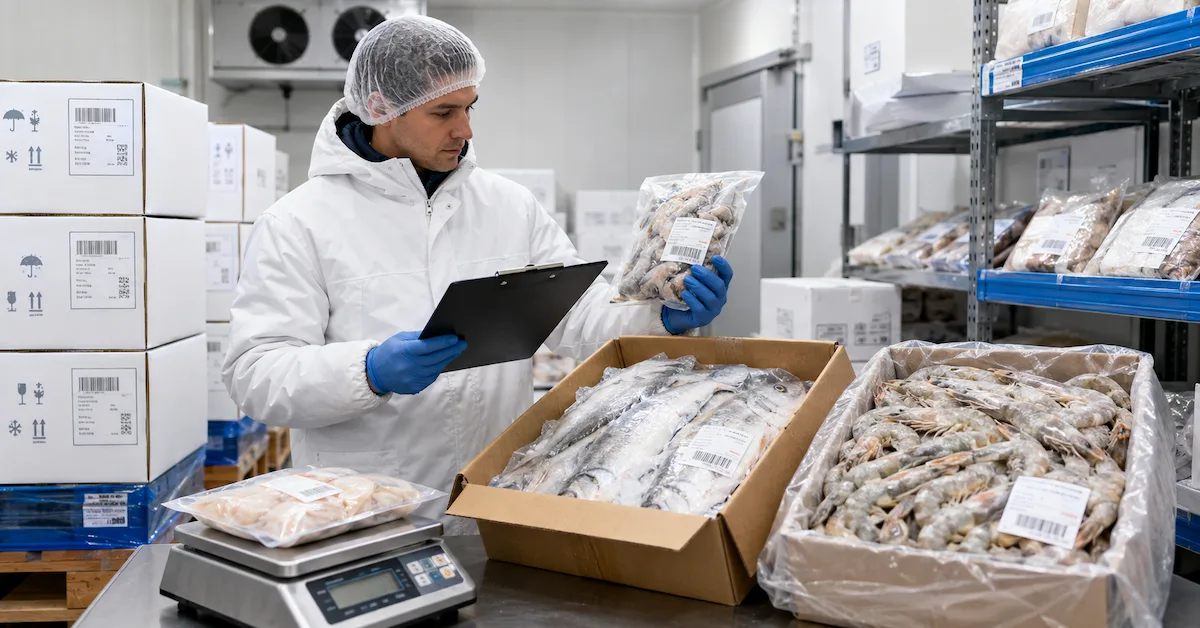


An OEM frozen seafood packaging supplier helps importers, distributors, supermarkets, restaurants, and seafood brands source frozen seafood with packaging formats that match their market, sales channel, and storage requirements. For global B2B buyers, packaging is not only a container. It protects product quality, supports cold-chain handling, improves shelf display, and helps build customer trust.
Frozen seafood products such as fish, shrimp, squid, octopus, cuttlefish, and mixed seafood packs often travel long distances before reaching restaurants, retail freezers, food processing factories, or local distributors. If packaging is weak or poorly matched to the product, buyers may face carton damage, freezer burn, poor retail display, unclear labeling, and customer complaints.
A reliable OEM packaging supplier should understand seafood products, frozen storage, packaging protection, private label requirements, and export communication.
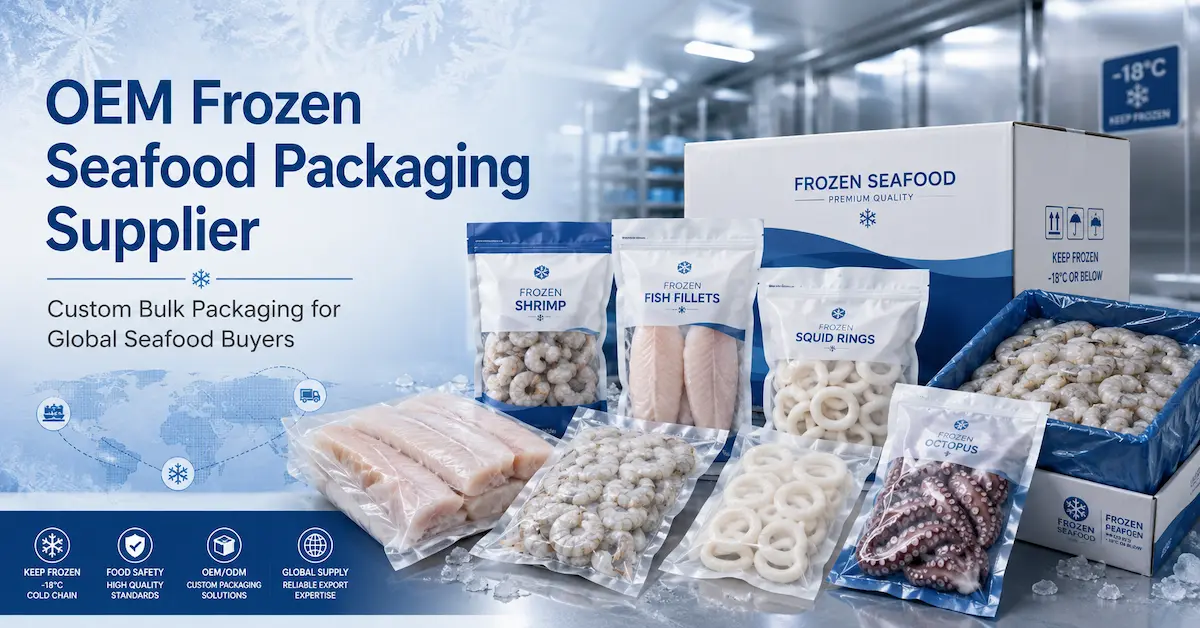
Quick Answer: What Should Buyers Look for in an OEM Frozen Seafood Packaging Supplier?
Buyers should choose a supplier that can provide suitable frozen seafood products, clear packaging options, private label support, strong export cartons, cold-chain protection, and flexible B2B communication.
Important sourcing points include:
- Product type: fish, shrimp, squid, octopus, or mixed seafood
- Packaging format: retail bag, vacuum pack, foodservice pack, or bulk carton
- Net weight and glazing ratio
- Labeling and private label requirements
- Shelf life and storage instructions
- Carton size and strength
- Frozen transport protection
- Sample support before bulk orders
- Export document and shipment communication
Bothwin Food supplies frozen fish, fresh or frozen shrimp, cephalopods, canned goods, spices, and condiments for global B2B buyers. Buyers can review seafood categories on the Products page, learn more about the company on the About Us page, or submit packaging and sourcing requirements through the Contact Us page.
Why OEM Packaging Matters in Frozen Seafood Sourcing
OEM packaging gives buyers more control over how seafood products are sold, stored, displayed, and recognized in the market. This is especially important for supermarkets, seafood brands, distributors, and foodservice companies that want repeat sales.
Good frozen seafood packaging can help buyers:
- Protect seafood during cold-chain transport
- Improve retail freezer presentation
- Support private label branding
- Reduce product damage
- Make storage and handling easier
- Provide clear cooking and storage information
- Improve customer trust in frozen seafood products
For B2B buyers, the right packaging can improve both product value and sales efficiency.
Main Frozen Seafood Products for OEM Packaging
An OEM frozen seafood packaging project should start with product matching. Different seafood categories need different packaging structures.
1. Frozen Shrimp Packaging
Frozen shrimp is one of the most common products for private label and retail packaging. It is widely sold in supermarkets, foodservice channels, and distributor networks.
Common shrimp packaging options include:
- IQF shrimp retail bags
- Peeled shrimp vacuum packs
- Foodservice shrimp bags
- Bulk cartons for distributors
- Private label frozen shrimp packs
Buyers should confirm shrimp size grade, net weight, glazing ratio, raw or cooked status, and peeling method before designing packaging.
2. Frozen Fish Packaging
Frozen fish can be packed for retail, foodservice, or processing use.
Common frozen fish packaging formats include:
- Vacuum-packed fish fillets
- Retail fish portion bags
- Bulk frozen fish cartons
- Skin-on or skinless fillet packs
- Private label fish products
For fish packaging, product appearance and protection are especially important. Vacuum packaging can help improve presentation for premium retail products.
3. Cephalopod Packaging
Squid, octopus, and cuttlefish are used in retail, restaurants, seafood mixes, and food processing.
Common packaging formats include:
- Squid ring retail bags
- Squid tube vacuum packs
- Octopus bulk cartons
- Mixed cephalopod packs
- Foodservice squid packaging
For cephalopods, cleaning level, cutting consistency, and packaging clarity can affect buyer satisfaction.
4. Mixed Seafood Packs
Mixed seafood packs are popular for supermarkets, hotpot, pasta, soups, seafood fried rice, and ready-meal production.
OEM mixed seafood packaging can include:
- Shrimp
- Squid
- Fish pieces
- Mussels
- Octopus
- Other seafood ingredients based on market demand
Mixed packs are useful for brands and retailers that want convenient ready-to-cook seafood products.
Common OEM Frozen Seafood Packaging Formats
Different buyers need different packaging formats. The supplier should recommend packaging based on sales channel, storage method, and product use.
| Packaging Format | Best For | Main Advantage |
|---|---|---|
| Retail bags | Supermarkets, grocery chains, online retail | Good shelf display and easy consumer use |
| Vacuum packs | Fish fillets, premium seafood, private label products | Better appearance and surface protection |
| Foodservice packs | Restaurants, hotels, catering companies | Easy storage and daily kitchen use |
| Bulk cartons | Importers, distributors, processors | Cost-effective for large-volume orders |
| Private label packs | Seafood brands and retail chains | Supports branding and market differentiation |
| IQF bags | Shrimp, squid rings, seafood mixes | Good portion control and convenience |
A professional supplier should help buyers choose packaging that fits both product protection and commercial use.
Retail Packaging vs Foodservice Packaging
OEM frozen seafood packaging should match the buyer’s business model. Retail buyers and foodservice buyers often need different solutions.
| Comparison Point | Retail Packaging | Foodservice Packaging |
| Main buyer | Supermarkets, grocery chains, brand owners | Restaurants, hotels, catering companies |
| Main goal | Shelf display and consumer trust | Storage efficiency and kitchen use |
| Common format | Retail bags, vacuum packs, tray packs | Bulk bags, foodservice packs, cartons |
| Label focus | Brand, net weight, cooking use, barcode | Product specs, storage, portion use |
| Best products | Shrimp, fish fillets, squid rings, mixed packs | Shrimp, squid, fish portions, bulk seafood |
Supermarket buyers often care about visual presentation, while foodservice buyers care more about convenience, portioning, and cost control.
Export Cartons and Cold-Chain Protection
Frozen seafood packaging must protect products during freezing, storage, loading, transport, and destination handling. Export cartons are especially important for long-distance shipments.
Buyers should check:
- Carton strength
- Inner packaging quality
- Net weight and gross weight
- Carton size
- Pallet loading method
- Frozen storage instructions
- Moisture resistance
- Label clarity
Most frozen seafood should be stored at around -18°C or lower. Packaging should support cold-chain handling and reduce risks such as freezer burn, broken packs, and carton collapse.
Key Quality Factors in OEM Seafood Packaging
Before confirming OEM packaging, buyers should review both product and packaging details.
| Quality Factor | Why It Matters |
| Packaging material | Affects protection and presentation |
| Seal strength | Prevents leakage and freezer damage |
| Label accuracy | Supports customer trust and market compliance |
| Net weight clarity | Reduces pricing disputes |
| Glazing ratio | Affects real seafood value |
| Carton durability | Protects products during shipping |
| Cold-chain suitability | Maintains product quality |
| Shelf display design | Improves retail sales potential |
| Batch information | Supports traceability |
| Sample testing | Reduces risk before bulk orders |
Packaging quality should be tested together with the seafood product, not separately.
Common Buying Risks in OEM Frozen Seafood Packaging
OEM packaging can create hidden problems if buyers focus only on design or low price.
Weak Packaging Material
Frozen seafood packaging must handle low temperatures, moisture, handling pressure, and transport movement. Weak materials may tear or lose shape.
Unclear Label Information
Labels should match product specifications. Wrong or unclear labels can create customer complaints and market risk.
Poor Seal Quality
Poor sealing can cause freezer burn, leakage, and reduced shelf presentation.
Excessive Glazing Not Clearly Shown
If glazing ratio is unclear, customers may feel the real seafood weight is lower than expected.
Packaging That Does Not Fit the Sales Channel
A retail bag may not work for foodservice kitchens. A bulk carton may not work for supermarket display. Packaging should match the final use.
How to Choose an OEM Frozen Seafood Packaging Supplier
A good supplier should understand both seafood quality and packaging requirements.
1. Confirm Product and Market
Tell the supplier whether the product is for retail, foodservice, distribution, or processing. This affects packaging size, label style, and carton design.
2. Provide Packaging Requirements
Buyers should prepare details such as:
- Product type
- Target packaging weight
- Retail or bulk format
- Private label needs
- Language requirements
- Barcode or label information
- Destination market
- Order quantity
3. Request Samples
Samples help buyers check product appearance, packaging strength, seal quality, label clarity, and freezer storage performance.
4. Review Cold-Chain Handling
Ask whether the packaging can handle frozen storage, loading, and long-distance transport.
5. Confirm Repeat Order Support
OEM packaging often requires consistency. Buyers should confirm whether the supplier can support stable packaging and product specifications across repeat orders.
Why Work with Bothwin Food
Bothwin Food provides seafood and food product supply options for global B2B buyers. Its product range includes frozen fish, fresh or frozen shrimp, cephalopods, canned goods, spices, and condiments.
For buyers looking for OEM frozen seafood packaging, Bothwin Food can help match product types, packaging formats, application needs, and destination market requirements. Whether buyers need frozen shrimp retail bags, fish fillet vacuum packs, squid foodservice packs, or bulk seafood cartons, clear communication can help create a more suitable sourcing plan.
Buyers can explore seafood categories through the Products page, learn more about company background on the About Us page, read more sourcing insights on the Blog page, or send OEM packaging requirements through the Contact Us page.
OEM Packaging Inquiry Checklist
To receive a faster quotation, buyers should prepare:
- Seafood product type
- Species or preferred product format
- Size grade
- Processing method
- IQF or block frozen preference
- Net weight per pack
- Packaging format
- Private label or neutral packaging
- Label language
- Carton size or loading preference
- Order quantity
- Destination market
- Sample request details
A clear inquiry helps suppliers recommend packaging and product options more accurately.
FAQ
1. What is an OEM frozen seafood packaging supplier?
An OEM frozen seafood packaging supplier provides frozen seafood products with customized packaging formats, private label options, retail bags, foodservice packs, or bulk cartons based on buyer requirements.
2. What seafood products can use OEM packaging?
Frozen fish, shrimp, squid, octopus, cuttlefish, shellfish, and mixed seafood packs can all be packed with OEM or private label packaging.
3. What packaging is best for supermarket frozen seafood?
Retail bags, vacuum packs, tray packs, and private label packages are commonly used for supermarket frozen seafood.
4. What packaging is best for foodservice buyers?
Foodservice buyers usually prefer bulk bags, foodservice packs, IQF bags, or cartons that are easy for kitchens to store and use.
5. Can frozen seafood be packed under a private label?
Yes. Depending on order quantity and packaging requirements, frozen seafood can be packed under a buyer’s brand or private label.
6. Why is packaging important for frozen seafood export?
Packaging protects seafood during frozen storage, loading, shipping, and destination handling. It also supports labeling, storage instructions, and retail presentation.
7. What should buyers provide for OEM packaging quotation?
Buyers should provide product type, size grade, net weight, packaging format, label requirements, order quantity, and destination market.
8. Should buyers test samples before bulk packaging orders?
Yes. Samples help buyers check seafood quality, packaging strength, label clarity, sealing, and freezer storage performance.
9. Can OEM packaging support both retail and bulk orders?
Yes. Packaging can be customized for retail display, foodservice kitchens, distributors, or processing factories.
10. How can I request OEM frozen seafood packaging from Bothwin Food?
You can contact Bothwin Food with seafood product type, packaging requirement, private label details, order quantity, and destination market to receive a suitable proposal.
Conclusion
Choosing a reliable OEM frozen seafood packaging supplier is important for buyers who want stronger product protection, better market presentation, and more professional frozen seafood sourcing. Packaging affects not only appearance, but also cold-chain performance, customer trust, storage efficiency, and long-term sales.
Bothwin Food supplies frozen seafood and related food products for B2B buyers, including frozen fish, fresh or frozen shrimp, cephalopods, canned goods, spices, and condiments. For OEM frozen seafood packaging, buyers can contact Bothwin Food to discuss product specifications, private label needs, packaging formats, samples, and wholesale supply options.