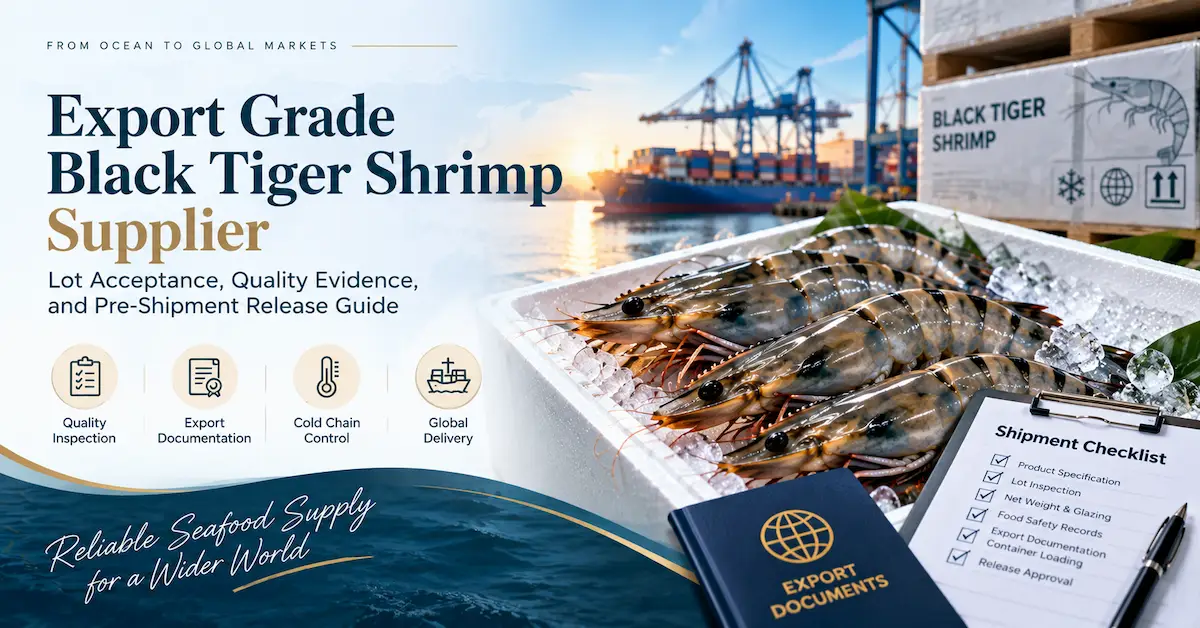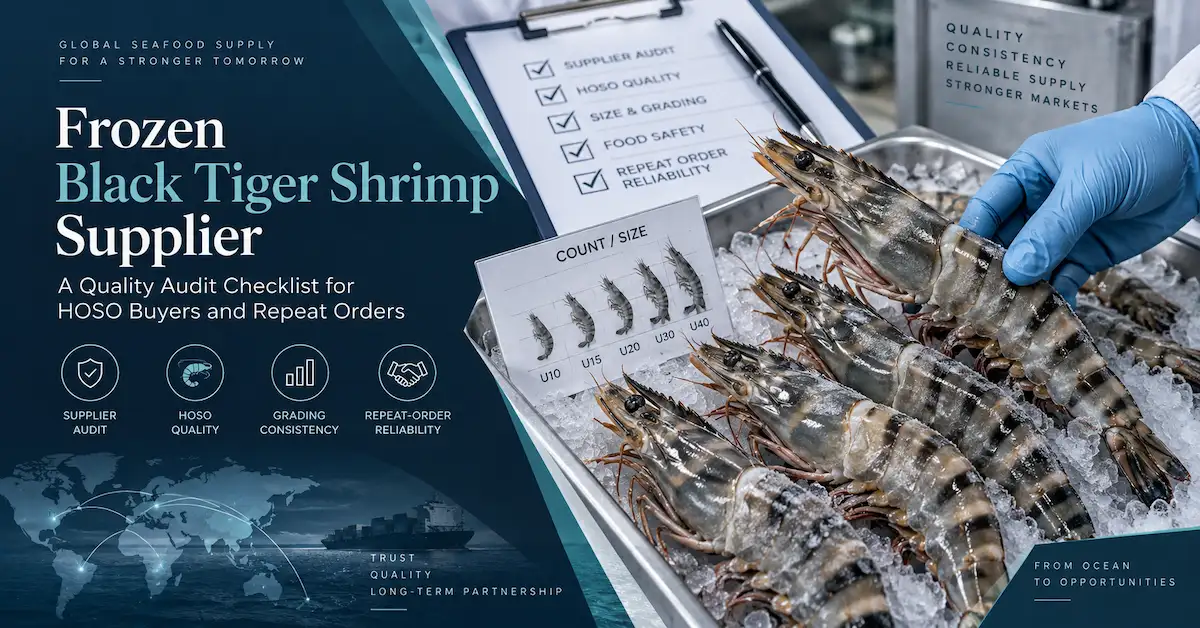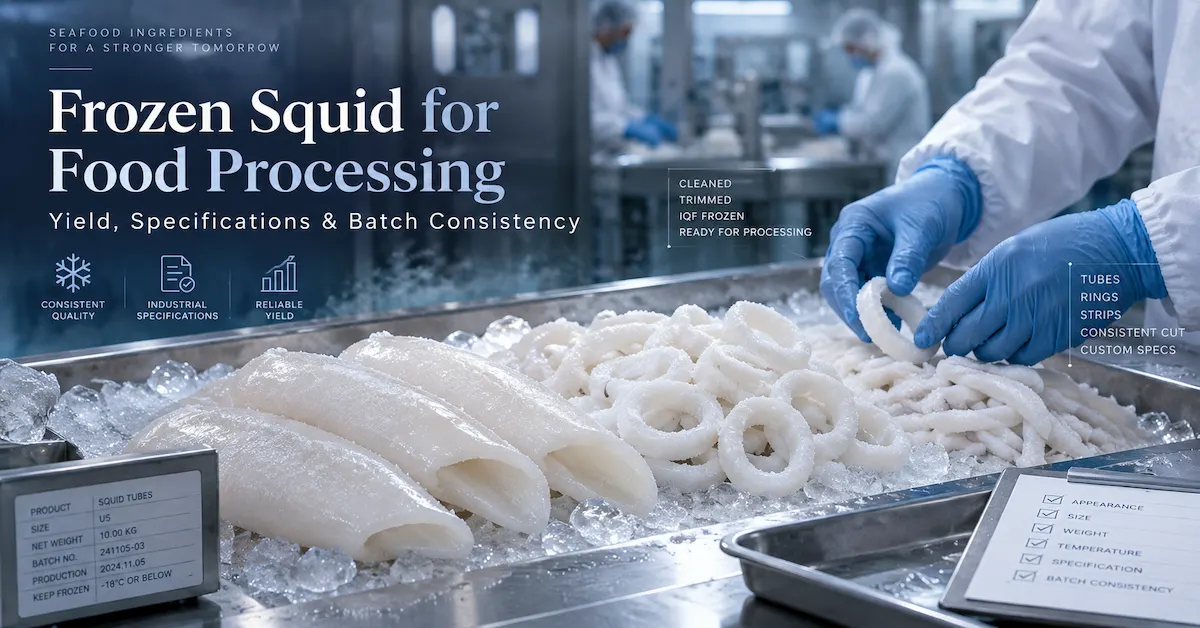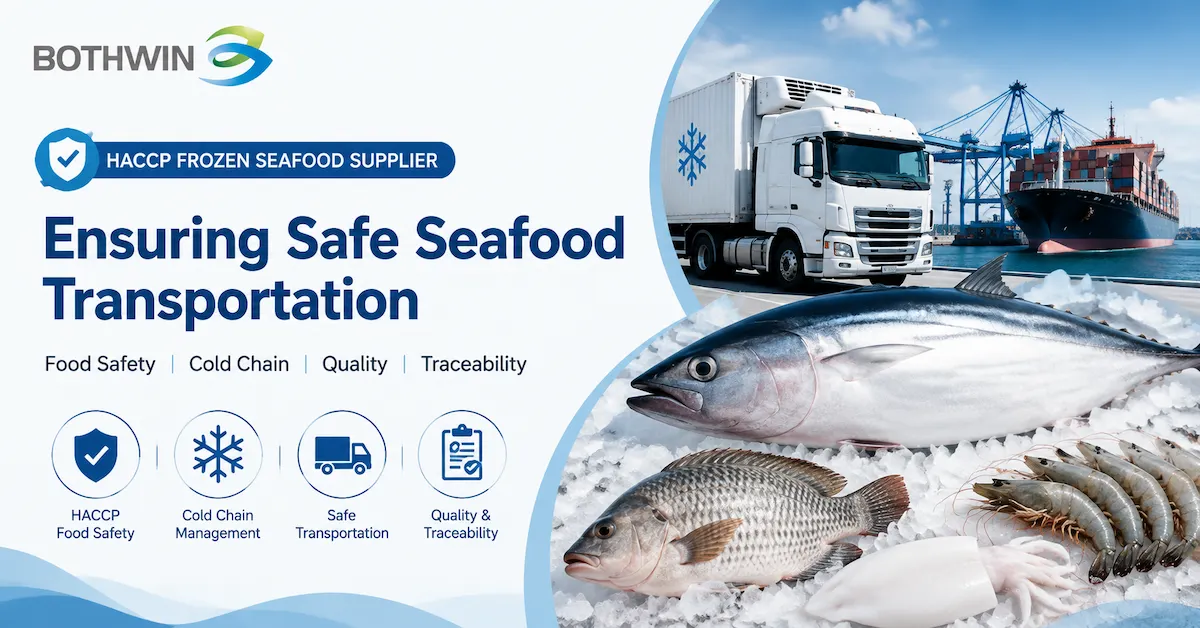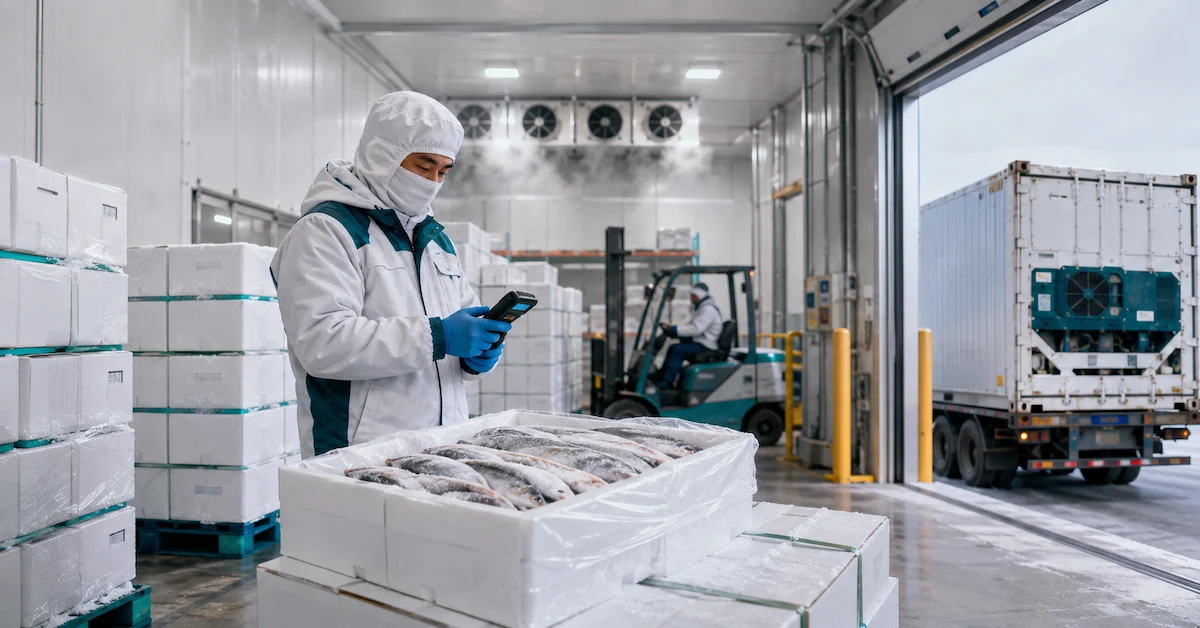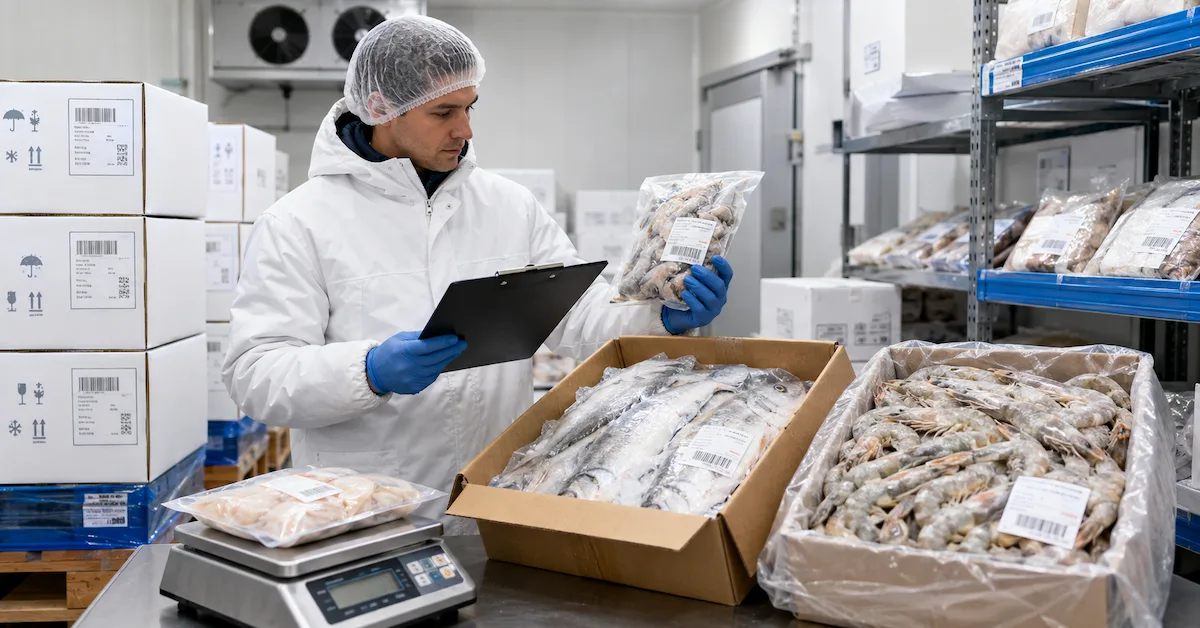


Frozen seafood for food processing is an important raw material category for seafood manufacturers, frozen meal producers, catering suppliers, canned food factories, and value-added food brands. Unlike retail seafood, processing-grade frozen seafood must meet production needs such as stable specifications, predictable yield, consistent texture, reliable cold-chain handling, and bulk supply capacity.
For food processors, the right seafood supplier is not only a product source. It is part of the production chain. Poor seafood consistency can affect finished product quality, labor cost, recipe stability, and customer complaints. A reliable frozen seafood supplier helps manufacturers improve production efficiency and reduce sourcing risk.
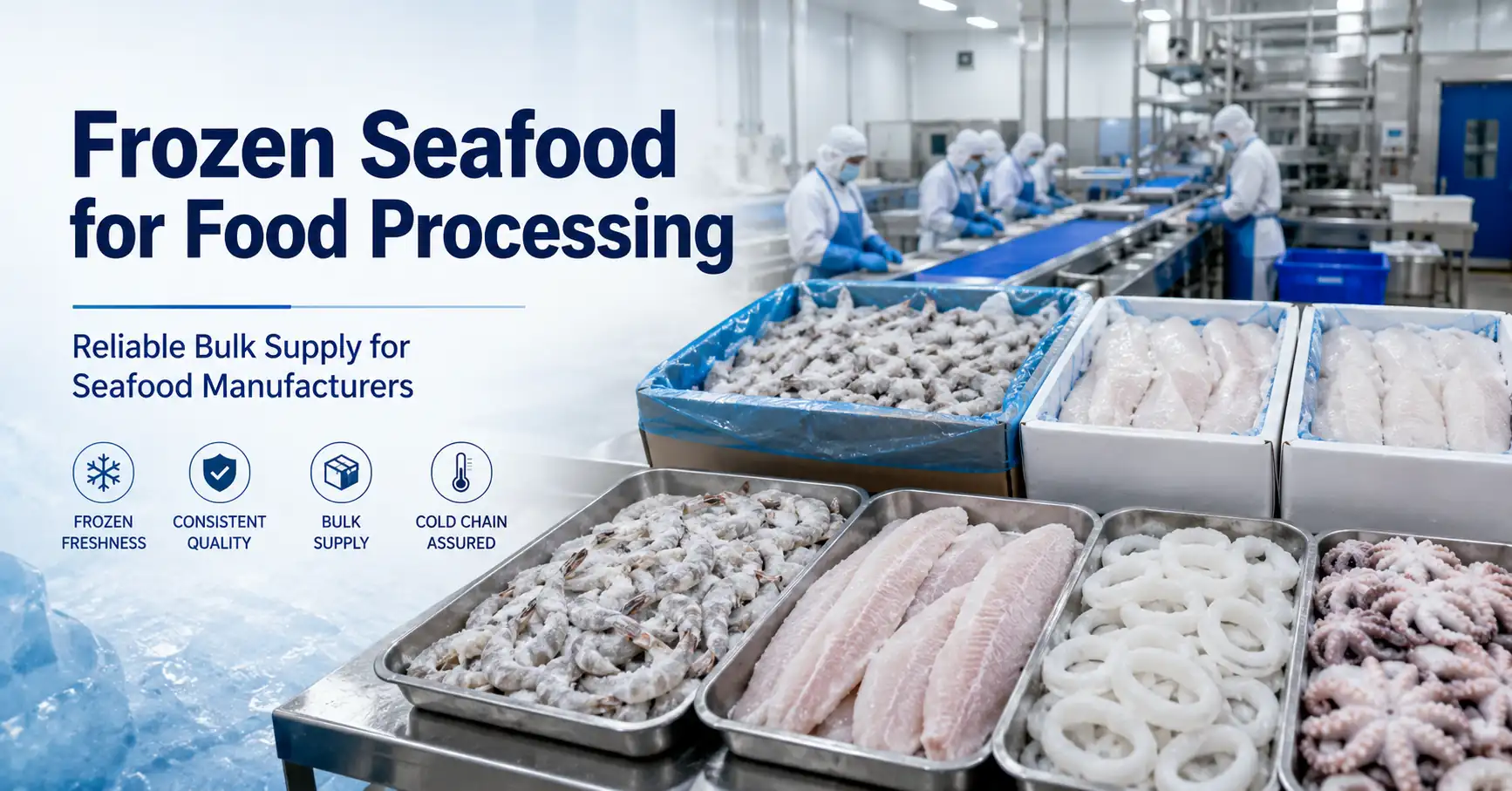
Quick Answer: What Should Food Processors Look for in Frozen Seafood?
Food processors should choose frozen seafood with clear species information, stable size grading, proper freezing method, controlled glazing, strong packaging, and reliable repeat supply. The supplier should understand bulk purchasing, processing yield, cold-chain storage, export documentation, and product matching for different finished food applications.
Key sourcing points include:
- Stable raw material quality
- Consistent size and weight
- Clear net weight and glazing ratio
- Suitable freezing format
- Bulk or processing-friendly packaging
- Cold-chain temperature control
- Repeat order capability
- Sample testing before mass production
Bothwin Food supplies frozen fish, fresh or frozen shrimp, cephalopods, canned goods, spices, and condiments for global B2B buyers. Food processors can explore available product categories on the Products page, learn more through the About Us page, or send sourcing requirements through the Contact Us page.
Why Food Processing Buyers Need Stable Frozen Seafood
Food processing companies usually work with recipes, production schedules, and customer specifications. If raw materials change too much from batch to batch, the finished product becomes difficult to control.
A reliable frozen seafood supply can help processors in several ways.
Consistent Production Yield
For processed foods, yield matters. Excessive glazing, unstable moisture, or inconsistent trimming can change the real usable weight. Buyers should compare products based on net weight and processing yield, not only carton price.
Stable Recipe Performance
Frozen shrimp, fish, squid, and octopus may be used in seafood mixes, dumplings, ready meals, canned foods, soups, sauces, and frozen prepared dishes. Stable texture and size help factories keep the same cooking result.
Better Cost Control
Bulk frozen seafood allows manufacturers to plan production cost more accurately. Stable supply also reduces emergency purchasing and price pressure.
Reduced Labor Waste
Pre-cleaned, peeled, cut, or portioned seafood can reduce manual preparation time and improve factory efficiency.
Main Frozen Seafood Products for Food Processing
A professional supplier should offer product formats that match different processing applications.
1. Frozen Fish for Processing
Frozen fish can be used for fillets, fish portions, ready meals, canned products, soups, sauces, and value-added seafood items.
Common formats include:
- Whole frozen fish
- Headless and gutted fish
- Fish fillets
- Fish portions
- Skin-on or skinless cuts
- Processing-grade fish raw materials
For processors, fish quality should be evaluated by species, freshness before freezing, texture after thawing, portion consistency, and packaging condition.
2. Frozen Shrimp for Processing
Frozen shrimp is widely used in prepared meals, dumplings, seafood mixes, fried products, pasta, salads, and canned products.
Common shrimp options include:
- Head-on shrimp
- Headless shrimp
- Peeled shrimp
- Peeled and deveined shrimp
- IQF shrimp
- Block frozen shrimp
- Raw or cooked shrimp
Food processing buyers should pay attention to size grade, peeling method, glazing ratio, and thawing performance. These details directly affect production cost and final product appearance.
3. Cephalopods: Squid, Octopus, and Cuttlefish
Cephalopods are useful for seafood mixes, frozen meals, fried products, barbecue products, canned foods, and ready-to-cook items.
Common product formats include:
- Squid rings
- Squid tubes
- Whole cleaned squid
- Octopus
- Cuttlefish
- Sliced or diced cephalopod products
For processing factories, cleaning level and cutting format can strongly affect labor cost. A better-matched raw material can help reduce preparation steps.
4. Supporting Food Products
Some food manufacturers also need canned goods, spices, and condiments as part of their production chain. When a supplier can support both seafood and related food products, buyers may reduce sourcing complexity and communication time.
IQF vs Block Frozen Seafood for Processing
Different freezing formats fit different production needs. Food processors should choose based on workflow, cost target, and product application.
| Freezing Format | Features | Best For Food Processing |
|---|---|---|
| IQF seafood | Each piece frozen separately | Flexible portion use, seafood mixes, ready meals |
| Block frozen seafood | Product frozen in bulk blocks | High-volume processing and lower unit cost |
| Vacuum packed seafood | Better protection and appearance | Premium processed products |
| Glazed seafood | Ice layer protects product surface | Long-distance shipping and frozen storage |
IQF seafood is convenient when factories need portion flexibility. Block frozen seafood may be more suitable for large-volume production where the whole batch is processed at once.
Key Quality Factors Food Processors Should Check
Before placing a bulk order, food processors should check technical details carefully. A low price may become expensive if the usable yield is poor.
| Quality Factor | Why It Matters for Processing |
| Species accuracy | Keeps recipe and labeling consistent |
| Size grading | Supports uniform cutting, cooking, and filling |
| Net weight | Affects real material cost |
| Glazing ratio | Changes usable seafood weight |
| Freezing method | Influences texture after thawing |
| Cleaning level | Reduces labor and trimming cost |
| Packaging strength | Protects products during shipping and storage |
| Shelf life | Supports production planning |
| Cold-chain control | Maintains raw material stability |
| Supplier communication | Reduces order errors and delays |
A professional seafood processing supplier should provide clear specifications before shipment. Buyers should avoid vague offers that only list product name and price.
Common Buying Risks in Frozen Seafood Processing
Food processors often buy large quantities. This means small quality differences can become large production problems.
Excessive Glazing
Glazing helps protect seafood, but excessive glazing lowers the real edible weight. Buyers should confirm net weight, gross weight, and glazing ratio before comparing quotations.
Inconsistent Size
Shrimp, fish pieces, and squid cuts with uneven size can create inconsistent filling, cooking, or packaging results.
Poor Thawing Performance
Good frozen seafood should maintain acceptable texture and appearance after thawing. If seafood becomes too soft, watery, or broken, it may not be suitable for production.
Weak Packaging
Long-distance frozen seafood shipments require strong cartons and proper packaging. Damaged cartons may cause product loss and storage problems.
Unstable Supply
Food factories need repeatable production. A supplier should support regular orders, not only one-time shipments.
How to Choose a Frozen Seafood Supplier for Food Processing
Choosing a supplier should be based on both product quality and production suitability.
1. Match Products to Finished Applications
A seafood mix producer may need IQF shrimp, squid rings, and fish portions. A canned food factory may prefer bulk frozen raw materials. A ready-meal manufacturer may need stable portion sizes and clean appearance.
2. Confirm Technical Specifications
Buyers should ask for:
- Species
- Origin
- Size grade
- Processing method
- Net weight
- Glazing ratio
- Freezing method
- Packaging format
- Shelf life
- Storage requirements
These details help buyers compare suppliers accurately.
3. Test Samples Before Mass Production
Samples should be tested in real production conditions. Buyers should check thawing performance, cutting loss, texture, smell, cooking result, and finished product appearance.
4. Review Packaging and Storage Needs
Processing factories often need bulk cartons, block frozen packs, IQF bags, or vacuum packs. Packaging should match factory storage, thawing process, and production flow.
5. Evaluate Long-Term Supply Ability
A good supplier should support repeat orders, product matching, clear communication, and export documentation when required.
Applications of Frozen Seafood in Food Processing
Frozen seafood can be used in many processed food categories.
Ready Meals
Shrimp, fish fillets, squid, and mixed seafood are used in frozen rice meals, pasta, seafood stew, curry, and meal kits.
Seafood Mixes
IQF shrimp, squid rings, mussels, fish pieces, and other seafood can be combined for retail or foodservice seafood mixes.
Canned Foods
Some processors use frozen seafood as raw material for canned seafood products and shelf-stable meal ingredients.
Dumplings and Stuffed Foods
Shrimp and fish materials can be used in dumplings, wontons, buns, and other prepared foods.
Fried and Breaded Products
Fish portions, squid rings, and shrimp can be processed into breaded or fried seafood products for retail and foodservice channels.
Sauces, Soups, and Ingredients
Seafood raw materials can also support soup bases, seafood sauces, and processed food ingredients.
Why Work with Bothwin Food
Bothwin Food supports B2B buyers with seafood and food product supply options, including frozen fish, fresh or frozen shrimp, cephalopods, canned goods, spices, and condiments.
For food processing buyers, Bothwin Food can help match product types, processing formats, packaging needs, and supply plans based on production use. Whether buyers need frozen shrimp for prepared meals, frozen fish for further processing, or cephalopods for seafood mixes, a clear sourcing conversation can help reduce procurement risk.
To review seafood categories, visit the Products page. To understand the company background, visit the About Us page. For product specifications, samples, or quotation requests, contact Bothwin Food through the Contact Us page.
Food Processing Buyer Checklist
Before confirming a bulk order, use this checklist:
- Is the seafood suitable for your finished product?
- Are species and size grade clearly confirmed?
- Is the freezing method suitable for your production flow?
- Is the glazing ratio acceptable?
- Is the net weight clearly stated?
- Does the packaging match your factory storage?
- Has the sample been tested in production?
- Can the supplier support repeat orders?
- Are export documents available when required?
- Can the supplier provide fast quotation and clear communication?
This checklist helps food processors reduce risk and build a stable seafood raw material supply plan.
FAQ
1. What is frozen seafood for food processing?
Frozen seafood for food processing refers to seafood raw materials supplied for factories that produce ready meals, seafood mixes, canned products, fried seafood, dumplings, soups, and other value-added foods.
2. What seafood products are commonly used in food processing?
Common products include frozen fish, shrimp, squid, octopus, cuttlefish, and mixed seafood materials.
3. Is IQF seafood good for food processing?
Yes. IQF seafood is useful when processors need flexible portion control, seafood mixes, ready meals, or products that require separated pieces.
4. Is block frozen seafood suitable for factories?
Yes. Block frozen seafood can be cost-effective for high-volume processing when the whole batch is thawed and processed together.
5. What should processors check before buying frozen seafood?
Processors should check species, size grade, net weight, glazing ratio, freezing method, packaging, shelf life, storage requirements, and supplier communication.
6. Why is glazing ratio important?
Glazing ratio affects the actual usable seafood weight. Too much glazing can increase hidden cost and reduce processing yield.
7. Can food processors request samples before bulk purchase?
Yes. Sample testing is strongly recommended before mass production to check texture, thawing result, yield, smell, and cooking performance.
8. What packaging is best for seafood processing factories?
It depends on the production process. Bulk cartons, block frozen packs, IQF bags, and vacuum packs may all be suitable for different applications.
9. Can Bothwin Food support seafood processing buyers?
Yes. Bothwin Food supplies frozen fish, fresh or frozen shrimp, cephalopods, and related food products for B2B buyers, including processing factories and distributors.
10. How can I request a quotation?
You can contact Bothwin Food with your product type, size grade, order quantity, packaging format, processing use, and destination market to receive a suitable quotation.
Conclusion
Choosing the right frozen seafood for food processing supply partner is essential for stable production, cost control, and finished product consistency. Food processors need more than basic seafood raw materials. They need clear specifications, reliable cold-chain handling, suitable packaging, consistent quality, and long-term supply support.
Bothwin Food provides frozen seafood and related food products for global B2B buyers, including frozen fish, fresh or frozen shrimp, cephalopods, canned goods, spices, and condiments. For food processing seafood sourcing, buyers can contact Bothwin Food to discuss product specifications, sample testing, packaging options, order quantity, and wholesale supply requirements.