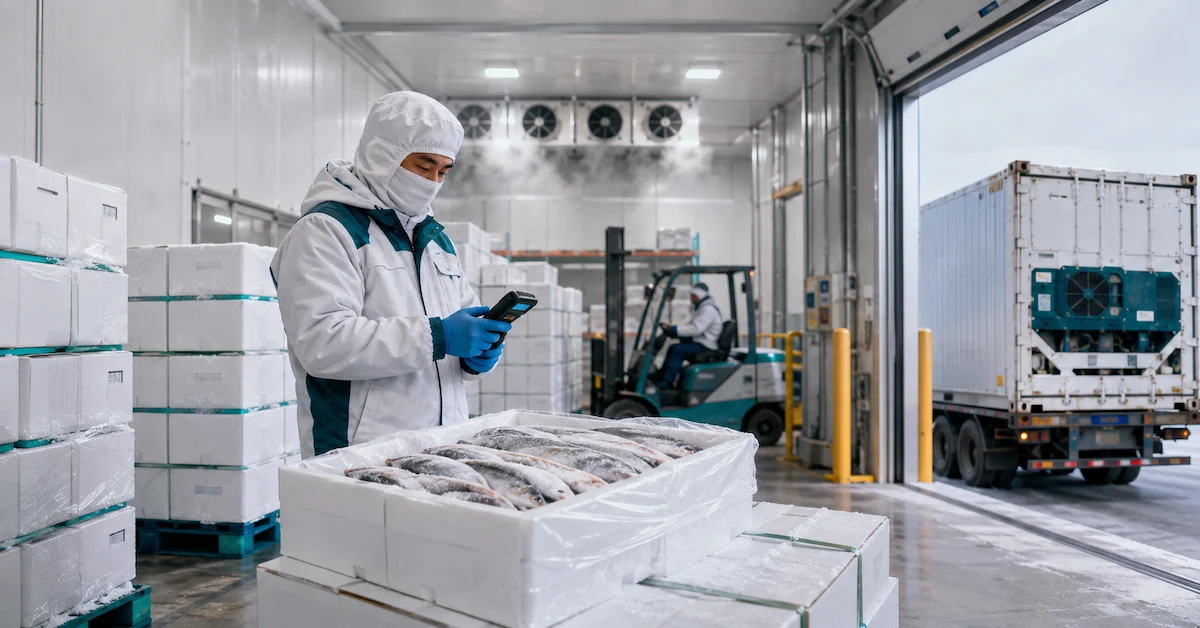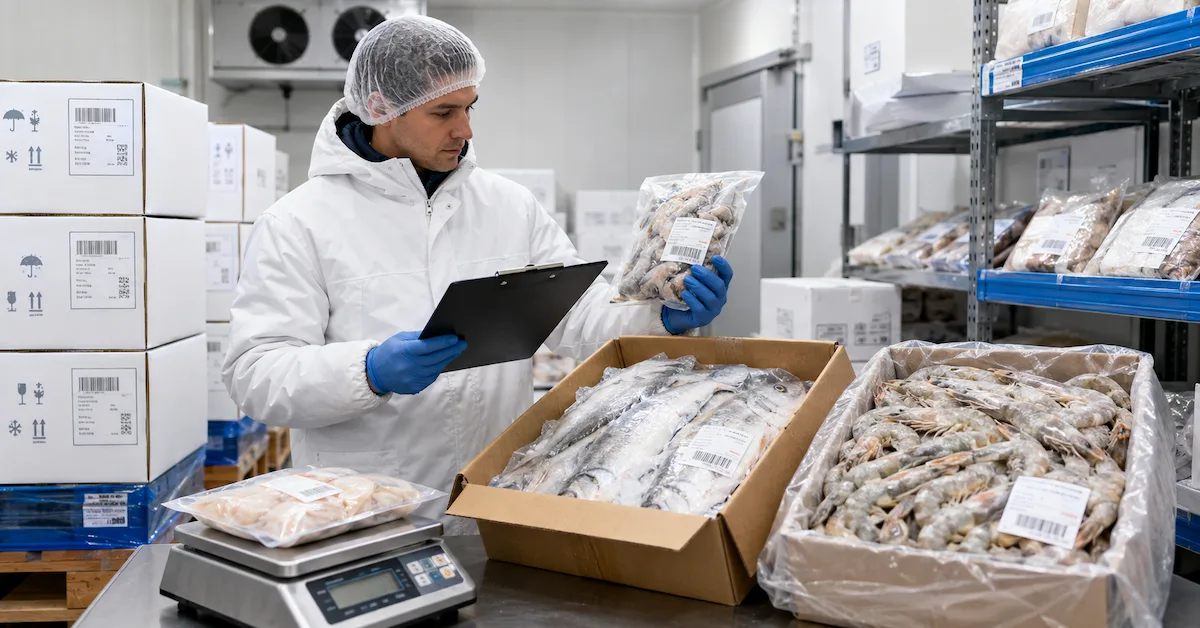


How Does Glazing Percentage Affect Frozen Seafood Cost?
Frozen seafood glazing percentage affects purchasing value because buyers need to distinguish the protective ice layer from the actual seafood quantity they are paying for. A quotation that appears cheaper per carton or per gross kilogram may not be cheaper if the comparison uses different glazing or net-weight bases.
For professional seafood importers, the key questions are therefore:
- How much seafood is actually inside the package?
- Is the quoted weight gross or net?
- Is the glaze included or excluded from declared net contents?
- Are two suppliers using the same specification?
- How will the product be checked before shipment?
Codex's Standard for Quick-Frozen Fish Fillets states that where a product is glazed, the declared net contents should be exclusive of the glaze. FDA likewise states that the net weight of frozen seafood may not include the ice glaze.
This means glazing itself is not the purchasing problem. The problem occurs when buyers compare quotations without clearly understanding glaze, net seafood weight, gross weight, packaging weight, and the basis used to calculate price.
What Is Glazing in Frozen Seafood?
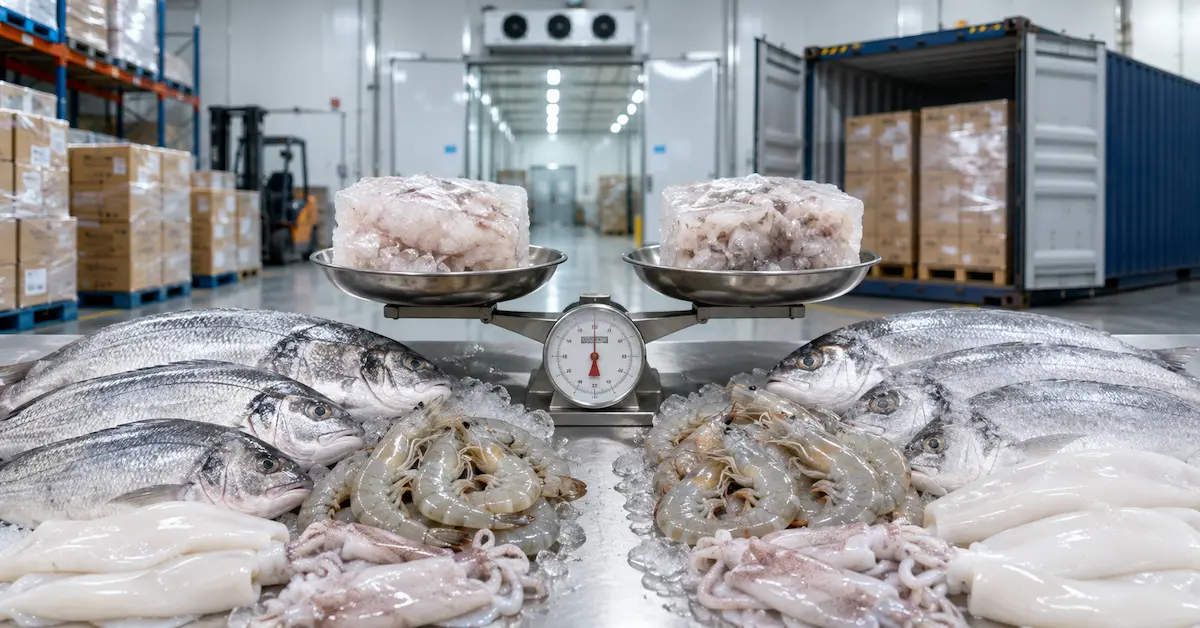
Glazing is a layer of frozen water applied to the surface of frozen seafood.
Its primary purpose is product protection. Codex recognizes glazing in standards for quick-frozen seafood and requires water used for glazing to meet specified potable-water or clean-seawater conditions.
In practical cold-chain terms, the glaze acts as a barrier between the frozen seafood surface and the surrounding freezer environment.
This can help limit:
- surface dehydration
- oxidation
- freezer burn
- quality deterioration during storage
FDA also describes water glazing as a common industry practice used to help protect frozen seafood from freezer burn during storage.
Therefore, buyers should not automatically interpret glazing as a negative feature.
The commercial issue is whether the glazing level and declared product weight are transparent, measurable, and consistent with the purchase specification.
Why Is Glazing Used on Frozen Fish, Shrimp and Squid?
Frozen seafood remains exposed to dry cold air during storage and distribution.
Without sufficient protection, surface moisture can migrate away from the product and contribute to dehydration.
Glazing is particularly relevant for products with exposed surfaces, including:
- fish fillets
- whole frozen fish
- shrimp
- squid
- individually frozen seafood portions
Codex's quick-frozen fish fillet standard specifically requires processing and packaging practices that minimize dehydration and oxidation and recognizes glazing as part of the product specification.
For importers, however, the protective function and the commercial weight must be treated as two separate questions:
Is the seafood adequately protected?
and
How much actual seafood am I buying?
Both must be answered before an order is confirmed.
What Does Frozen Seafood Glazing Percentage Mean?
In commercial discussions, a glazing percentage usually describes the relationship between the ice glaze and the frozen seafood product.
However, buyers should not assume every quotation calculates the percentage from exactly the same base.
A supplier may discuss:
- glaze as a percentage of the glazed product weight
- deglazed seafood weight
- gross frozen weight
- declared net contents
Different terminology can create confusion even when two people use the same percentage.
Therefore, instead of writing only:
20% glazing
a professional RFQ should define:
- how glazing percentage is calculated
- gross glazed product weight
- deglazed seafood weight
- declared net weight
- acceptable tolerance
- inspection method
The safest purchasing principle is:
Never compare glazing percentages until the calculation basis is the same.
Does Glazing Count Toward Frozen Seafood Net Weight?
For products covered by the relevant Codex standard, the answer is clear: where quick-frozen fish fillets are glazed, the declared net contents are exclusive of the glaze.
FDA's policy for the U.S. market is also explicit: frozen seafood net weight may not include the weight of glazing ice. FDA explains that including ice glaze in net weight can overstate the declared quantity of seafood.
This distinction is especially important for importers selling into regulated retail markets.
Buyers should distinguish four separate numbers:
| Weight Term | What Buyers Need to Understand |
|---|---|
| Gross shipment weight | Product + packaging and other applicable weight |
| Glazed frozen weight | Seafood with protective ice layer |
| Declared net contents | Seafood quantity under applicable labeling rules |
| Packaging weight | Carton, bag, film or other packing materials |
When preparing a contract, quotation comparison, or inspection plan, do not allow these terms to be used interchangeably.
Why Net Weight Is a Real Commercial Risk
Short weighting is not only a theoretical issue.
In September 2025, FDA reported results from a 2022–2024 sampling assignment involving 28 imported retail-packaged frozen seafood samples. Ten samples—36%—were found violative, with short weights ranging from 2.3% to 9.9%; FDA stated that the violative shipments were refused entry.
FDA explains that short weighting can occur when the declared net seafood weight improperly includes added water glaze or ice.
For importers, this creates several possible risks:
- receiving less seafood than expected
- incorrect unit-cost calculations
- labeling problems
- customer claims
- regulatory action
- reduced resale margin
This is why frozen fish net weight should be treated as a purchasing specification, not merely a packaging detail.
How Can Glazing Change the Real Cost of Frozen Seafood?
Consider a simplified commercial example.
Assume two suppliers are discussing cartons on a gross glazed-product basis for internal quotation comparison. This example is only a purchasing model; it is not a labeling rule or universal regulatory calculation.
| Factor | Supplier A | Supplier B |
| Glazed seafood quantity | 10 kg | 10 kg |
| Illustrative glaze share | 20% | 10% |
| Illustrative usable seafood | 8 kg | 9 kg |
| Carton price | USD 20 | USD 21 |
| Effective cost per usable kg | USD 2.50 | USD 2.33 |
Supplier A looks cheaper:
USD 20 vs USD 21 per carton.
But after adjusting the simplified example for usable seafood:
Supplier A:
USD 20 ÷ 8 kg = USD 2.50/kg
Supplier B:
USD 21 ÷ 9 kg = USD 2.33/kg
Supplier B has the higher carton price but lower effective seafood cost.
This illustrates an important purchasing principle:
Do not compare quotations using carton price alone when the weight bases are different.
If both suppliers quote correctly on the same deglazed net-weight basis, this adjustment may already be reflected in the quotation. Buyers must first understand what the quoted kilogram actually represents.
A Better Formula for Buyer Decision-Making
For internal procurement analysis, buyers can use:
Effective seafood cost = total seafood purchase cost ÷ verified usable seafood quantity
This is a purchasing comparison model rather than an official regulatory formula.
A more complete landed-cost analysis may also consider:
- freight
- duties
- cold storage
- handling
- repacking
- processing yield
- product rejection
- customer claims
The goal is not simply to find the lowest USD/kg number.
The goal is to understand:
How much saleable or processable seafood does the buyer receive for the total cost?
This principle connects directly with the broader quotation process explained in Bothwin's Frozen Seafood Quotation Guide.
How Can Buyers Compare Two Frozen Seafood Quotations?
Before comparing price, normalize the product specifications.
Step 1: Confirm the Same Species
Do not compare two products simply because both are called “frozen fish.”
Confirm the agreed species or commercial identity.
Step 2: Confirm the Same Size Grade
Size affects:
- raw-material cost
- piece count
- foodservice application
- resale channel
Step 3: Confirm the Same Processing Form
Compare like with like:
- whole vs whole
- gutted vs gutted
- fillet vs fillet
- steak vs steak
Step 4: Confirm the Same Freezing Method
IQF and block-frozen products may fit different handling systems.
Step 5: Confirm Glazing Basis
Ask:
- What does the percentage represent?
- How will it be measured?
- What tolerance applies?
Step 6: Confirm Declared Net Weight
The supplier should clearly identify the agreed seafood quantity independently of packaging and, where applicable, glaze.
Step 7: Confirm the Same Packaging and Trade Terms
Finally compare:
- inner packs
- cartons
- private labels
- quantity
- FOB/CIF or other agreed term
Only after these variables are aligned does a frozen seafood quotation comparison become commercially meaningful.
For buyers managing full-container purchases, Bothwin's Bulk Frozen Seafood Supplier Guide also discusses specification control, packaging, cold-chain handling and repeat-order consistency.
How Does Glazing Affect Whole Frozen Tilapia?
Whole frozen tilapia is a common wholesale product where buyers may compare:
- fish size
- IQF vs block frozen
- glazing
- net weight
- carton configuration
If two tilapia quotations use different glazing or weight bases, the cheaper price per carton may not represent the better commercial offer.
Wholesale buyers should define:
- size grade
- freezing method
- agreed glazing basis
- seafood net weight
- carton weight
- quantity
Bothwin's current product range includes Whole Frozen Tilapia for Export as part of its frozen seafood offering.
For tilapia procurement, glazing should be evaluated together with size consistency and final sales channel, not as an isolated percentage.
How Does Glazing Affect Frozen Squid?
Squid purchasing can be even more sensitive to specification differences.
A frozen squid quotation may vary according to:
- species
- whole or cleaned form
- tube/ring processing
- size
- freezing
- glazing
- net weight
- packing
Therefore:
“Frozen squid, 20% glaze”
is not enough information for professional procurement.
The RFQ should define what the buyer means by net seafood quantity and how the final product will be checked.
This helps prevent a situation where two apparently similar squid quotations represent different amounts of actual product.
How Does Glazing Affect Frozen Shrimp?
Frozen shrimp is another important category because individual frozen pieces may be glazed for protection.
For shrimp buyers, the commercial specification can include:
- species
- product form
- count/size
- glazing
- net contents
- freezing format
- packing
Codex's Standard for Quick-Frozen Shrimps or Prawns specifically addresses glazing and net-weight determination for glazed products.
The principle remains the same:
protective glazing and declared seafood quantity must be clearly distinguished.
How Does Glazing Affect Frozen Fish Fillets?
Fillets have relatively large exposed surfaces and can be susceptible to dehydration during frozen storage.
Codex's quick-frozen fish fillet standard recognizes glazing and also defines dehydration as a product defect when excessive moisture loss affects sufficient surface area.
For fillet importers, relevant questions include:
- Is the product individually glazed?
- Is the glaze uniform?
- What is the declared net content?
- Is there visible freezer burn?
- Does the packaging provide additional protection?
This is why a technically appropriate glazing specification should balance product protection with transparent commercial weight.
What Should Importers Write in a Frozen Seafood RFQ?
A strong RFQ should not say only:
Frozen fish, 10% glaze, please quote.
Instead, include:
| RFQ Item | What to Specify |
| Seafood | Exact product/species |
| Form | Whole, fillet, shrimp form, squid form, etc. |
| Size | Required commercial grade |
| Freezing | IQF, block or agreed method |
| Glazing | Percentage and calculation basis |
| Net weight | Required seafood quantity |
| Tolerance | Acceptable variance |
| Packaging | Inner bag/carton/retail pack |
| Quantity | Pallet/FCL/multiple containers |
| Destination | Country/port |
| Application | Wholesale, retail, foodservice, processing |
| Inspection | Agreed test/acceptance method |
This structure helps suppliers quote against the same requirement.
Buyers preparing a new seafood order can also review Bothwin's seafood products before sending product-specific specifications.
What Should Be Written in the Purchase Contract?
For bulk orders, key commercial terms should not remain as informal WhatsApp or email descriptions.
Where relevant, the purchase specification should define:
Product Identity
- species/product
- processing form
- size grade
Glazing
- required level
- calculation basis
- tolerance
Net Contents
- seafood net quantity
- carton/pack quantity
- applicable labeling basis
Inspection
- sampling method
- weighing method
- deglazing procedure
- acceptance criteria
Dispute Handling
- applicable inspection evidence
- notification period
- agreed corrective process
The actual wording should reflect the importing market's laws and the buyer's commercial agreement.
For regulated markets, buyers should have their importer, compliance team or other qualified adviser confirm applicable labeling and net-content rules rather than relying only on supplier terminology.
How Should Importers Inspect Glazing Before Shipment?
The inspection method should be agreed before production, not invented after a dispute appears.
A buyer may require a pre-shipment check of:
- random cartons
- declared net weight
- product size
- glazing condition
- packaging integrity
- batch identity
For U.S. short-weight investigations involving IQF glazed seafood, FDA currently recommends AOAC Official Method 963.18 for applicable glazed seafood testing and provides specific sampling and analysis instructions.
FDA's method guidance also emphasizes documented sample weights, declared label weight, product condition and photographic records in the regulatory testing context.
Importers should not automatically copy a regulatory enforcement sampling protocol into every commercial contract. Instead, they should agree on a commercially appropriate inspection method that is compatible with the destination market and product.
What Are Common Glazing Mistakes Importers Make?
Mistake 1: Comparing Price Per Carton Only
Carton price tells you little if usable seafood quantities differ.
Mistake 2: Treating Gross Weight as Seafood Net Weight
Packaging, ice and seafood must be clearly distinguished.
Mistake 3: Writing Only “10% Glazing”
Without a calculation basis or tolerance, the specification may remain ambiguous.
Mistake 4: Comparing Different Size Grades
Glazing is only one pricing variable. Fish size or shrimp count can also change the quotation.
Mistake 5: Ignoring Inspection Method
If buyer and supplier measure the product differently, a dispute becomes harder to resolve.
Mistake 6: Assuming More Glaze Is Always Bad
Glazing has a legitimate protective function. The issue is whether the product is properly protected and transparently sold.
Mistake 7: Ignoring Destination-Market Rules
Net-content and labeling requirements must follow the applicable importing market.
Frozen Seafood Glazing Buyer Checklist
Before confirming a bulk frozen seafood order, check:
-
Exact seafood species confirmed
-
Product form confirmed
-
Size grade confirmed
-
Freezing method confirmed
-
Glazing percentage defined
-
Glazing calculation basis defined
-
Net seafood weight defined
-
Gross/carton weight understood
-
Packaging weight understood
-
Weight tolerance agreed
-
Inspection method agreed
-
Sampling method agreed
-
Destination-market rules checked
-
Quotation uses comparable terms
-
Purchase contract reflects the specification
This checklist converts glazing from a vague technical term into a measurable procurement variable.
How Bothwin Fits Into Frozen Seafood Specification Management
Bothwin Development (HK) Limited currently positions its seafood business around frozen seafood supply, specification matching, export packing and international B2B sourcing for importers, wholesalers and foodservice distributors.
For glazing-sensitive products, buyers should send Bothwin the exact:
- seafood product
- size
- processing form
- freezing requirement
- glazing requirement
- net-weight basis
- packaging
- quantity
- destination
rather than requesting a generic frozen seafood price.
You can explore Bothwin's seafood product range or contact Bothwin with a complete specification for product-specific discussion.
FAQ About Frozen Seafood Glazing Percentage
What is glazing in frozen seafood?
Glazing is a protective layer of frozen water applied to frozen seafood. FDA describes water glazing as a common practice that helps protect seafood against freezer burn during storage.
Why is frozen seafood glazed?
Its main purpose is protection during frozen storage, particularly against surface dehydration and related quality deterioration. Codex standards recognize glazing as part of quick-frozen seafood processing.
Does glazing count as seafood net weight?
For Codex quick-frozen fish fillets, declared net contents of glazed products are exclusive of the glaze. FDA also states that frozen seafood net weight may not include ice glaze.
What does 10% glazing mean?
It means little commercially unless the quotation also explains how the percentage is calculated. Buyers should define the calculation base, net seafood quantity and tolerance rather than relying on the percentage alone.
Can a higher-glazing product have a higher real cost?
Yes, if quotations are being compared on inconsistent gross/glazed weight bases. Buyers should normalize the specifications and compare the cost against verified usable seafood quantity.
Is higher glazing always worse?
No. Glazing performs a legitimate protective function. The concern is excessive, inconsistent or commercially unclear glaze—not glazing itself.
How should importers compare two frozen seafood quotes?
Make sure both quotations use the same species, size, processing form, freezing method, glazing basis, net weight, packaging, order quantity and trade term before comparing price.
How can buyers verify frozen seafood net weight?
Use an agreed sampling and deglazing method appropriate to the product and destination market. FDA currently recommends AOAC 963.18 in certain U.S. short-weight testing situations involving glazed seafood.
Why is this important for U.S. importers?
FDA treats improper inclusion of glaze in seafood net weight as a short-weighting concern. In a 2022–2024 sampling assignment reported in 2025, 10 of 28 tested imported retail frozen seafood samples were found violative for short weight.
What information should I send Bothwin about glazing?
Provide the product, size, processing form, freezing method, required glazing and its calculation basis, seafood net weight, packaging, quantity and destination through Bothwin's contact page.
Conclusion
Frozen seafood glazing percentage should be treated as both a product-protection specification and a purchasing-cost variable.
For importers, the important question is not simply whether a product has 5%, 10% or 20% glazing. The real question is whether the supplier and buyer are using the same definitions for glaze, net seafood weight, gross weight, tolerance and inspection method.
A cheaper carton can become a more expensive purchase when quotations are compared using inconsistent weight bases. Conversely, appropriate glazing can play a useful role in protecting seafood quality during frozen storage.
The strongest procurement approach is therefore:
define the product → define glazing → define net weight → define inspection → normalize quotations → compare usable seafood value.
For your next frozen fish, tilapia, shrimp, squid or other seafood order, explore Bothwin's frozen seafood products and send a detailed RFQ through Contact Bothwin.