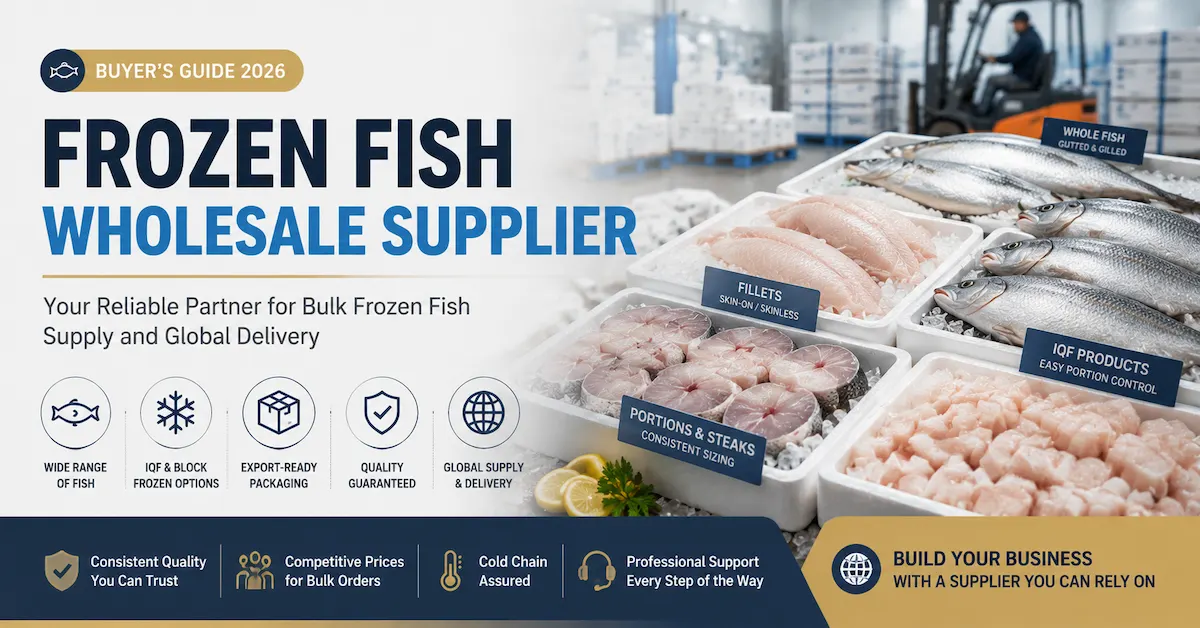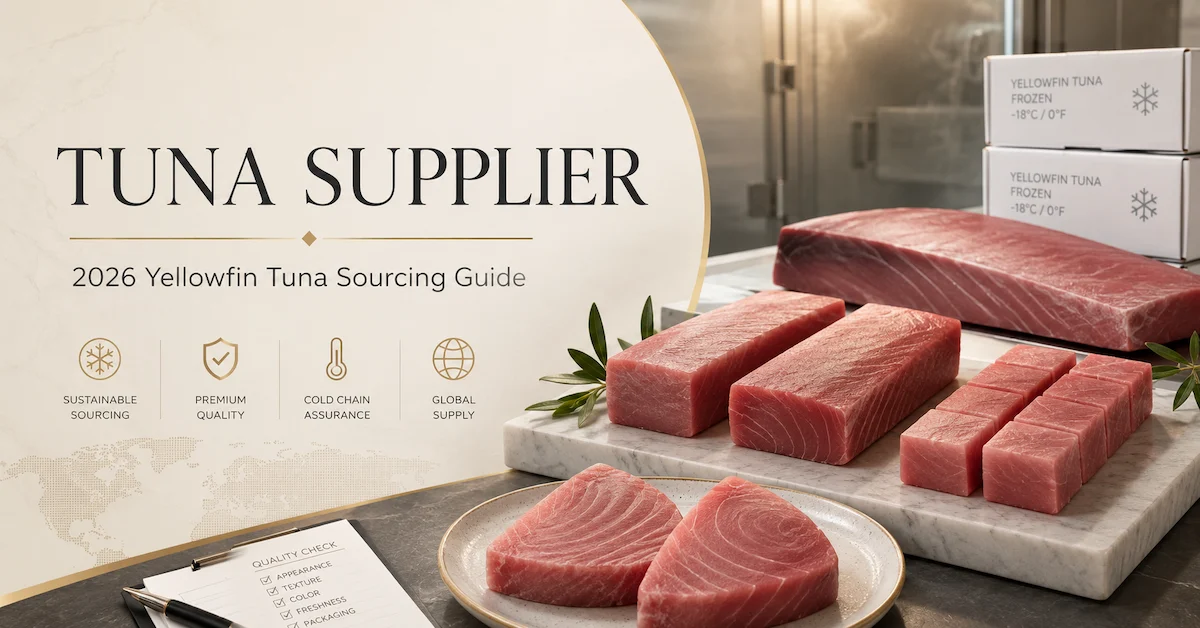


Understanding what do seafood importers check before buying helps suppliers prepare stronger quotations and helps buyers avoid expensive sourcing mistakes. Professional seafood importers rarely choose products based only on photos or the lowest quoted price.
Before purchasing frozen fish, shrimp, squid, octopus, shellfish, or mixed seafood, importers normally review the supplier’s identity, product species, processing format, size grade, net weight, glazing ratio, packaging, cold-chain capability, documents, sample performance, payment terms, and repeat supply capacity.
A small difference in product specifications can create a significant cost difference across a full container. Higher glazing, inconsistent sizes, weak cartons, poor thawing performance, or incomplete documentation may turn an apparently low price into a costly purchase.
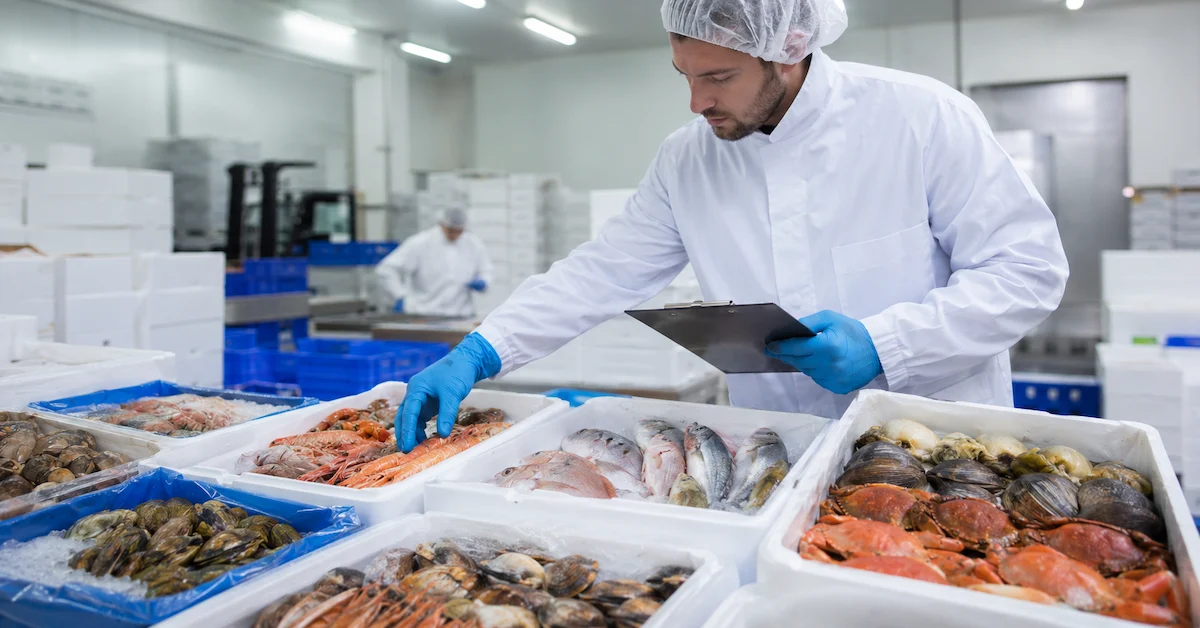
Quick Answer: What Do Seafood Importers Check Before Buying?
Seafood importers check whether the supplier is legitimate, whether the product matches the required specification, and whether the seafood can remain stable during freezing, storage, export, customs clearance, and local distribution.
The main purchasing checks include:
- Supplier registration and export experience
- Commercial and scientific species names
- Wild-caught or farmed origin
- Product processing format
- Size or count grade
- Net weight and glazing ratio
- IQF or block freezing method
- Sample quality after thawing
- Packaging strength and label accuracy
- Cold-chain management
- Required export documents
- Food safety and quality-control records
- Incoterm and payment terms
- Inspection arrangements
- Production lead time
- Repeat supply capability
Bothwin Food supplies frozen fish, fresh or frozen shrimp, cephalopods, canned goods, spices, and condiments for international B2B buyers. Importers can explore available categories through the Products page, learn more about the business on the About Us page, or send detailed purchasing requirements through the Contact Us page.
Seafood Importer Pre-Purchase Checklist
| Purchasing Check | What the Importer Wants to Confirm | Main Risk Reduced |
|---|---|---|
| Supplier identity | Legal company and responsible seller | Fraud and payment risk |
| Seafood species | Correct commercial and scientific name | Labeling and compliance risk |
| Processing format | Product fits the intended application | Market mismatch |
| Size grading | Stable count or piece weight | Pricing and customer complaints |
| Net weight | Actual quantity of seafood | Hidden cost |
| Glazing ratio | Acceptable protective ice level | Excess ice-weight risk |
| Sample quality | Texture, smell, color, and yield | Bulk quality risk |
| Packaging | Strong and suitable for the market | Product damage |
| Cold chain | Stable frozen handling | Thawing and shelf-life risk |
| Documents | Correct export and import paperwork | Customs delays |
| Price terms | Clear cost basis and Incoterm | Unexpected landed cost |
| Supply capacity | Reliable future availability | Supply interruption |
1. Supplier Identity and Business Legitimacy
The first question from a serious importer is often not “What is your lowest price?” It is “Who is responsible for this shipment?”
Importers may verify:
- Registered company name
- Business address
- Official website
- Business email domain
- Export experience
- Main product categories
- Processing factory or sourcing partner
- Bank account beneficiary
- Existing export markets
- Quality-control responsibility
The company name should remain consistent across the contract, pro forma invoice, commercial invoice, bank account, packing list, and shipping documents.
Buyers may become cautious when payment is requested to an unrelated account, when the supplier avoids providing company information, or when company and bank details change without a clear explanation.
2. Exact Seafood Species
Seafood names vary between countries and sales channels. One commercial name may refer to several species, while similar-looking species can have different values, labeling rules, or customer expectations.
Importers may request:
- Commercial product name
- Scientific species name
- Country or sourcing area
- Wild-caught or farmed status
- Catch area where relevant
- Processing location
- Product form
For frozen fish, species accuracy affects customs classification, resale value, menu descriptions, and labeling.
For shrimp, buyers may need to distinguish whiteleg shrimp, black tiger shrimp, or another commercial species.
A reliable supplier should be able to identify exactly what is included in the quotation.
3. Product Processing Format
The same seafood species can be supplied in several formats, each with different costs and applications.
Frozen Shrimp Formats
- Head-on shell-on
- Headless shell-on
- Peeled
- Peeled and deveined
- Tail-on or tail-off
- Raw or cooked
- IQF or block frozen
Frozen Fish Formats
- Whole round
- Headless and gutted
- Filleted
- Portioned
- Skin-on or skinless
- Bone-in or boneless
Squid and Cephalopod Formats
- Whole
- Cleaned
- Tubes
- Rings
- Tentacles
- Sliced or diced
Restaurants may prefer portion-ready products. Supermarkets may require attractive retail formats. Processing factories may prefer bulk raw materials that fit their production flow.
Importers check whether the quoted processing format matches the final sales channel before comparing prices.
4. Size Grade and Product Consistency
Size grading affects product value, cooking time, retail presentation, portion cost, and processing yield.
Shrimp may be graded by count per pound or kilogram. Fish fillets may be graded by individual piece weight. Squid and octopus may be grouped by body size, weight, or cutting format.
Importers may check:
- Declared size grade
- Permitted grade tolerance
- Percentage of undersized pieces
- Percentage of oversized pieces
- Piece uniformity
- Broken-piece allowance
- Count accuracy
- Sorting method
Consistent grading is particularly important for restaurant chains, supermarkets, foodservice distributors, and processing factories.
A shipment with unstable sizing may be difficult to resell even if the seafood remains safe to eat.
5. Net Weight and Glazing Ratio
One of the most important answers to what do seafood importers check before buying is the amount of usable seafood inside each package.
Glazing is a protective ice layer applied to frozen seafood. A reasonable amount of glazing can reduce dehydration and freezer burn. Excessive glazing, however, lowers the actual amount of seafood received.
Importers usually confirm:
- Gross weight
- Declared net weight
- Glazing percentage
- Packaging weight
- Drained weight where relevant
- Whether pricing is based on net or gross weight
- Permitted weight tolerance
- Inspection method
Two quotations should only be compared when species, processing method, grade, net weight, glazing, and packaging are equivalent.
A cheaper carton may cost more per kilogram of usable seafood when glazing is higher.
6. Sample Quality and Thawing Performance
Professional importers often request samples before approving a new supplier or product.
A sample should be checked both while frozen and after thawing.
Common tests include:
- Frozen appearance
- Size consistency
- Glazing level
- Weight accuracy
- Packaging quality
- Odor after thawing
- Color after thawing
- Texture
- Drip loss
- Broken pieces
- Cooking performance
- Processing yield
Testing should reflect the real application.
Restaurants should test portion consistency and cooking performance. Supermarkets should evaluate package presentation and product appearance. Food processors should measure thawing loss, cutting yield, and recipe consistency.
The approved sample should be connected to a written specification so that the bulk order has a clear quality reference.
7. Frozen Seafood Quality Indicators
Seafood importers inspect both visible and hidden quality indicators.
They may look for:
- Natural product color
- No unusual discoloration
- No excessive frost inside sealed packaging
- No severe freezer burn
- No strong unpleasant odor after thawing
- Acceptable firmness
- Reasonable moisture retention
- Clean cutting and processing
- Limited broken pieces
- Stable cooking performance
Importers also want to know whether the same quality can be maintained across repeat shipments.
A good sample is valuable, but long-term consistency is more important for supermarkets, wholesalers, restaurant chains, and processing factories.
8. Food Safety and Quality-Control Procedures
Importers may ask how the supplier or processing factory controls seafood quality from raw material receiving to final loading.
Important control areas include:
- Raw material inspection
- Hygiene and sanitation
- Processing temperature
- Product grading
- Glazing control
- Metal detection where applicable
- Packaging inspection
- Label verification
- Batch coding
- Frozen storage
- Final product inspection
- Traceability
- Recall procedures
Depending on the destination and company policy, importers may request HACCP-related records, audits, laboratory reports, establishment approval information, or other food safety documents.
Certificates should be reviewed for:
- Correct company or factory name
- Processing establishment
- Product scope
- Validity period
- Issuing organization
- Relevance to the destination market
A certificate supports supplier evaluation, but it does not replace sample approval and shipment inspection.
9. Cold-Chain Capability
Frozen seafood quality depends on temperature stability from processing to final delivery.
Most frozen seafood is commonly stored and transported at approximately -18°C or below, depending on product specifications and destination requirements.
Importers may ask:
- How is the seafood frozen?
- What temperature is used in frozen storage?
- Is cold-room temperature monitored?
- How is the reefer container prepared?
- What container set point is used?
- How long does loading normally take?
- Can a temperature data logger be added?
- How are shipment delays managed?
- How are temperature-related claims investigated?
Cold-chain failure can cause partial thawing, refreezing, large ice crystals, moisture loss, soft texture, freezer burn, and shorter effective shelf life.
10. Packaging Strength and Label Accuracy
Packaging must survive frozen storage, container transport, unloading, and local distribution.
Importers may check:
- Inner packaging material
- Bag thickness
- Seal strength
- Vacuum integrity
- Pack weight
- Carton strength
- Moisture resistance
- Carton dimensions
- Shipping marks
- Batch number
- Production date
- Best-before date
- Storage instructions
- Product name and species
- Country of origin
- Label language
- Barcode information
Packaging should match the intended sales channel.
| Packaging Format | Typical Buyer |
| Bulk cartons | Wholesalers and processors |
| IQF bags | Restaurants and foodservice distributors |
| Vacuum packs | Premium fish and retail channels |
| Retail bags | Supermarkets and private-label brands |
| Foodservice packs | Hotels, restaurants, and caterers |
| Block frozen packs | High-volume food factories |
For custom packaging, buyers usually approve artwork and physical packaging samples before mass production.
11. Export and Import Documents
Required seafood documentation depends on the destination, species, origin, and processing format.
Importers may request:
- Commercial invoice
- Packing list
- Bill of lading
- Certificate of origin
- Official health certificate
- Product specification sheet
- Catch certificate where applicable
- Laboratory report where required
- Insurance certificate
- Temperature records
- Market-specific declarations
- Import permit information
The importer or customs broker should provide a written document checklist before production begins.
Product names, species, weights, container numbers, seal numbers, and consignee details should remain consistent across all documents.
12. Real Landed Cost
Professional importers compare more than FOB or CIF unit prices.
The landed cost may include:
- Product price
- Packaging
- Freight
- Insurance
- Customs duties
- Taxes
- Customs clearance
- Inspection
- Port fees
- Cold storage
- Local delivery
- Financing
- Processing loss
- Product claims
- Replacement risk
A product with a slightly higher purchase price may provide better value when it has lower glazing, stronger packaging, better yield, and fewer customer complaints.
Serious importers compare usable value, not only the quoted carton price.
13. Payment and Commercial Terms
Importers evaluate financial risk alongside seafood quality.
Important commercial terms include:
- MOQ
- Deposit requirement
- Balance payment timing
- Accepted currency
- Incoterm
- Production lead time
- Shipment date
- Quotation validity
- Inspection rights
- Required documents
- Quality tolerance
- Claims procedure
- Compensation or replacement terms
New suppliers may receive more cautious payment structures until a successful order history is established.
Private-label packaging may require a larger deposit because customized materials are difficult to resell to another customer.
14. Production and Repeat Supply Capacity
Seafood importers usually want a supplier that can support future orders rather than a single shipment.
They may ask:
- What is the normal monthly capacity?
- Is the seafood seasonal?
- How stable is raw material supply?
- What is the typical lead time?
- Can specifications remain consistent?
- Can packaging be repeated accurately?
- Is backup sourcing available?
- How are shortages communicated?
- Can several seafood categories be combined?
For wholesalers, restaurant chains, and supermarkets, reliable continuity can be more valuable than achieving the lowest initial price.
15. Supplier Communication Quality
Professional communication reduces mistakes before and after shipment.
Importers prefer suppliers that:
- Answer technical questions clearly
- Confirm specifications in writing
- Explain product differences
- Identify unavailable products honestly
- Provide realistic lead times
- Present packaging alternatives
- Review document requirements early
- Share production updates
- Respond to quality concerns
- Support repeat orders
Warning signs include vague answers, unrealistic promises, unexplained quotation changes, refusal to provide samples, or unwillingness to confirm important details in writing.
Common Reasons Seafood Importers Reject an Offer
Importers may reject an offer when:
- The species is unclear
- The size grade is inconsistent
- The glazing ratio is excessive
- Net weight is not transparent
- Samples are unavailable
- Packaging is weak
- Labels do not meet market needs
- Required documents are unavailable
- Delivery time is unrealistic
- Payment terms create excessive risk
- Inspection is refused
- Communication is slow or inconsistent
The lowest-priced offer rarely wins when overall sourcing risk is too high.
How Suppliers Can Prepare a Better Quotation
A professional seafood quotation should include:
- Product name
- Scientific species name
- Origin
- Wild-caught or farmed status
- Processing format
- Size grade
- Freezing method
- Net weight
- Glazing ratio
- Packaging
- MOQ
- Unit price
- Incoterm
- Port of loading
- Lead time
- Shelf life
- Storage temperature
- Available documents
- Sample terms
- Payment terms
- Quotation validity
A complete quotation helps importers evaluate suppliers faster and move toward a purchase decision.
Why Work with Bothwin Food
Bothwin Food supplies frozen fish, fresh or frozen shrimp, cephalopods, canned goods, spices, and condiments for global B2B buyers.
For importers evaluating what do seafood importers check before buying, Bothwin Food can help organize sourcing requirements according to:
- Seafood category
- Species
- Processing format
- Size grade
- Freezing method
- Net weight
- Glazing requirement
- Packaging
- Order quantity
- Destination market
- Intended application
Buyers can explore available products through the Products page, learn more about the company on the About Us page, or submit a detailed buying request through the Contact Us page.
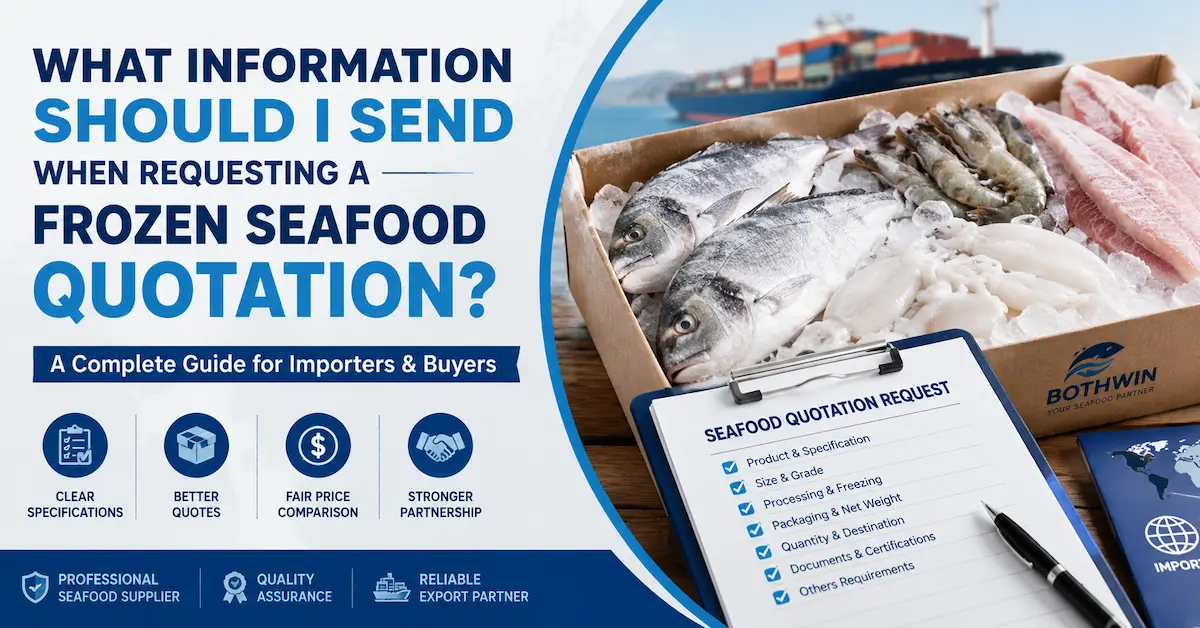
Seafood Importer Inquiry Checklist
To receive a more accurate quotation, importers should provide:
- Destination country and port
- Product name
- Species
- Preferred origin
- Wild-caught or farmed requirement
- Processing format
- Size grade
- IQF or block frozen preference
- Net weight
- Maximum glazing ratio
- Packaging format
- Label requirements
- Order quantity
- Required documents
- Sample request
- Inspection requirement
- Target shipment date
Clear inquiries help suppliers recommend the correct product and reduce unnecessary quotation revisions.
FAQ
1. What do seafood importers check before buying?
Seafood importers check supplier identity, species, processing format, size grade, net weight, glazing, sample quality, packaging, cold chain, documents, pricing, payment terms, and repeat supply capacity.
2. Why do seafood importers request scientific species names?
Scientific names help prevent product confusion and support accurate labeling, customs classification, and destination-market compliance.
3. Why is glazing important to seafood importers?
Glazing protects frozen seafood, but excessive glazing reduces usable seafood weight and increases the real purchasing cost.
4. Do seafood importers always request samples?
Samples are especially important for new suppliers, new products, strict specifications, private-label orders, and high-volume purchases.
5. What quality points are checked after thawing?
Importers may check odor, color, firmness, moisture loss, broken pieces, cooking performance, and processing yield.
6. What documents do seafood importers review?
Documents may include commercial invoices, packing lists, bills of lading, health certificates, certificates of origin, specifications, and catch documents where applicable.
7. How do importers compare seafood prices?
They compare species, size, processing, net weight, glazing, packaging, freight, duties, yield, and landed cost—not only the unit price.
8. Why is cold-chain capability important?
Cold-chain control helps maintain seafood texture, appearance, shelf life, and packaging condition during storage and international transport.
9. What are the warning signs of an unreliable supplier?
Warning signs include vague specifications, unusually low prices, inconsistent company details, refusal of samples, unavailable documents, and unclear payment requests.
10. How can I request a seafood quotation from Bothwin Food?
Send Bothwin Food your target product, species, size, packaging, order quantity, destination, required documents, and sample requirements for a suitable proposal.
Conclusion
Understanding what do seafood importers check before buying helps suppliers prepare better quotations and helps buyers avoid costly sourcing mistakes.
Professional seafood importers look beyond price. They evaluate supplier identity, species, specifications, net weight, glazing, sample performance, packaging, cold-chain control, documents, payment terms, and repeat supply reliability.
Bothwin Food supplies frozen seafood and related food products for international B2B buyers. Contact Bothwin Food with your product, specification, packaging, quantity, destination, and documentation needs to discuss a suitable sourcing plan.