The lowest price is not always the lowest production cost.
Common Risks When Buying Frozen Tuna Loins
Unclear Specifications
Missing details create quality disputes.
Excessive Trimming Loss
Low usable yield increases production cost.
Unstable Color
Different raw materials may produce inconsistent appearance.
Poor Temperature Control
Cold-chain problems affect quality.
Weak Traceability
Missing batch information creates compliance risks.
Unstable Supply
Processors require predictable availability.
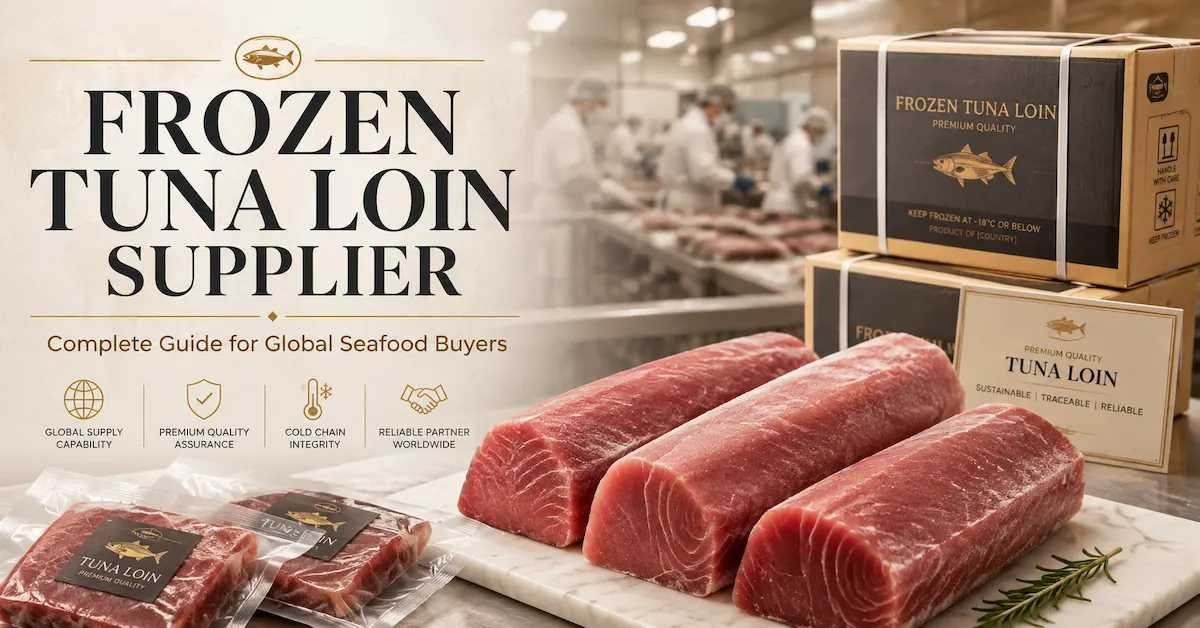
How to Choose a Frozen Tuna Loin Supplier
Confirm Product Experience
Choose suppliers familiar with tuna processing requirements.
Request Detailed Specifications
Confirm:
Species
Origin
Weight
Trimming
Packaging
Test Samples
Evaluate:
Appearance
Yield
Texture
Processing performance
Review Quality Control
Check:
Food safety systems
Traceability
Testing procedures
Confirm Supply Ability
Evaluate:
Production capacity
Lead time
Repeat order support
Why Work with Bothwin Food?
Bothwin Food supplies frozen seafood products for international B2B buyers, including seafood distributors, processors, restaurants, and wholesalers.
For frozen tuna loin projects, Bothwin Food can support:
Product selection
Specification confirmation
Packaging solutions
Export requirements
Cold-chain coordination
Bulk purchasing support
Buyers can explore available seafood categories through the Products page, learn about Bothwin Food through the About Us page, or request sourcing support through the Contact Us page.
Frozen Tuna Loin RFQ Checklist
Provide:
Tuna species
Product format
Loin specification
Weight range
Trimming requirement
Bloodline requirement
Packaging
Freezing method
Monthly quantity
Destination country
Required documents
Sample request
FAQ
What does a frozen tuna loin supplier provide?
A supplier provides processed tuna loin products for sushi, foodservice, retail, canning, and food processing applications.
What is the difference between tuna loin and whole tuna?
Tuna loins require less processing by buyers because unwanted parts have already been removed.
Which tuna species are commonly used for frozen loins?
Yellowfin tuna is widely used, but buyers should confirm exact species before purchasing.
Why is trimming important for tuna loins?
Trimming affects appearance, yield, processing cost, and final product quality.
Should buyers test tuna loin samples?
Yes. Samples help evaluate texture, color, yield, and processing performance.
How should frozen tuna loins be stored?
They should be stored under stable frozen conditions according to product specifications.
Can tuna loins be customized?
Suppliers may support different trimming levels, packaging formats, and specifications depending on requirements.
What affects tuna loin pricing?
Species, grade, trimming, yield, packaging, quantity, and logistics affect pricing.
Are frozen tuna loins suitable for food factories?
Yes. Tuna loins are widely used for ready meals, canned products, and seafood processing.
How can I request a quotation from Bothwin Food?
Provide your tuna species, loin specifications, quantity, packaging, destination, and document requirements.
Conclusion
Choosing the right frozen tuna loin supplier helps seafood businesses improve production efficiency, reduce processing costs, and maintain consistent product quality.
Professional buyers should evaluate tuna species, trimming standards, yield, freezing methods, packaging, traceability, cold-chain control, and supplier reliability.
Bothwin Food supports global seafood buyers with flexible frozen seafood sourcing solutions.
Contact Bothwin Food with your frozen tuna loin requirements to discuss suitable supply options.