blog
輸入業者は冷凍魚介類を購入する前にどのような品質検査を実施する必要がありますか?

輸入業者は冷凍魚介類を購入する前にどのような品質検査を実施する必要がありますか?

blog avatar
リリース時間
Aug 17 2026
  • シーフード加工と品質管理
  • シーフード調達ガイド

フォローしてください

frozen-seafood-quality-checks

輸入業者は冷凍魚介類を購入する前にどのような品質検査を実施する必要がありますか?

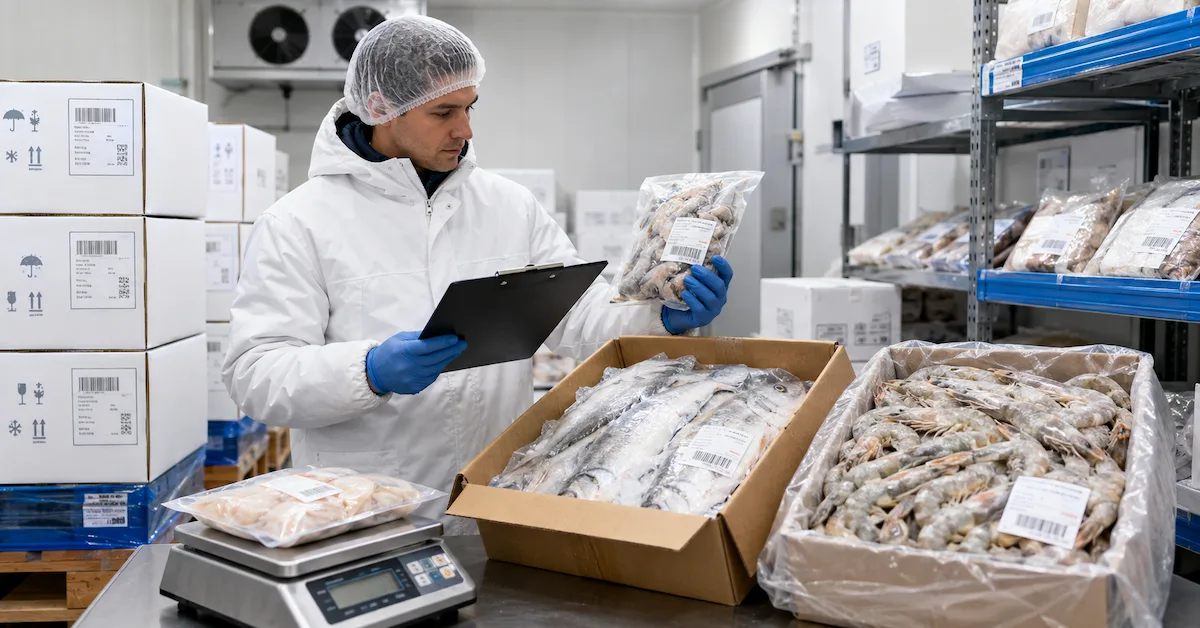
海外の水産物バイヤーにとって、サプライヤーの選択は最初のステップにすぎません。冷凍魚介類を大量に購入する前に、輸入者は製品仕様、物理的状態、加工基準、梱包、温度管理、トレーサビリティ、出荷書類を確認する必要があります。

専門の冷凍魚介類の品質検査は、購入者が受け取った製品が次のような合意された仕様と一致していることを確認するのに役立ちます。

  • 魚介類
  • 商品フォーム
  • サイズ グレード
  • 重量要件
  • 凍結方法
  • ガラス仕様
  • パッケージ形式
  • 保管条件
  • ドキュメントのエクスポート

品質検査の目的は、不良品を特定することだけではありません。また、生産と出荷前にサプライヤーとバイヤーの間で誤解が生じるのを防ぐためでもあります。

輸入業者にとって重要な質問は次のとおりです。

サプライヤーは、一貫して同じ魚介類仕様を提供できる再現可能な品質管理システムを備えていますか?

これは、わずかな仕様の違いが数千キログラムの製品に影響を与える可能性がある、コンテナ大量の注文の場合に特に重要です。

Bothwin は、調達プロセス全体を通じて、製品仕様の確認、品質管理の調整、輸出梱包、コールドチェーンの準備に重点を置くことで、国際的な水産物バイヤーをサポートします。購入者は、購入要件を準備する際に、 同社の魚介類の製品範囲を確認できます。

冷凍魚介類の品質検査

輸入業者にとって冷凍魚介類の品質検査が重要なのはなぜですか?

冷凍魚介類は通常、サプライチェーンの複数の段階を経て長距離輸送されます。

処理施設 → 冷蔵倉庫 → 内陸輸送 → 港 → 冷凍コンテナ → 目的地倉庫

各段階で潜在的な品質リスクが生じます。

輸入業者が直面する可能性のある一般的な問題には次のようなものがあります。

  • 商品サイズが一貫していない
  • 重量の仕様が正しくありません
  • 過度のグレージングの違い
  • パッケージの破損
  • 温度変動
  • ドキュメントが不完全
  • 一貫性のない繰り返し出荷

サプライヤーの見積もりだけでは製品の品質を確認できません。

2 つのサプライヤーが同様の価格を提供している場合がありますが、以下の点で異なるため、異なる製品を提供している場合があります。

  • 原材料の選択
  • 処理基準
  • 採点精度
  • 凍結テクノロジー
  • パッケージング制御

したがって、品質検証はコンテナの到着後だけでなく、最終的な出荷承認の前に行う必要があります。

大量の冷凍魚介類を調達する購入者向けに、バルク冷凍水産物サプライヤーの選択では、仕様、コールド チェーン管理、包装、およびリピート注文の一貫性。

輸入者は冷凍魚介類を購入する前に何を確認すべきですか?

冷凍水産物の完全な検査では、製品の外観のみをチェックするのではなく、複数の領域を評価する必要があります。

主な検査カテゴリは次のとおりです。

これらのチェックにより、完全な品質評価システムが作成されます。

チェック 1: 魚介類の種類と製品のアイデンティティを確認する

最初のステップは、サプライヤーが要求されたとおりの製品を提供していることを確認することです。

魚介類の名前だけでは必ずしも十分とは限りません。

購入者は以下を確認する必要があります:

  • 商品名
  • 必要に応じて種の情報
  • 該当する場合、出所情報
  • フォームの処理

たとえば、冷凍マグロをリクエストする購入者は、要件が次のとおりであるかどうかを明確にする必要があります。

  • マグロ丸ごと
  • マグロロース
  • マグロステーキ
  • サクブロック

これらの製品には次のような違いがあります。

  • 処理要件
  • アプリケーション
  • 料金体系
  • 顧客の期待

同じ原則が以下にも適用されます。

  • ティラピア
  • エビ
  • イカ
  • その他の冷凍水産物

信頼できるサプライヤーは、見積もりと生産の前に製品仕様を明確に定義できる必要があります。

マグロ製品を調達する輸入業者は、 Bothwin のプレミアムをレビューできます。さまざまな商用フォーマット向けの冷凍マグロ ソリューション

チェック 2: 製造前に製品仕様を確認する

水産物の品質に関する紛争の多くは、生産上の問題ではなく、不明確な規格によって引き起こされています。

注文する前に、購入者は以下を確認する必要があります。

商品フォーム

例:

  • 全体
  • 骨抜き
  • フィレット
  • ステーキ
  • ロース
  • むきエビ
  • きれいなイカ

サイズ グレード

例:

  • 1 個あたりの重量範囲
  • エビの数のサイズ
  • 部分重量
  • 厚さの要件

処理要件

確認:

  • トリミング レベル
  • クリーニング方法
  • 切断基準
  • パッケージ形式

凍結方法

製品に以下が必要かどうかを確認します。

  • IQF
  • ブロック凍結
  • BQF
  • 合意された別の方法

明確な仕様により、双方が同じ基準を使用して品質を評価できます。

買い手が見積書を準備している場合、仕様は冷凍シーフードの見積もりガイド

チェック 3: 冷凍魚介類のサイズの一貫性と重量の正確性を確認する

輸入業者にとって、サイズの一貫性は以下に直接影響するため、最も重要な冷凍魚介類の品質チェックの 1 つです。

  • 販売価格
  • 顧客の期待
  • 処理歩留まり
  • 部分制御
  • 在庫計画

水産物の供給者は正しい種を提供しても、サイズ分布が一貫していないと購入者の期待に応えられない可能性があります。

たとえば、レストランでは予測可能な一人前サイズが必要なため、冷凍魚のポーションを購入する食品サービスの流通業者は、一貫した重量を必要とする場合があります。

冷凍ティラピアを丸ごと購入する卸売業者は、市場によって好みの重量範囲が異なるため、安定したサイズのグレードが必要になる場合があります。

購入者は生産前に次のことを確認する必要があります。

  • ターゲット サイズ範囲
  • 許容誤差
  • 採点方法
  • サンプリング方法
  • 合意範囲外のピースの割合

専門的な水産物仕様書には、次のことだけを記載する必要はありません。

冷凍ティラピア 500~800g

以下についても明確にする必要があります。

  • サンプリングされる部分の数
  • サイズのばらつきの評価方法
  • どの程度の許容差が許容されるか

これにより、出荷後の意見の相違を回避できます。

丸ごと冷凍ティラピアを購入する購入者の場合、 Bothwin の輸出用の丸ごと冷凍ティラピアの情報は、サイズ要件や商業仕様を議論する際の参考として使用できます。

チェック 4: 出荷前に正味重量とグレージングを確認する

正味重量の確認は、冷凍魚介類の購入において最も重要な品質チェックの 1 つです。

輸入者は以下を明確に区別する必要があります。

  • 総重量
  • 凍結釉錘
  • 魚介類の正味重量
  • 梱包重量

購入者の懸念事項:

実際に受け取れる水産物の量はどれくらいですか?

それだけではありません:

カートンの重さはどれくらいですか?

グレージングは冷凍魚介類を保護しますが、購入者は製品重量の申告が合意された仕様に従っていることを確認する必要があります。

急速冷凍魚介類製品に関するコーデックス基準によれば、グレーズ加工された製品の申告正味含有量にはグレーズが含まれていない必要があります。 (fao.org)

FDA はまた、米国市場で販売される冷凍魚介類製品の申告正味重量にアイスグレーズを含めるべきではないとも述べています。 (fda.gov)

出荷前に、購入者は以下を確認する必要があります。

  • グレージングの割合
  • 計算方法
  • 正味重量ベース
  • 許容誤差
  • 検査方法

これは、複数のサプライヤーを比較する場合に特に重要です。

あるサプライヤーに異なる重量の仮定が含まれている場合、見積額が低くても実際のコストが必ずしも低くなるとは限りません。

購入者は Bothwin の以前のガイドを確認することもできます。

グレージングの割合は輸入業者の冷凍水産物のコストにどのように影響しますか?

グレージングが魚介類のコスト比較にどのような影響を与えるかを理解します。

チェック 5: 冷凍魚介類の外観と物理的状態を評価する

目視検査は、冷凍魚介類の基本的かつ重要な品質検査の 1 つです。

出荷前に、購入者は以下を評価する必要があります:

製品の外観

チェック:

  • 自然な色
  • 表面状態
  • 目に見えるダメージ
  • 異常な変色
  • 脱水症状の兆候

凍結状態

チェック:

  • 商品は凍結されたままです
  • 過剰な氷の蓄積がない
  • 解凍や再凍結の兆候はない
  • パッケージはそのままです

製品の完全性

魚介類の種類に応じて、バイヤーは以下の検査を行う場合があります。

  • 壊れた破片
  • 破損したフィレット
  • 粉砕された製品
  • 過度の表面欠陥

許容可能な外観基準は製品の用途によって異なります。

例:

  • スーパーマーケットの商品には、より厳しい外観基準が求められる場合があります
  • 処理中の購入者は、収益と機能をより重視する可能性があります
  • 食品サービスのバイヤーは一貫性と調理のパフォーマンスを優先する場合があります

したがって、品質検査は常に最終アプリケーションと一致する必要があります。

チェック 6: 冷凍魚介類の温度管理を確認する

温度管理は冷凍魚介類のサプライチェーン全体で不可欠です。

冷凍魚介類製品では、いくつかの温度管理ポイントが発生する場合があります。

加工 → 冷蔵倉庫 → 輸送 → 港湾荷役 → リーファー出荷 → 目的地倉庫

輸入者は以下を確認する必要があります:

  • 製品の凍結状態
  • コールド ストレージ機能
  • リーファー輸送手配
  • ロード手順
  • 温度監視方法

温度の問題は次のような影響を与える可能性があります:

  • テクスチャ
  • 保湿力
  • 外観
  • 賞味期限
  • 顧客の同意

購入者は以下を確認する必要があります:

  • 必要な保管温度
  • 配送温度要件
  • 該当する場合、記録をモニタリングする
  • コールド チェーンの処理手順

輸出購入者向けには、 Bothwin の輸出用冷凍魚の保管方法に関するコンテンツで、冷凍魚介類の保管に関する追加情報が提供されます。

チェック 7: 処理と衛生管理の確認

冷凍魚介類の品質は最終製品だけで決まるわけではありません。

処理段階も一貫性に影響します。

輸入者は、サプライヤーが以下をどのように管理しているかを理解する必要があります。

原材料検査

質問すべき質問:

  • 原材料はどのように選択されますか?
  • 鮮度はどのように評価されますか?
  • 受信した素材はどのようにチェックされますか?

処理制御

確認:

  • クリーニング手順
  • 切断基準
  • 採点プロセス
  • 取り扱い条件

生産管理

確認:

  • 製品の識別
  • バッチ管理
  • 梱包手順
  • 制作記録

一貫した処理システムにより、サプライヤーは複数の出荷にわたって繰り返し可能な製品を生産できます。

長期購入者にとって、通常、単一の低価格出荷よりも再現性の方が価値があります。

チェック 8: 輸入前に魚介類のトレーサビリティを確認する

トレーサビリティは、購入者が製品がどこから来たのか、サプライ チェーン内をどのように移動したのかを特定するのに役立ちます。

プロの冷凍水産物サプライヤーは、次のような情報を通じて製品の識別をサポートできる必要があります。

  • 本番バッチ
  • 処理日
  • 製品仕様
  • パッケージ情報
  • 出荷記録

トレーサビリティは、次の場合に特に重要になります。

  • 顧客が製品情報をリクエスト
  • 品質上の問題が発生する
  • 輸入規制には文書化が必要
  • 購入者が小売プログラムを管理する

スーパーマーケットやブランド水産物プログラムでは、トレーサビリティがサプライヤー選択の重要な要素となることがよくあります。

チェック 9: 冷凍魚介類の包装とラベルを検査する

包装は国際輸送中に魚介類を保護します。

輸入者は以下を確認する必要があります:

カートンの状態

確認:

  • カートン強度
  • 耐湿性
  • スタッキング条件
  • 被害の防止

商品ラベル

確認:

  • product name
  • net weight
  • storage instructions
  • batch information
  • destination requirements

Retail or Private Label Packaging

For OEM buyers, confirm:

  • artwork approval
  • label language
  • barcode requirements
  • packaging format

Packaging problems can create unnecessary issues even when the seafood itself meets specifications.

For buyers requiring customized seafood packaging, requirements should be discussed before production begins.

Check 10: Review Export Documents Before Shipment

Documentation is an important part of seafood quality management because it connects the physical product with regulatory and commercial requirements.

Depending on destination and product type, buyers may need to review:

  • commercial invoice
  • packing list
  • bill of lading
  • certificate of origin
  • health-related documents where applicable
  • product specifications
  • traceability information

Requirements vary by market.

For example, seafood imported into the United States must comply with applicable FDA requirements, including Seafood HACCP-related requirements for covered products. (fda.gov)

Importers should confirm requirements with:

  • supplier
  • importer of record
  • customs broker
  • local regulatory authority

before shipment.

What Should Be Included in a Frozen Seafood Pre-Shipment Inspection?

A pre-shipment inspection helps buyers confirm that the order matches the agreed specification before loading.

A typical inspection checklist may include:

品質チェックエリア 購入者が確認すべきこと
プロダクト アイデンティティ 魚種と魚介類の種類を修正する
製品仕様 サイズ、形式、処理要件
外観 色、質感、欠陥
サイズの一貫性 重量範囲とグレーディング精度
正味重量 実際の魚介類の量
ガラス アイスコーティング仕様
温度 凍結された保管条件
パッケージ カートン、ラベル、保護
トレーサビリティ バッチと生産情報
ドキュメント エクスポートとコンプライアンス記録

The inspection scope should be agreed before production.

Different products may require different acceptance criteria.

For example:

  • frozen tuna steak buyers may focus on cut consistency
  • tilapia buyers may focus on size grading
  • shrimp buyers may focus on count size and glazing
  • squid buyers may focus on cleaning and processing standards

Frozen Seafood Quality Checks for Different Buyers

Different buyers may prioritize different inspection points.

Seafood Importers

Main concerns:

  • supplier reliability
  • documentation
  • product consistency
  • container shipment quality

Seafood Wholesalers

Main concerns:

  • size grading
  • packaging
  • resale value
  • repeat supply

Foodservice Distributors

Main concerns:

  • portion consistency
  • cooking performance
  • product handling

Supermarket Buyers

Main concerns:

  • labeling
  • appearance
  • traceability
  • packaging

Seafood Processors

Main concerns:

  • yield
  • raw material quality
  • processing suitability

A good quality inspection system should match the buyer's business model.

Frozen Seafood Quality Inspection Checklist for Importers

Before placing a bulk frozen seafood order, importers should create a clear inspection checklist based on the actual product requirements.

A complete checklist should cover not only the seafood itself but also:

  • specification accuracy
  • production consistency
  • packaging condition
  • cold-chain control
  • documentation
  • shipment readiness

A practical frozen seafood quality checklist can include:

Inspection Item Buyer Verification
Product identity Correct species and product
Size grade Matches purchase specification
Quantity Correct cartons and units
Net weight Meets agreed weight requirement
Glazing Matches agreed specification
Appearance No unacceptable defects
Packaging Cartons and labels correct
Temperature Product remains frozen
Documents Shipment records complete
Batch information Traceability available

This checklist helps buyers evaluate suppliers based on measurable criteria instead of only comparing prices.

What Are the Most Common Frozen Seafood Quality Mistakes Importers Make?

Even experienced seafood buyers can face problems when specifications are not clearly defined.

Mistake 1: Choosing Suppliers Based Only on Price

The lowest quotation does not always represent the lowest purchasing cost.

A lower price may come with differences in:

  • product grade
  • size consistency
  • net weight
  • glazing basis
  • packaging quality
  • shipment reliability

Professional buyers should compare the complete product specification before making a decision.

The better question is:

Which supplier provides the best overall value for the required seafood specification?

Mistake 2: Not Defining Product Specifications Clearly

A common purchasing mistake is sending a request like:

“Please quote frozen fish.”

This leaves many important questions unanswered:

  • Which species?
  • What size?
  • Whole or processed?
  • What freezing method?
  • What packaging?
  • What destination?

A detailed specification reduces communication time and prevents quotation misunderstandings.

Mistake 3: Ignoring Net Weight and Glazing Details

As discussed in previous sections, glazing can affect how buyers understand product value.

Importers should always confirm:

  • declared net seafood weight
  • glazing percentage
  • calculation method
  • inspection procedure

This is especially important for container-volume purchases.

Buyers can also review:

How Does Glazing Percentage Affect Frozen Seafood Cost for Importers?

to understand how glazing influences seafood cost evaluation.

Mistake 4: Not Checking Samples or Trial Orders

For new supplier relationships, samples or trial shipments can help verify:

  • product appearance
  • size consistency
  • packaging
  • cooking performance
  • customer acceptance

A trial order allows buyers to evaluate actual performance before increasing purchase volume.

Mistake 5: Not Confirming Cold Chain Management

Frozen seafood quality depends heavily on temperature control.

A supplier may produce acceptable seafood, but quality can still decline if:

  • storage conditions are unstable
  • transportation is poorly managed
  • loading procedures are not controlled

Importers should understand how the supplier manages frozen products from production to shipment.

How Can Importers Build a Reliable Frozen Seafood Quality Control Process?

A strong quality management process should not start after receiving complaints.

It should begin before purchasing.

A practical process includes:

Step 1: Define Product Requirements

Before quotation, confirm:

  • seafood type
  • size
  • processing form
  • freezing method
  • packaging
  • quantity
  • destination

Step 2: Review Supplier Capability

Evaluate:

  • product experience
  • processing ability
  • export experience
  • communication efficiency
  • documentation support

Step 3: Confirm Quality Standards

Agree on:

  • product specifications
  • tolerance levels
  • inspection requirements
  • acceptance criteria

Step 4: Conduct Pre-Shipment Verification

Before loading:

  • inspect products
  • verify quantities
  • confirm packaging
  • review documents
  • check agreed specifications

Step 5: Maintain Shipment Records

Keep records of:

  • purchase specifications
  • inspection reports
  • shipment documents
  • supplier communication

This helps create a repeatable sourcing system.

How Does Bothwin Support Frozen Seafood Quality Management?

For international seafood buyers, Bothwin focuses on helping customers match product requirements with suitable seafood specifications.

The sourcing process can involve:

  • product selection
  • specification confirmation
  • processing requirement discussion
  • packaging coordination
  • export preparation
  • shipment support

Buyers can review:

When requesting a quotation, providing detailed product requirements helps suppliers respond more accurately.

A complete inquiry should include:

  • seafood product
  • size grade
  • processing form
  • freezing method
  • packaging
  • quantity
  • destination
  • quality requirements

Frozen Seafood Quality Control Checklist Before Ordering

Importers can use this checklist before confirming a supplier:

Inspection Category What Buyers Should Check
Product Identity Species, product type and processing form
Size & Grade Weight range, count size and tolerance
Appearance Color, texture, defects and dehydration
Freezing Condition Frozen status and product integrity
Glazing Glaze specification and weight basis
Net Weight Actual seafood quantity
Packaging Carton, inner packing and labels
Temperature Storage and transportation condition
Traceability Batch and production information
Documents Export and compliance records

This checklist can help importers reduce uncertainty before committing to large-volume frozen seafood purchases.

FAQ About Frozen Seafood Quality Checks

What are the most important frozen seafood quality checks?

The most important checks include product identity, size consistency, net weight, glazing, appearance, temperature control, packaging, traceability and export documentation.

Why should importers inspect frozen seafood before shipment?

Pre-shipment inspection allows buyers to confirm that products match agreed specifications before international transportation, reducing the risk of receiving unsuitable goods.

How can buyers check frozen seafood quality?

Buyers can review product specifications, inspect samples, verify packaging, confirm weight requirements, check cold-chain records where applicable, and review shipment documents.

What should buyers check about frozen fish size?

Buyers should confirm the required weight range, grading method, tolerance and sampling procedure to ensure consistent product quality.

Why is net weight important in frozen seafood purchasing?

Net weight helps buyers understand the actual seafood quantity purchased and allows fair comparison between supplier quotations.

Does glazing affect frozen seafood quality?

Yes. Glazing can help protect frozen seafood from dehydration and freezer-related quality problems. However, buyers should clearly define glazing requirements and net-weight basis.

How important is temperature control for frozen seafood?

Temperature control is essential because frozen seafood quality can be affected by storage and transportation conditions.

What documents should frozen seafood importers request?

Depending on the destination market, buyers may request commercial invoices, packing lists, certificates, product specifications, traceability information and other applicable export documents.

Should buyers test samples before bulk orders?

For new suppliers or new products, samples or trial orders can help verify whether the product meets commercial expectations before larger purchases.

How can I request frozen seafood quality information from Bothwin?

Buyers can send product specifications, quantity requirements, destination information and quality expectations through the Bothwin Contact Us page.

Conclusion

For frozen seafood importers, quality control should begin before the purchase order is placed.

A reliable sourcing process is not only about finding competitive pricing. It requires confirming:

  • the right product
  • the right specification
  • the right weight basis
  • the right quality standards
  • the right cold-chain management
  • the right documentation

The most effective buyers create clear inspection requirements before production and shipment instead of solving quality problems after delivery.

By applying a structured frozen seafood quality check process, importers can reduce purchasing risks, improve supplier communication and build more stable long-term seafood supply relationships.

For your next frozen seafood sourcing project, explore Bothwin's seafood product range and contact Bothwin with your product specifications, quality requirements and purchasing plans.


注目のブログ
HACCP 冷凍魚介類のサプライヤーは、どのようにして魚介類の安全な輸送を確保しているのでしょうか?

HACCP 冷凍魚介類のサプライヤーは、どのようにして魚介類の安全な輸送を確保しているのでしょうか?

HACCP 冷凍魚介類のサプライヤーは、管理された加工、品質管理、コールド チェーン輸送、トレーサビリティ システムを通じて、海外のバイヤーが食品の安全性リスクを軽減できるよう支援します。このガイドでは、生産から最終配送まで、安全な冷凍魚介類の輸出を HACCP 実践がどのようにサポートするかについて説明します。

コールドチェーン管理は、輸出中の冷凍魚介類の品質にどのような影響を与えますか?

コールドチェーン管理は、輸出中の冷凍魚介類の品質にどのような影響を与えますか?

コールドチェーン管理は、国際輸送中の冷凍魚介類の品質を維持する上で重要な役割を果たします。このガイドでは、輸入業者が品質リスクを軽減し、冷凍魚介類の安定供給を確保するために、温度管理、冷蔵保管、リーファーコンテナ、梱包、出荷処理がどのように役立つかを説明します。

輸入業者は冷凍魚介類を購入する前にどのような品質検査を実施する必要がありますか?

輸入業者は冷凍魚介類を購入する前にどのような品質検査を実施する必要がありますか?

冷凍魚介類を注文する前に、輸入業者はサプライヤーの価格設定以上のものを確認する必要があります。このガイドでは、バイヤーが調達リスクを軽減できるよう、製品仕様、サイズの一貫性、正味重量、グレージング、温度管理、加工基準、トレーサビリティ、出荷前検査を含む主要な冷凍魚介類の品質チェックについて説明します。

グレージングの割合は輸入業者の冷凍水産物のコストにどのような影響を与えますか?

グレージングの割合は輸入業者の冷凍水産物のコストにどのような影響を与えますか?

冷凍魚介類のグレージングの割合によって、輸入業者が正味重量、使用可能な魚介類の量、サプライヤーの見積もりを解釈する方法が変わる可能性があります。このガイドでは、グレージングの役割、バイヤーがグレーズ加工された魚介類のオファーをどのように比較する必要があるか、カートン価格が低いことが実質コストの低下を意味しない理由、RFQ、契約、および出荷前検査で何を指定すべきかについて説明します。

輸出用冷凍魚の保存方法: シーフードバイヤーのための実践的なコールドチェーンガイド

輸出用冷凍魚の保存方法: シーフードバイヤーのための実践的なコールドチェーンガイド

輸出用の冷凍魚の保存方法を知ることは、冷蔵保管、コンテナへの積み込み、海上輸送、通関、目的地への配送中に製品の品質を保護するために不可欠です。このガイドでは、水産物の輸出業者、輸入業者、卸売業者、コールド チェーン チーム向けの温度管理、梱包、倉庫での取り扱い、リーファー出荷の準備、監視、受領チェックについて説明します。

卸売向け冷凍ティラピア(丸ごと):サイズの選び方、冷凍方法、梱包方法

卸売向け冷凍ティラピア(丸ごと):サイズの選び方、冷凍方法、梱包方法

卸売りのために冷凍ティラピアを丸ごと購入するには、魚のサイズ、加工方法、IQF(個別急速冷凍)かブロック冷凍か、表面処理、正味重量、包装、そして販売チャネルについて明確な決定を下す必要があります。このガイドは、水産物輸入業者、卸売業者、流通業者、そして外食産業のバイヤーが、一貫した品質、利用可能な歩留まり、再販の容易さ、そしてより正確な大量購入見積もりを可能にする、実用的なティラピアの仕様を構築するのに役立ちます。

Item Confirmed
Exact seafood product identified
Species confirmed
Product form confirmed
Size grade agreed
Weight tolerance defined
Freezing method confirmed
Glazing requirement confirmed
Net weight basis confirmed
Packaging approved
Label requirements confirmed
Cold-chain requirements discussed
Traceability information available
Export documents confirmed
Inspection method agreed
Shipment requirements confirmed