

A reliable frozen seafood supplier does more than provide a product list and a container price.
For importers, wholesalers, supermarket buyers, and food processing companies, the real concern is whether the seafood can arrive with stable texture, controlled temperature, complete documentation, and consistent commercial value.
One weak point in freezing, packaging, storage, or export handling can turn a profitable order into claims, delays, or rejected goods.
That is why B2B seafood sourcing should begin with risk control, not only quotation comparison.
When Frozen Seafood Orders Go Wrong
Many buyers only discover quality problems after the container reaches the destination port. By then, the cost is already high.
The most common problems often include:
- Unstable glazing or excessive ice loss
- Broken cartons after long-distance transport
- Temperature fluctuation during loading or storage
- Inconsistent size grading across batches
- Weak traceability when quality claims happen
- Missing or unclear export documents
- Product appearance not matching market expectations
For seafood importers, these problems do not only affect one shipment.
They may damage downstream relationships with distributors, retailers, restaurants, or food factories.
A professional supplier must therefore manage seafood as a controlled supply chain product, not as a simple frozen commodity.
Why a Frozen Seafood Supplier Must Control More Than Price
Price matters, but seafood quality is shaped by many technical details before the buyer receives the goods.
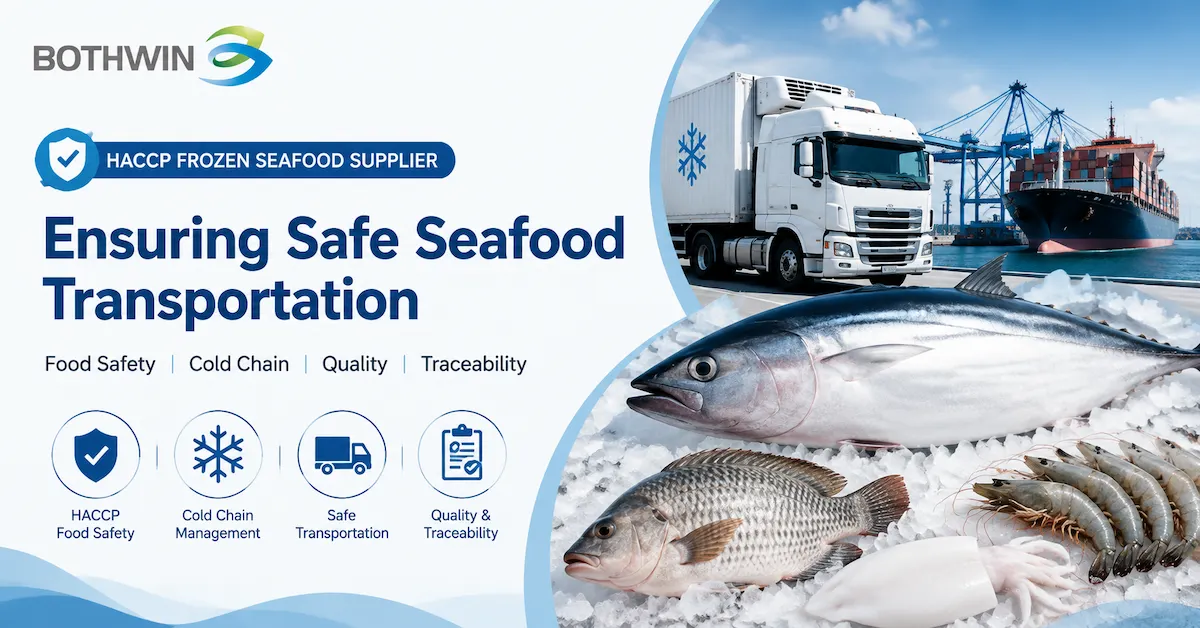
A qualified frozen seafood supplier should pay attention to raw material selection, cleaning, processing control, freezing method, storage temperature, packaging strength, loading procedure, export documents, and batch traceability.
For products such as frozen fish, black tiger shrimp, squid, and tuna, the principle is simple:
The product must stay stable from processing to final delivery.
If the cold chain is interrupted or packaging is not designed for export distance, the buyer may receive seafood that looks acceptable on paper but performs poorly in the real market.
This is especially important for buyers serving food processing, catering supply, supermarkets, and wholesale channels.
Price-Based Buying vs Supply-Chain-Based Buying
Many new buyers compare frozen seafood suppliers only by unit price.
Experienced importers compare the whole supply chain.
| Buying Method | Main Focus | Risk Level | Better For |
|---|---|---|---|
| Price-based buying | Lowest container price | Higher risk | Short-term trial orders |
| Product-based buying | Species, size, freezing type | Medium risk | Standard wholesale orders |
| Supply-chain-based buying | Quality control, cold chain, packaging, documents | Lower risk | Long-term import programs |
| Market-based buying | Product fit for local demand | Lower commercial risk | Supermarkets, distributors, food service |
A cheaper frozen fish order may become expensive if cartons collapse, product size is inconsistent, or documents delay customs clearance.
For long-term buyers, a slightly higher but more stable supply can protect margins better over time.
Bothwin’s Solution for B2B Frozen Seafood Buyers
Bothwin focuses on supplying frozen seafood and food products for international B2B customers.
The company serves importers, wholesalers, distributors, food processing companies, supermarkets, and food service buyers.
For buyers looking for a dependable frozen seafood supplier, Bothwin’s value is not only product availability.
The more important value lies in helping buyers manage supply stability across product selection, export packaging, cold chain awareness, and trade communication.
Main supply directions include:
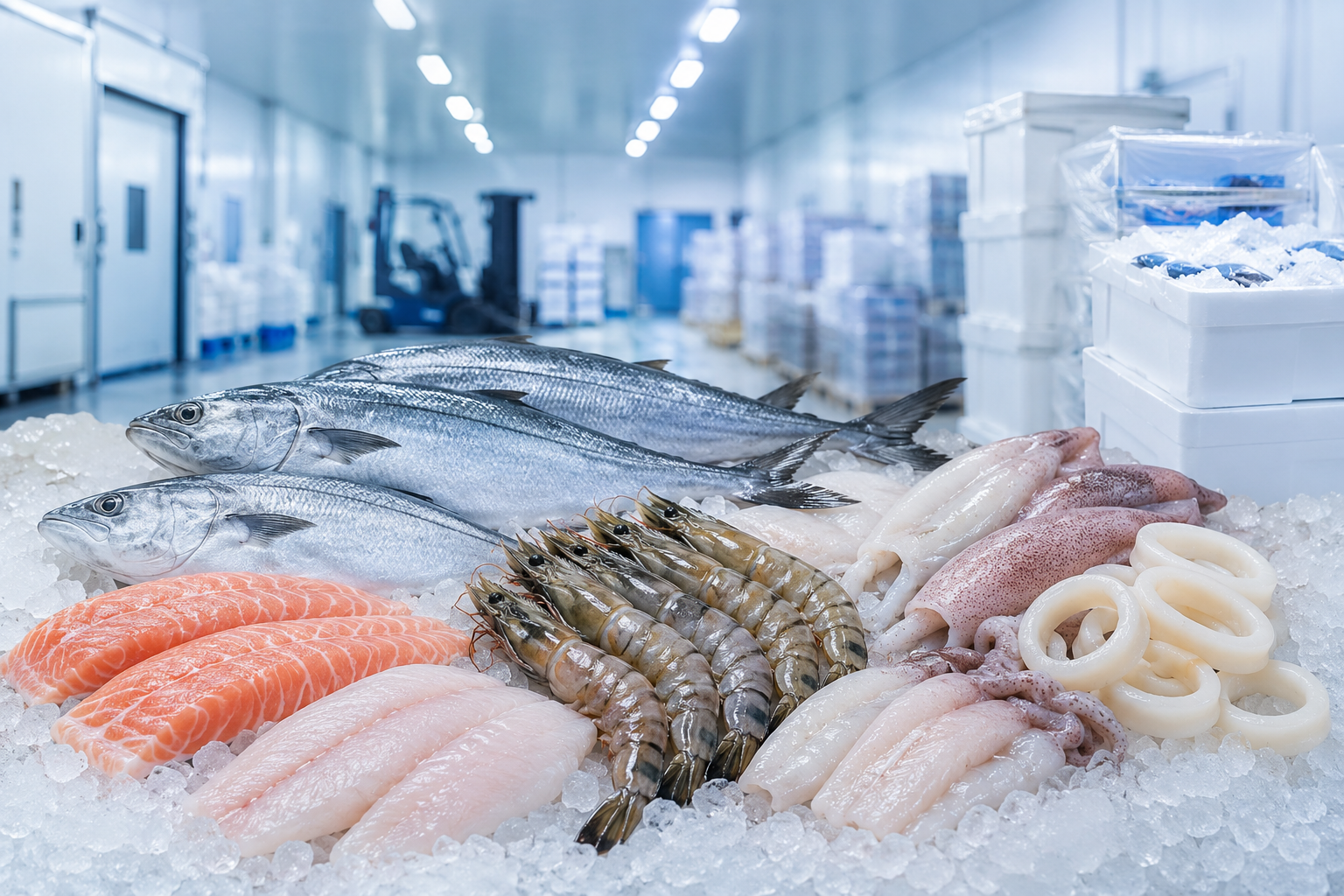
- Frozen fish such as tuna, tilapia, and sea bass
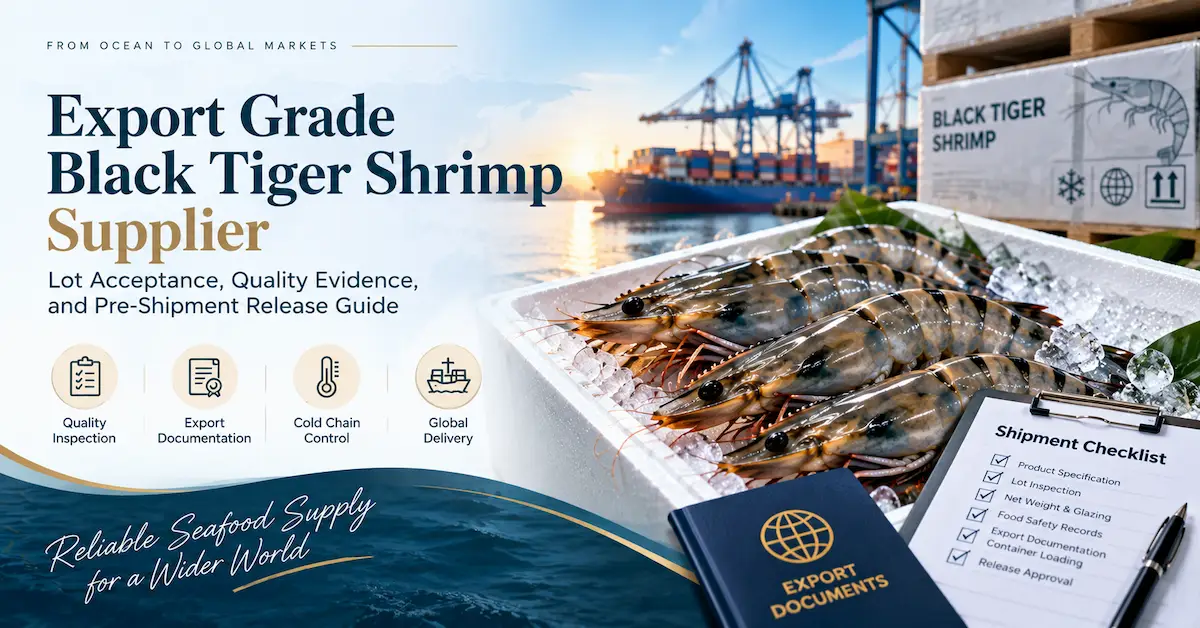
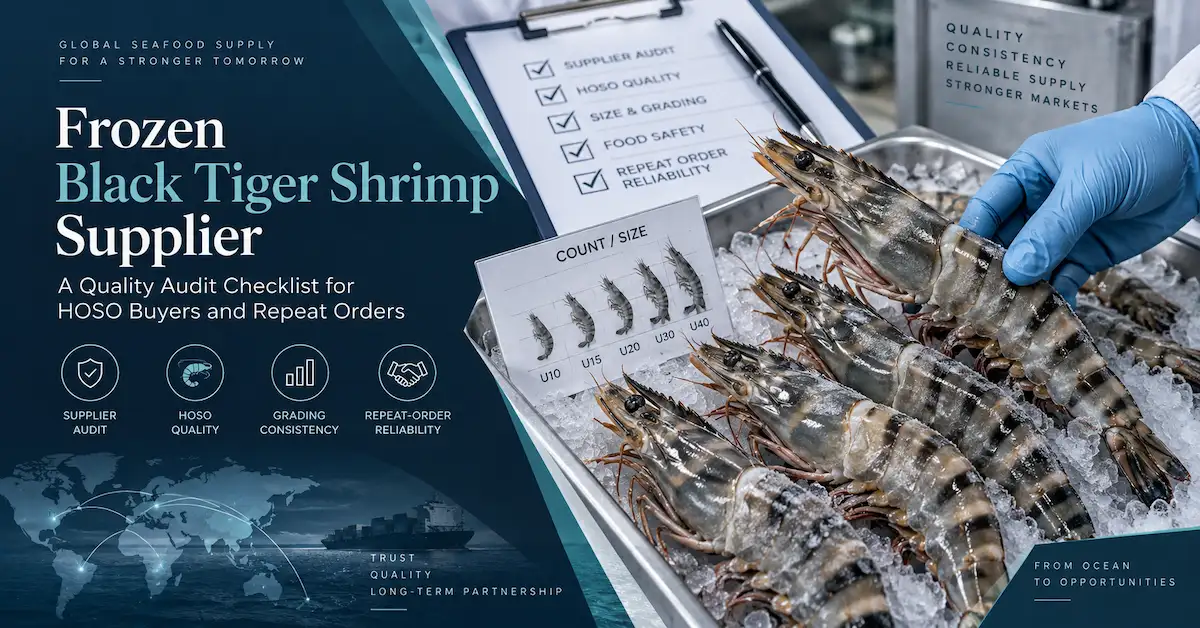
- Frozen shrimp such as black tiger shrimp
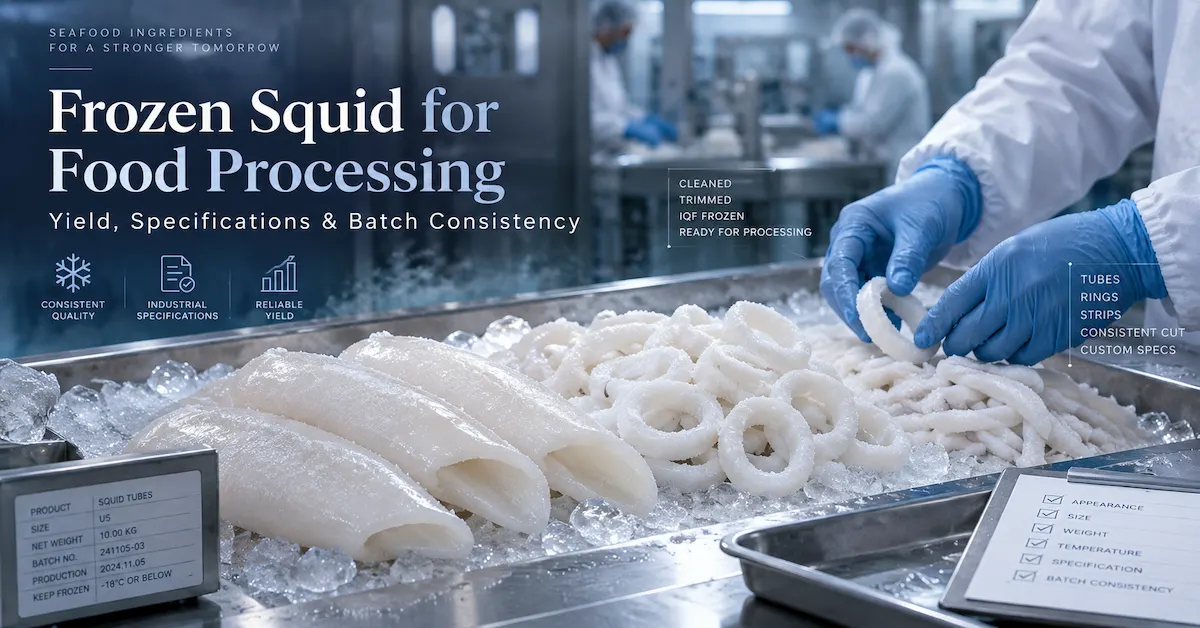
- Squid and other seafood products
- Spices and seasoning ingredients for food supply chains
- Export-oriented packaging and shipment support
- B2B communication for long-term sourcing needs
This makes Bothwin suitable for buyers who need repeatable seafood supply rather than one-time spot purchasing.
What Makes Export-Grade Frozen Seafood More Reliable
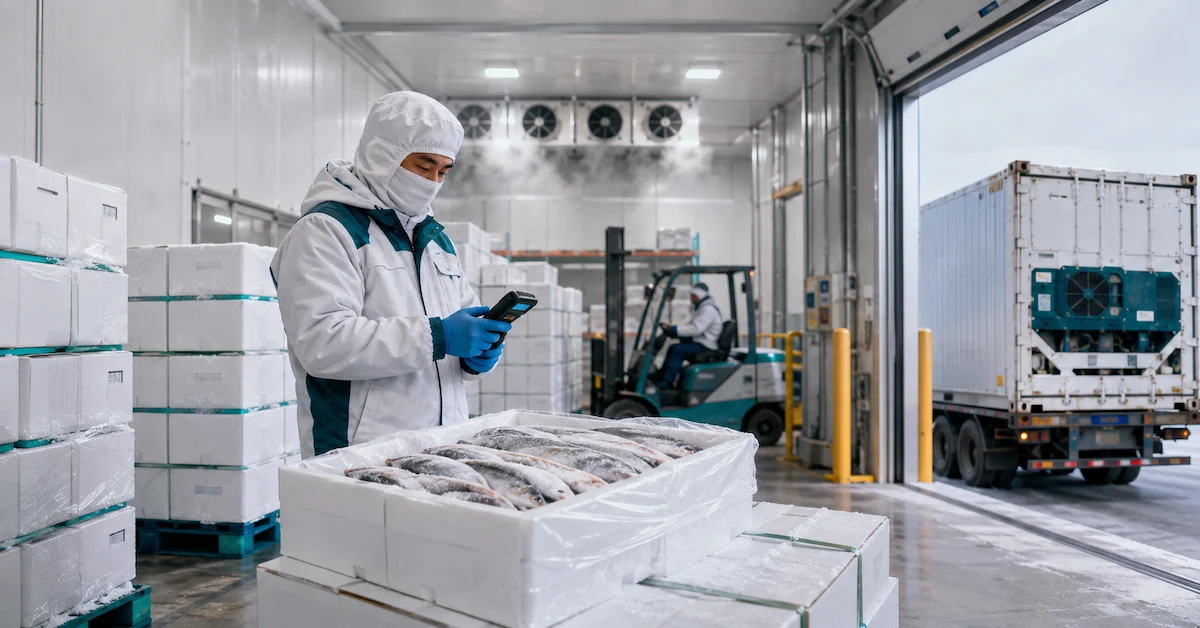
Export-grade frozen seafood should be prepared for long-distance transport and commercial handling.
It must survive more than freezing.
It must also withstand loading, container movement, port handling, warehouse storage, and final distribution.
Temperature Discipline
Frozen seafood commonly requires stable low-temperature storage.
For B2B shipments, temperature stability helps protect texture, appearance, shelf life, and buyer confidence.
Packaging Strength
Export cartons, inner packaging, labeling, and pallet handling all affect arrival condition.
Good packaging reduces carton breakage, moisture damage, and handling loss.
Product Consistency
Importers care about repeatability.
Size, glaze, cut, product form, and appearance should remain consistent across batches whenever possible.
Traceability and Documentation
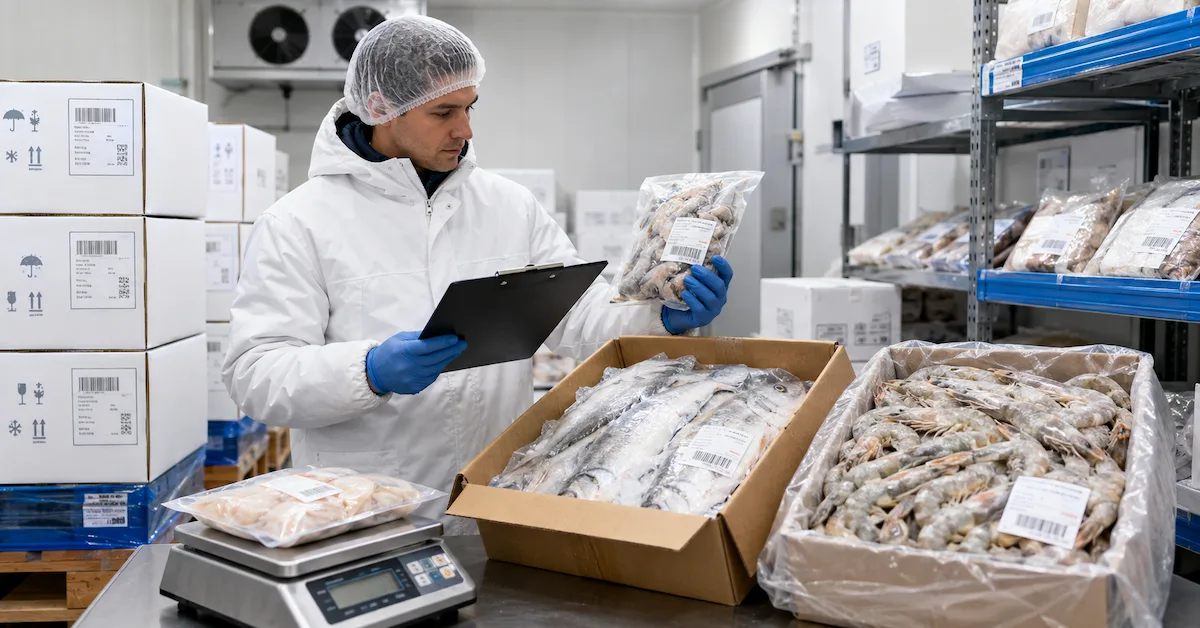
When a buyer serves regulated markets or organized retail channels, traceability matters.
Clear batch information and export documentation reduce communication risk during customs, inspection, and after-sales handling.
Market Fit
Different markets prefer different seafood forms.
A product suitable for food service may not be ideal for supermarket retail. A good supplier helps buyers choose according to channel needs.
Where a Cold Chain Frozen Seafood Supplier Creates Real Value
A cold chain frozen seafood supplier becomes especially valuable in markets where buyers manage long delivery routes, multiple warehouses, or strict retail standards.
Seafood Import and Distribution
Importers need products that can move from port to warehouse to regional buyers without obvious quality loss.
Stable freezing and packaging reduce downstream complaints.
Food Processing Raw Materials
Food factories need predictable raw material quality.
Frozen tuna, tilapia, squid, or shrimp must match processing requirements for cutting, cooking, repacking, or further manufacturing.
Restaurant and Food Service Supply
Food service buyers care about taste, portion control, convenience, and stable availability.
Product inconsistency can affect menu cost and kitchen operations.
Supermarket and Retail Channels
Retail buyers need clean appearance, proper packaging, clear labeling, and reliable supply cycles.
Products must look trustworthy in cold display and consumer-facing environments.
Wholesale Seafood Markets
Wholesalers usually care about price, volume, turnover speed, and buyer acceptance.
Stable product grading helps them sell faster and reduce disputes.
How Importers Should Choose the Right Supplier
Before placing a bulk order, buyers should not only ask, “How much per ton?”
They should ask better questions.
Important questions include:
- What product forms and sizes are available?
- Can the supplier support repeat orders?
- What freezing method is used?
- How is the seafood packed for export?
- What documents can be provided for shipment?
- Is batch information traceable?
- What markets has the supplier served before?
- Can packaging be adjusted for wholesale or retail channels?
- How does the supplier handle quality communication before loading?
For buyers comparing several suppliers, the best choice is usually not the cheapest offer.
It is the supplier that can explain quality, packaging, logistics, and documentation clearly before the order starts.
Common Product Options for B2B Seafood Buyers
Bothwin’s seafood direction can support different buyer needs.
| Product Type | Typical Buyer | Common Use |
|---|---|---|
| Frozen tuna | Food processors, restaurants, seafood importers | Steaks, loins, processing, food service |
| Whole frozen tilapia | Importers, wholesalers, regional distributors | Wholesale markets, retail, food service |
| Black tiger shrimp | Seafood distributors, restaurants, premium channels | Catering, retail, seafood trade |
| Frozen squid | Food factories, Asian food distributors, wholesalers | Processing, food service, prepared foods |
| Sea bass | Restaurants, premium seafood channels | Menu supply, retail seafood, hospitality |
This product structure allows buyers to build a broader seafood portfolio instead of depending on a single item.
FAQ
What should importers check before choosing a frozen seafood supplier?
Importers should check product consistency, freezing method, export packaging, documentation ability, cold chain control, batch traceability, and communication efficiency.
These factors often matter more than a small price difference.
Is a HACCP frozen seafood supplier better for B2B buyers?
A HACCP frozen seafood supplier is usually more suitable for serious B2B buyers because HACCP-based control focuses on food safety risks during processing and handling.
For importers and food processors, this helps reduce uncertainty in procurement.
What temperature should frozen seafood maintain during storage?
Frozen seafood is commonly stored at low freezing temperatures, often around -18°C or below depending on product and market requirements.
The key is not only the target temperature, but also avoiding repeated temperature fluctuation during storage and transport.
Why is packaging important for frozen seafood export?
Packaging protects the product during long-distance shipping, loading, unloading, and warehouse handling.
Weak packaging can cause carton damage, moisture problems, product deformation, and higher claim risk.
Can one supplier serve both wholesale and food processing buyers?
Yes, but the supplier must understand different requirements.
Wholesale buyers often focus on volume, size grading, and market acceptance, while food processing buyers care more about product form, consistency, yield, and processing suitability.
Building a Safer Seafood Supply Chain Starts With the Right Supplier
Choosing a frozen seafood supplier is ultimately a decision about risk, consistency, and long-term supply confidence.
Importers and distributors need more than a container price.
They need products that can move through cold chain logistics, customs clearance, warehousing, and market distribution with fewer problems.
Bothwin supports B2B buyers with frozen seafood supply, export-oriented service, and product options for importers, wholesalers, food processing companies, supermarkets, and food service channels.
To explore available seafood and food supply options, buyers can visit the Bothwin homepage at https://www.bothwinfood.com/zh-Hans or contact the team directly through https://www.bothwinfood.com/zh-Hans/contact-us for sourcing discussion.