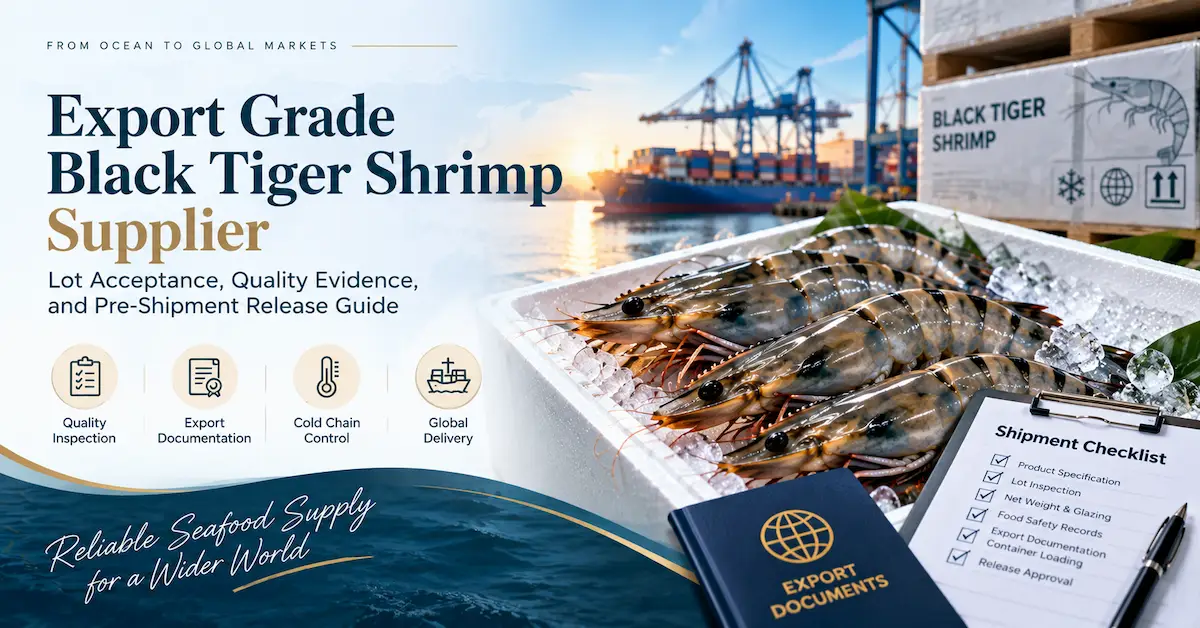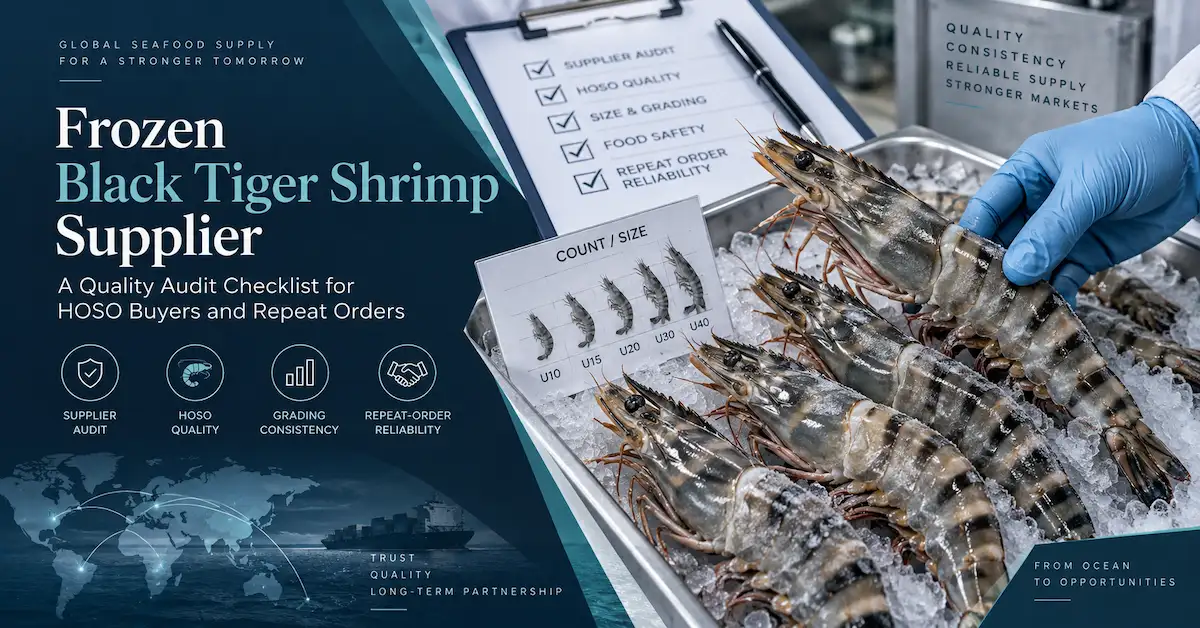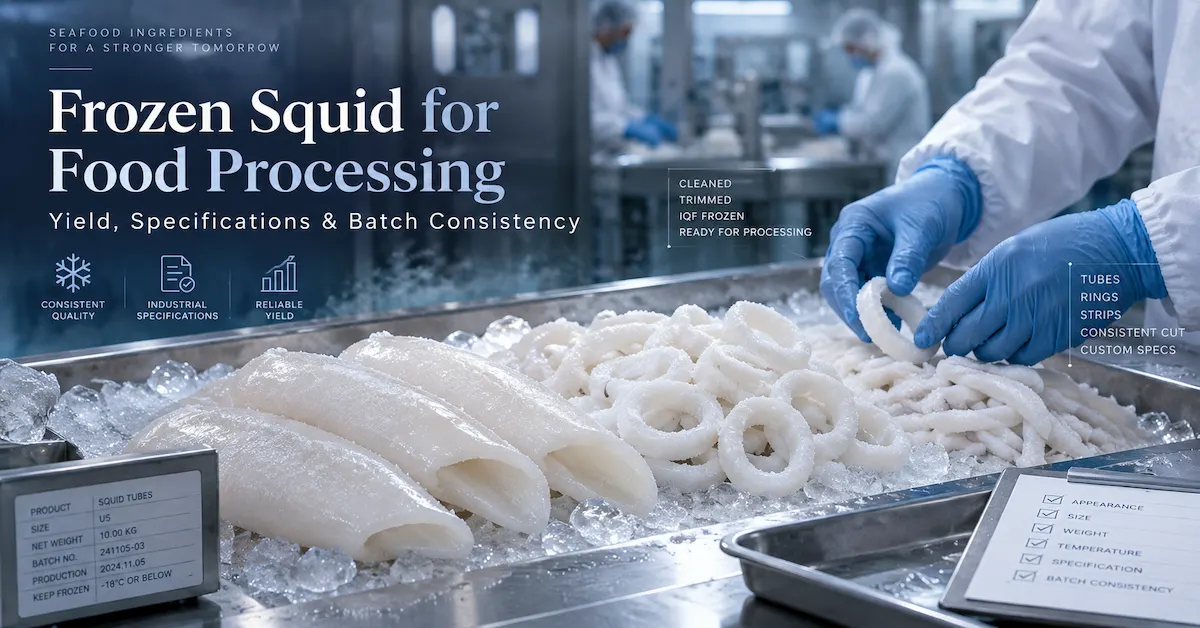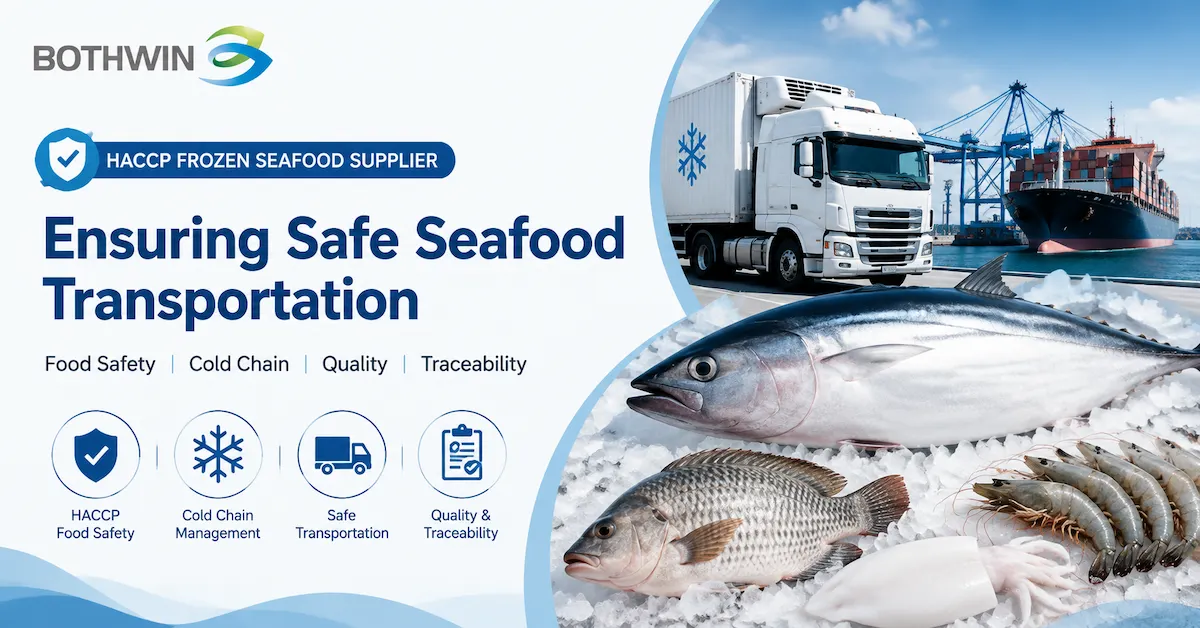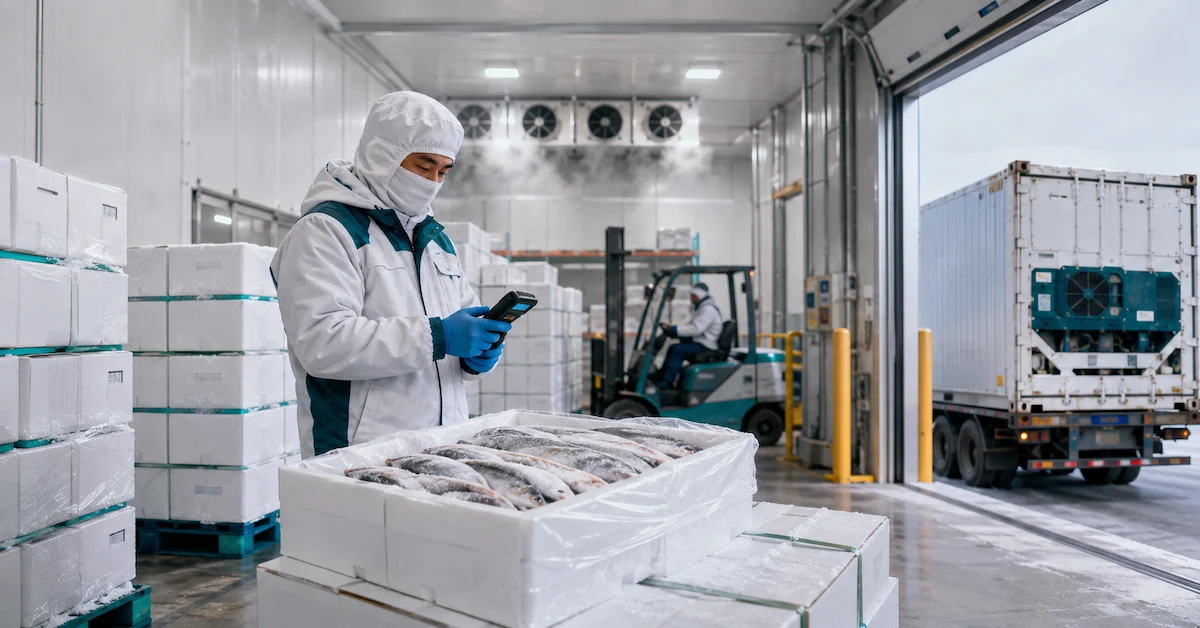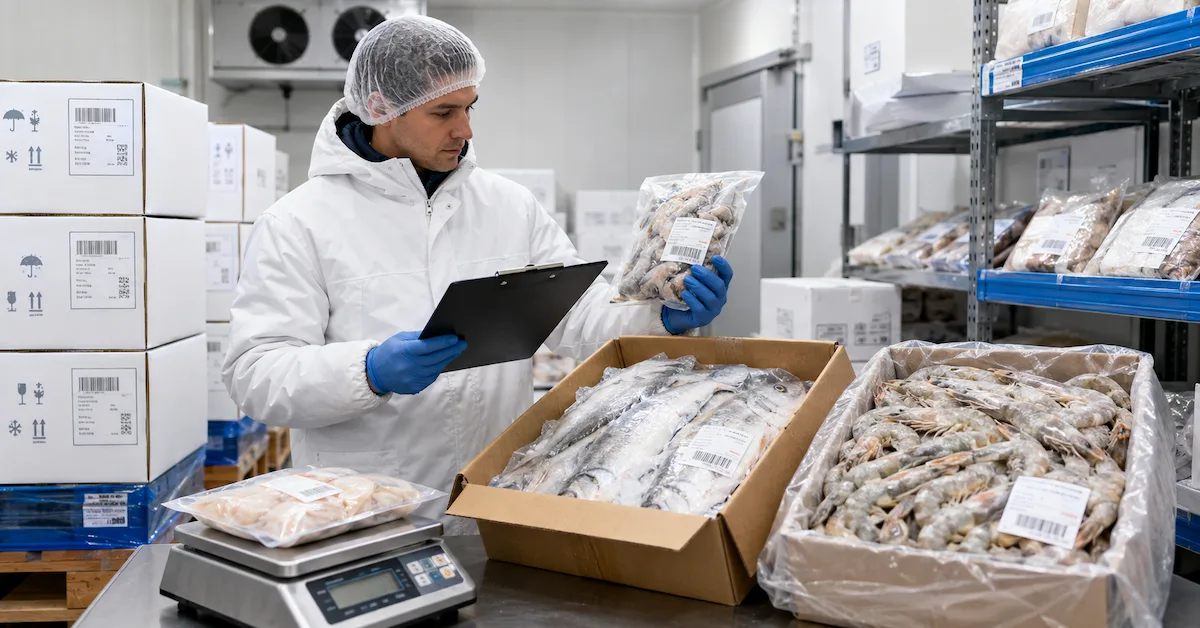


A traceable frozen seafood supplier helps global buyers source seafood products with clearer origin information, batch details, product specifications, cold-chain handling, and export communication. For importers, distributors, supermarkets, restaurants, and food processing factories, traceability is becoming an important part of frozen seafood sourcing.
When buyers purchase frozen fish, shrimp, squid, octopus, or other seafood products in bulk, they need more than a product name and a low price. They need to know what the product is, where it comes from, how it is processed, how it is packed, and whether the supplier can provide consistent information across repeat orders.
A traceable supplier helps buyers reduce product risk, improve customer trust, and manage international procurement more professionally.
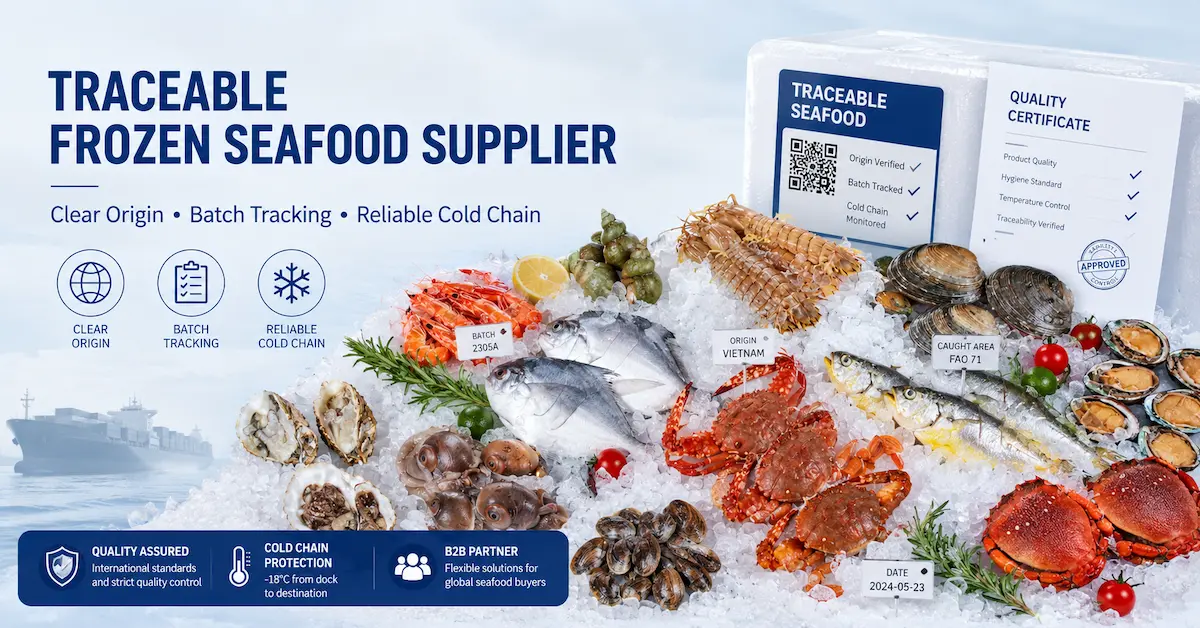
Quick Answer: What Should Buyers Look for in a Traceable Frozen Seafood Supplier?
Buyers should choose a supplier that can provide clear product specifications, origin information, batch details, packaging records, cold-chain awareness, and export-ready communication. A good supplier should make it easier for buyers to understand each frozen seafood order before shipment.
Important sourcing points include:
- Clear product name and species
- Origin or sourcing area information
- Size grade and processing method
- Net weight and glazing ratio
- Freezing method
- Packaging format and carton details
- Shelf life and storage requirements
- Batch or production information
- Sample support before bulk purchase
- Stable communication for repeat orders
Bothwin Food supplies frozen fish, fresh or frozen shrimp, cephalopods, canned goods, spices, and condiments for global B2B buyers. Buyers can explore seafood categories through the Products page, learn more about the company on the About Us page, or submit sourcing requirements through the Contact Us page.
Why Traceability Matters in Frozen Seafood Sourcing
Traceability helps buyers follow important product information through the sourcing and supply process. For frozen seafood, this is especially important because products may pass through fishing, farming, processing, freezing, packing, storage, loading, shipping, and distribution.
Without clear traceability, buyers may face problems such as unclear species, inconsistent size, missing product details, difficult complaint handling, or weak customer confidence.
For B2B buyers, traceability supports:
- Better product verification
- Easier quality control
- Faster issue tracking
- More reliable repeat orders
- Stronger customer communication
- Better import and distribution management
A traceable frozen seafood supplier is especially valuable for buyers who serve supermarkets, food service chains, processing factories, and regulated markets.
Main Frozen Seafood Products That Need Traceability
Traceability is useful for every frozen seafood category, especially when buyers purchase in bulk or resell products under their own channels.
1. Frozen Fish
Frozen fish is widely used in supermarkets, restaurants, wholesale distribution, and food processing.
Common product formats include:
- Whole frozen fish
- Headless and gutted fish
- Fish fillets
- Fish portions
- Skin-on or skinless cuts
- Processing-grade fish raw materials
For frozen fish, buyers should confirm species, origin, size grade, processing format, packaging, and shelf life. This helps avoid labeling errors and product mismatch.
2. Frozen Shrimp
Frozen shrimp is one of the most important seafood products for global trade. It is widely used by restaurants, supermarkets, distributors, and processing factories.
Common shrimp formats include:
- Head-on shrimp
- Headless shrimp
- Peeled shrimp
- Peeled and deveined shrimp
- IQF shrimp
- Block frozen shrimp
- Raw or cooked shrimp
A traceable frozen shrimp supplier should clearly confirm size grade, processing method, net weight, glazing ratio, freezing format, and packaging details.
3. Cephalopods: Squid, Octopus, and Cuttlefish
Cephalopods are used in seafood mixes, food processing, Asian cuisine, Mediterranean dishes, barbecue menus, and frozen meal production.
Common formats include:
- Squid rings
- Squid tubes
- Whole cleaned squid
- Octopus
- Cuttlefish
- Sliced or diced cephalopod products
For cephalopods, traceability helps buyers understand cleaning level, product form, batch consistency, and application suitability.
4. Supporting Food Products
Some buyers also source canned goods, spices, and condiments together with seafood products. A supplier with broader food product options can help distributors and food service buyers simplify procurement.
What Product Information Should Be Traceable?
A traceable supplier should provide practical information that helps buyers evaluate the order. Traceability does not need to be complicated, but it should be clear and consistent.
| Traceability Item | Why It Matters |
|---|---|
| Product name | Avoids misunderstanding during quotation |
| Species | Helps with labeling and market compliance |
| Origin information | Supports buyer records and customer trust |
| Batch or production information | Helps track product issues |
| Size grade | Supports pricing and application matching |
| Processing method | Shows whether the product fits buyer use |
| Net weight | Helps calculate real seafood cost |
| Glazing ratio | Reduces hidden cost risk |
| Freezing method | Affects texture and portion use |
| Packaging format | Supports storage, shipping, and resale |
Before placing a bulk order, buyers should ask suppliers to confirm these details in writing.
Cold-Chain Traceability and Frozen Seafood Quality
Cold-chain control is closely connected with traceability. Even if product information is clear, seafood quality can still decline if frozen storage and shipping are poorly managed.
A reliable supplier should understand:
- Freezing method
- Frozen warehouse storage
- Packing condition
- Carton protection
- Container loading
- Transport temperature requirements
- Storage instructions after delivery
Most frozen seafood should be stored at around -18°C or lower. Stable cold-chain handling helps maintain texture, appearance, shelf life, and customer satisfaction.
Traceable Supplier vs Non-Traceable Supplier
Buyers often compare suppliers mainly by price, but traceability can affect long-term business risk.
| Comparison Point | Traceable Supplier | Non-Traceable Supplier |
| Product information | Clear and organized | Often vague |
| Species confirmation | Easier to verify | May be unclear |
| Batch tracking | More manageable | Difficult after problems |
| Quality complaint handling | Faster and clearer | Hard to investigate |
| Repeat order consistency | Easier to maintain | Less predictable |
| Buyer trust | Stronger | Weaker |
| Long-term cooperation | More suitable | Higher risk |
For serious importers, distributors, and food processors, traceability can be more valuable than a small price difference.
Common Risks When Traceability Is Weak
Weak traceability can create hidden costs after shipment.
Species Confusion
If product species are not clearly confirmed, buyers may face labeling, customer communication, or market mismatch problems.
Inconsistent Size Grade
Different batches may vary in size if grading information is not clear. This affects restaurants, supermarkets, and processing factories.
Unclear Glazing Ratio
Glazing protects frozen seafood, but excessive glazing reduces usable seafood weight. Buyers need clear net weight and glazing information.
Difficult Complaint Handling
If a buyer receives damaged or inconsistent products, batch information helps locate the issue faster.
Weak Repeat Order Control
Long-term buyers need stable product specifications. Without traceable records, repeat orders may not match previous shipments.
How to Choose a Traceable Frozen Seafood Supplier
A good supplier should provide clear communication before the order, not only after problems happen.
1. Ask for Full Product Specifications
Confirm product name, species, origin, size grade, processing method, freezing method, net weight, glazing ratio, packaging, shelf life, and storage requirement.
2. Request Samples Before Bulk Purchase
Samples help buyers check appearance, texture after thawing, smell, cooking performance, packaging quality, and product suitability.
3. Review Packaging and Labeling
Packaging should show enough information for storage, shipment, and resale. Supermarkets may need retail labels, while processors may need bulk cartons with batch details.
4. Confirm Cold-Chain Requirements
Ask how the product is stored, packed, loaded, and shipped. Clear storage instructions help protect product quality after delivery.
5. Evaluate Long-Term Supply Ability
Traceability is most valuable when buyers need repeat orders. A supplier should be able to keep consistent product records and specifications across shipments.
Applications for Traceable Frozen Seafood
Traceable frozen seafood is useful across many B2B channels.
Importers and Distributors
Importers need clear product records for customs, customer communication, and local distribution.
Supermarkets
Retail buyers need clear packaging, product origin information, and stable product quality for freezer display.
Restaurants and Hotels
Food service buyers need seafood that performs consistently after thawing and cooking.
Food Processing Factories
Processors need traceable raw materials for ready meals, seafood mixes, canned products, fried seafood, and value-added production.
Catering Companies
Catering buyers need reliable seafood that can be stored, portioned, and prepared for large events.
Why Work with Bothwin Food
Bothwin Food provides seafood and food product supply options for global B2B buyers. The product range includes frozen fish, fresh or frozen shrimp, cephalopods, canned goods, spices, and condiments.
For buyers who care about product information, cold-chain handling, packaging, and stable sourcing, Bothwin Food can help match seafood products based on application, order quantity, and destination market.
Buyers can review available categories on the Products page, learn more about company background on the About Us page, read more sourcing insights on the Blog page, or submit product requirements through the Contact Us page.
Buyer Inquiry Checklist
To receive a faster and more accurate quotation, prepare these details:
- Target seafood product
- Species or preferred origin
- Size grade
- Processing method
- IQF or block frozen preference
- Net weight requirement
- Acceptable glazing ratio
- Packaging format
- Order quantity
- Destination market
- Shelf life or storage requirement
- Sample request details
Clear inquiry details help suppliers recommend suitable products and reduce order misunderstanding.
FAQ
1. What is a traceable frozen seafood supplier?
A traceable frozen seafood supplier provides frozen seafood with clear product information such as species, origin, size grade, batch details, packaging, storage requirements, and shipment records.
2. Why is seafood traceability important?
Traceability helps buyers verify product information, manage quality control, handle complaints, and build customer trust.
3. What frozen seafood products need traceability?
Frozen fish, shrimp, squid, octopus, cuttlefish, shellfish, and mixed seafood products all benefit from clear traceability.
4. What information should buyers request?
Buyers should request product name, species, origin, size grade, processing method, net weight, glazing ratio, freezing method, packaging, shelf life, and storage requirements.
5. Is traceability useful for supermarkets?
Yes. Supermarkets need clear product information, packaging details, and stable quality for retail display and customer confidence.
6. Is traceability important for food processing factories?
Yes. Food processors need traceable raw materials to support recipe consistency, quality control, and production records.
7. How does cold-chain control relate to traceability?
Cold-chain control helps maintain seafood quality during storage and transport, while traceability helps buyers understand how the product was handled.
8. Should buyers request samples before bulk orders?
Yes. Samples help buyers verify appearance, thawing performance, texture, smell, and packaging quality before mass purchase.
9. Can traceable frozen seafood be packed for export?
Yes. Frozen seafood can be packed in bulk cartons, IQF bags, vacuum packs, foodservice packs, or retail packaging depending on buyer needs.
10. How can I get a quotation from Bothwin Food?
You can contact Bothwin Food with product type, species, size grade, order quantity, packaging format, destination market, and sample needs to receive a suitable quotation.
Conclusion
Choosing a reliable traceable frozen seafood supplier is important for global buyers who need stable product information, clearer quality control, and long-term sourcing confidence. Traceability helps importers, distributors, restaurants, supermarkets, and food processors manage seafood products more professionally.
Bothwin Food supplies frozen seafood and related food products for B2B buyers, including frozen fish, fresh or frozen shrimp, cephalopods, canned goods, spices, and condiments. For traceable frozen seafood sourcing, contact Bothwin Food to discuss product specifications, samples, packaging formats, order quantity, and destination market requirements.