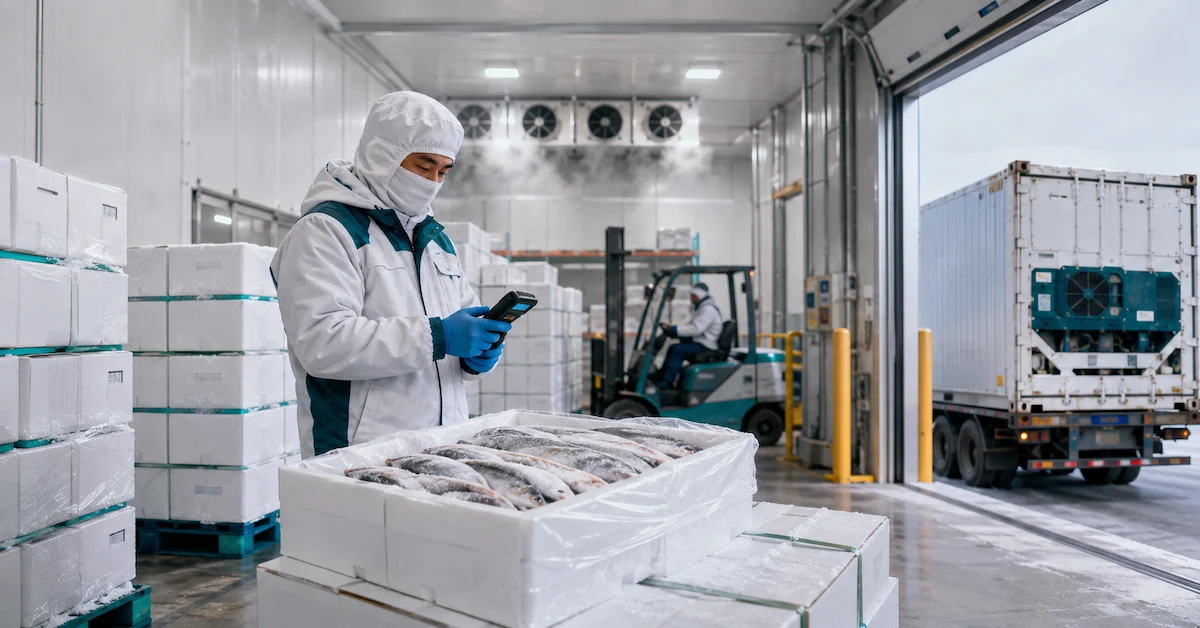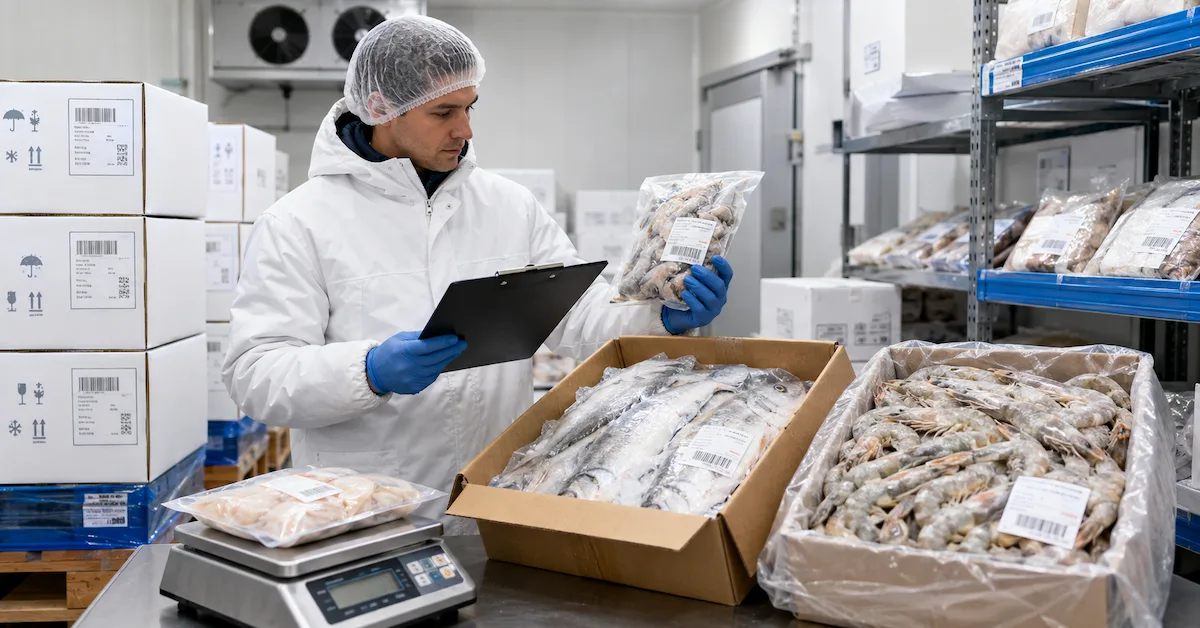


Choosing a reliable IQF frozen fish supplier is becoming increasingly important for seafood importers, wholesalers, supermarkets, restaurants, catering companies, and food processors.
IQF (Individually Quick Frozen) technology allows fish pieces to be frozen separately instead of freezing together into a single block. This provides advantages in portion control, storage efficiency, product handling, and customer convenience.
For international seafood buyers, IQF frozen fish offers flexibility, but supplier selection remains critical. Product quality depends on raw material freshness, freezing speed, processing standards, packaging, cold-chain management, and export capability.
A professional IQF frozen fish supplier should provide not only frozen products but also stable specifications, reliable documentation, consistent quality, and long-term supply support.
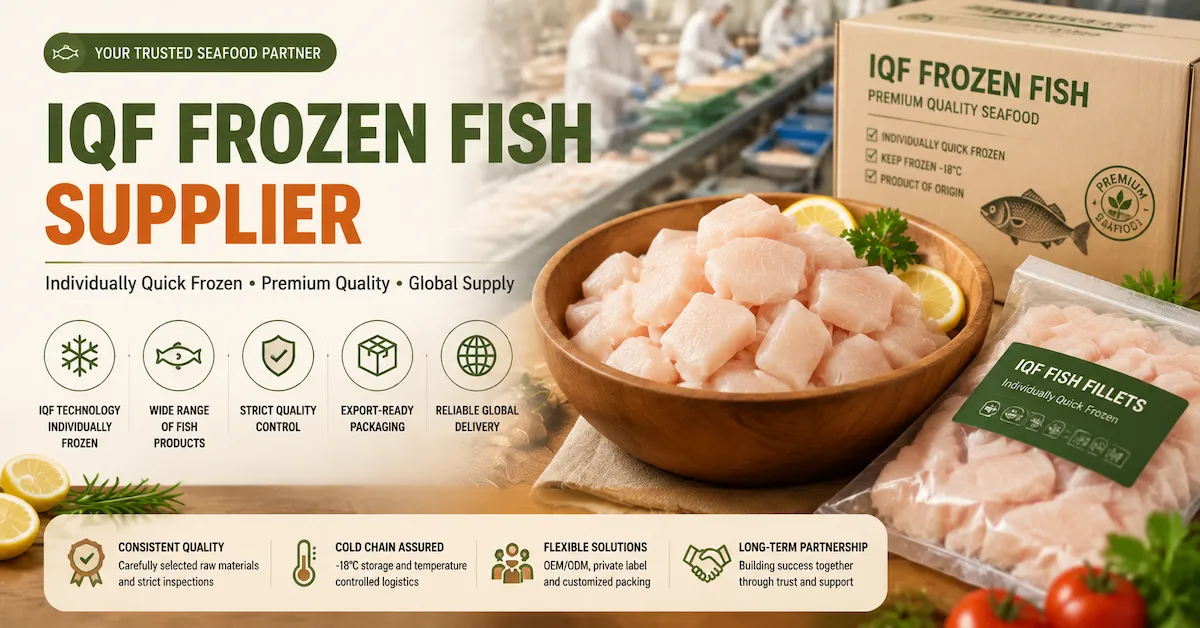
Quick Answer: What Is an IQF Frozen Fish Supplier?
An IQF frozen fish supplier provides fish products processed with individually quick freezing technology, allowing each piece to remain separated after freezing.
Compared with traditional block frozen products, IQF fish offers:
- Easier portion control
- Reduced product waste
- Faster kitchen preparation
- Flexible inventory management
- Better product separation
- Convenient retail packaging
- Improved foodservice efficiency
Common IQF frozen fish products include:
- Fish fillets
- Fish portions
- Fish steaks
- Fish cubes
- Seafood mixes
- Processing-grade fish pieces
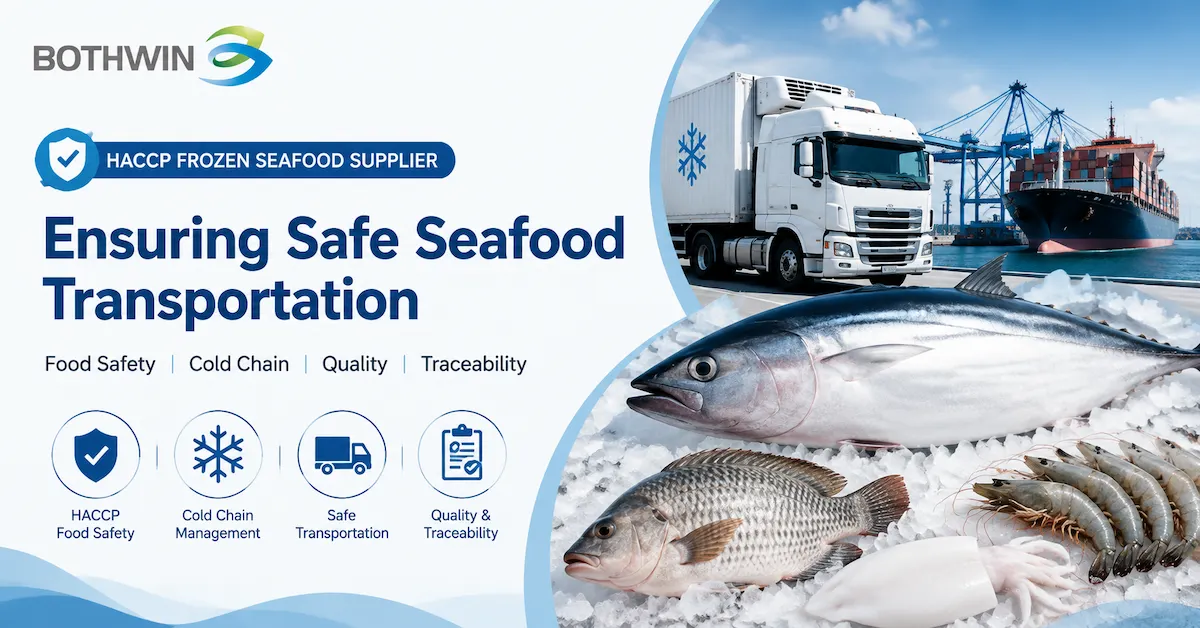
Bothwin Food supplies frozen seafood products for global B2B buyers, including importers, wholesalers, restaurants, supermarkets, and food processors.
Buyers can explore seafood categories through the Products page, learn about Bothwin Food through the About Us page, or submit sourcing requirements through the Contact Us page.
What Is IQF Freezing Technology?
IQF stands for Individually Quick Frozen.
Unlike block freezing, where multiple fish pieces freeze together, IQF technology freezes individual pieces separately at a rapid speed.
The freezing process helps create smaller ice crystals, which can better protect seafood texture and reduce damage caused by slow freezing.
The main advantages include:
- Individual piece separation
- Easier portion management
- Reduced thawing waste
- Flexible usage
- Better inventory control
- Suitable retail presentation
For buyers, IQF technology is especially valuable when products need to be used gradually instead of thawing an entire carton.
IQF Frozen Fish vs Block Frozen Fish
| Comparison | IQF Frozen Fish | Block Frozen Fish |
|---|---|---|
| Freezing method | Individual pieces frozen separately | Products frozen together |
| Handling | Easy portion control | Requires cutting or separating |
| Storage | Flexible | Compact |
| Waste | Lower | Potentially higher |
| Best for | Restaurants, supermarkets, foodservice | Processors and bulk users |
| Packaging | Bags, retail packs, foodservice packs | Bulk cartons |
| Convenience | Higher | Lower |
Neither format is always better.
The right choice depends on:
- Buyer type
- Storage system
- Customer requirements
- Production process
- Budget
- Sales channel
A restaurant distributor may prefer IQF products because customers need flexible quantities. A processing factory may prefer block frozen fish because the entire volume is used at once.
Common IQF Frozen Fish Products
A professional IQF frozen fish supplier may provide different product formats.
IQF Fish Fillets
IQF fillets are popular among:
- Supermarkets
- Restaurants
- Hotels
- Catering companies
- Meal manufacturers
Common specifications include:
- Skin-on or skinless
- Boneless or bone-in
- Individual weight
- Trim level
- Thickness
- Packaging
Benefits include:
- Easy portion control
- Reduced kitchen labor
- Consistent cooking performance
- Convenient storage
IQF Fish Portions
Portion-controlled fish products are widely used by foodservice buyers.
Applications include:
- Restaurant meals
- Hotel catering
- Institutional food
- Ready meals
- Frozen meal programs
Important specifications include:
- Piece weight
- Shape
- Thickness
- Size tolerance
- Cooking yield
Consistent portions help buyers control food costs.
IQF Fish Cubes
IQF fish cubes are commonly used in:
- Seafood mixes
- Soups
- Ready meals
- Poke products
- Processed seafood
Buyers should confirm:
- Cube size
- Broken-piece tolerance
- Texture after thawing
- Packaging format
- Intended application
IQF Seafood Mixes
Some buyers source IQF seafood combinations containing:
- Fish
- Shrimp
- Squid
- Mussels
- Other seafood ingredients
These products are suitable for:
- Restaurants
- Pasta dishes
- Hotpot products
- Frozen meal manufacturers
- Retail seafood packs
The supplier should clearly define ingredient ratios, product specifications, and packaging information.
Why Choose IQF Frozen Fish for Foodservice?
Restaurants and catering companies often prefer IQF products because they simplify daily operations.
Main advantages include:
Flexible Quantity Use
Staff can remove only the required amount without thawing the entire package.
Reduced Food Waste
Unused frozen pieces can remain stored for later use.
Better Portion Control
Fixed-size products help maintain consistent menu costs.
Faster Preparation
Kitchen teams can reduce preparation time.
Stable Cooking Results
Uniform sizes help achieve consistent cooking performance.
Why Supermarkets Prefer IQF Frozen Fish
Retail buyers often choose IQF seafood because it improves customer convenience.
Advantages include:
- Easy consumer preparation
- Attractive packaging
- Individual piece visibility
- Reduced waste after opening
- Flexible pack sizes
- Better freezer organization
Retail buyers should confirm:
- Label requirements
- Barcode options
- Retail packaging
- Shelf-life information
- Storage instructions
How to Evaluate an IQF Frozen Fish Supplier
Before placing bulk orders, buyers should evaluate several areas.
Product Specification
Confirm:
- Species
- Origin
- Processing method
- Size grade
- Weight range
- Freezing method
- Packaging
- Shelf life
IQF Freezing Quality
Check:
- Individual separation
- Ice buildup
- Surface condition
- Freezer burn
- Texture after thawing
High-quality IQF products should separate easily without excessive ice or damage.
Raw Material Quality
The freezing technology cannot improve poor raw material.
Buyers should review:
- Freshness before freezing
- Processing speed
- Hygiene control
- Storage conditions
Packaging Quality
Confirm:
- Bag material
- Seal strength
- Carton protection
- Label accuracy
- Batch information
Cold Chain Management
A reliable supplier should control:
- Processing temperature
- Frozen storage
- Container loading
- Transportation
- Temperature monitoring
IQF Frozen Fish Quality Checklist
| Quality Point | Buyer Check |
|---|---|
| Species | Correct fish identification |
| Size | Consistent piece weight |
| Separation | Individual pieces not stuck together |
| Surface | No freezer burn |
| Ice | No excessive frost |
| Texture | Firm after thawing |
| Packaging | Strong and sealed |
| Weight | Accurate net weight |
| Storage | Stable frozen conditions |
What Determines IQF Frozen Fish Prices?
IQF frozen fish prices depend on:
- Fish species
- Origin
- Size
- Processing format
- Yield
- Freezing technology
- Packaging
- Order quantity
- Shipping cost
- Destination market
IQF products may cost more than block frozen products because of:
- Additional processing
- Individual freezing
- More packaging
- Higher handling requirements
However, the higher purchase price may be balanced by:
- Lower waste
- Better portion control
- Easier operation
- Higher customer convenience
Common Risks When Buying IQF Frozen Fish
Poor Separation Quality
Low-quality IQF products may stick together or contain excessive ice.
Inconsistent Size
Different piece sizes affect cooking and customer experience.
High Glazing
Too much ice reduces actual fish quantity.
Weak Packaging
Damaged bags reduce product quality.
Temperature Fluctuation
Cold-chain problems affect texture and shelf life.
Unclear Specifications
Vague product descriptions create purchasing disputes.
Export Packaging for IQF Frozen Fish
Common packaging options include:
| Packaging Type | Suitable Buyers |
|---|---|
| IQF retail bags | Supermarkets |
| Foodservice bags | Restaurants |
| Vacuum packs | Premium seafood |
| Bulk cartons | Importers and distributors |
| Private-label packs | Retail brands |
Export packaging should include:
- Product name
- Species
- Net weight
- Storage temperature
- Production date
- Batch number
- Country of origin
Export Documents for IQF Frozen Fish
International shipments may require:
- Commercial invoice
- Packing list
- Bill of lading
- Health certificate
- Certificate of origin
- Product specification
- Traceability records
- Laboratory reports where required
Documents should match:
- Product name
- Species
- Weight
- Quantity
- Origin
- Packaging
How to Choose the Right IQF Frozen Fish Supplier
Verify Experience
Check whether the supplier regularly exports IQF seafood.
Request Samples
Test:
- Separation
- Texture
- Weight
- Cooking performance
Review Processing Capability
Understand:
- Freezing equipment
- Quality control
- Production capacity
Confirm Packaging Options
Choose packaging based on your market.
Evaluate Cold Chain
Check:
- Storage
- Shipping
- Temperature monitoring
Start with Trial Orders
A trial order helps evaluate:
- Product consistency
- Communication
- Documentation
- Delivery performance
OEM and Private Label IQF Frozen Fish
Many retailers and distributors require customized products.
A flexible IQF frozen fish supplier may support:
- Custom packaging
- Retail labels
- Barcode printing
- Different pack sizes
- Private-label products
OEM projects should confirm:
- MOQ
- Packaging cost
- Production time
- Label requirements
Why Work with Bothwin Food?
Bothwin Food supplies frozen seafood products for international B2B buyers.
For IQF frozen fish projects, Bothwin Food can support:
- Product selection
- Specification confirmation
- Packaging solutions
- Export requirements
- Cold-chain coordination
- Bulk purchasing needs
Buyers can review seafood products through the Products page, learn more through the About Us page, or request a quotation through the Contact Us page.
IQF Frozen Fish RFQ Checklist
Provide:
- Fish species
- Product format
- Size grade
- Weight requirement
- IQF specification
- Packaging
- Order quantity
- Destination country
- Required documents
- Private-label requirements
- Sample request
FAQ
What does an IQF frozen fish supplier provide?
An IQF supplier provides individually frozen fish products including fillets, portions, cubes, and seafood mixes.
Why is IQF frozen fish popular?
IQF products offer easy handling, portion control, reduced waste, and flexible storage.
Is IQF better than block frozen fish?
IQF is more convenient, while block frozen products may be more economical for large-scale processing.
What should buyers check before ordering IQF fish?
Buyers should check species, size, freezing quality, packaging, cold chain, and sample performance.
Can IQF frozen fish be customized?
Yes. Many suppliers support different sizes, packaging formats, labels, and private-label solutions.
What affects IQF frozen fish pricing?
Species, processing, packaging, quantity, freezing technology, and shipping costs affect pricing.
How should IQF fish be stored?
IQF fish should be stored under stable frozen conditions according to product specifications.
Should importers request samples?
Yes. Samples help verify separation, texture, weight, and quality.
What documents are needed for IQF fish export?
Documents depend on destination but commonly include invoices, packing lists, health certificates, and product specifications.
How can I request a quotation from Bothwin Food?
Provide your fish type, IQF requirements, quantity, packaging, and destination details.
Conclusion
Choosing the right IQF frozen fish supplier helps buyers improve operational efficiency, reduce waste, and maintain consistent seafood quality.
Professional buyers should evaluate freezing technology, product specifications, packaging, cold-chain management, documentation, and long-term supply capability.
Bothwin Food supports global seafood buyers with flexible frozen seafood sourcing solutions.
Contact Bothwin Food with your IQF frozen fish requirements to discuss suitable supply options.