
A frozen seafood supplier for restaurants helps commercial kitchens source stable, portion-controlled seafood products such as frozen fish, shrimp, squid, octopus, and mixed seafood packs. For restaurants, choosing the right supplier is not only about finding a low price. It is about stable quality, cold-chain safety, accurate grading, reliable delivery, and products that fit the menu.
Restaurants need seafood that performs consistently during busy service hours. A reliable supplier can help reduce waste, control food costs, and support long-term menu planning.
Quick Answer: What Should Restaurants Look for in a Frozen Seafood Supplier?
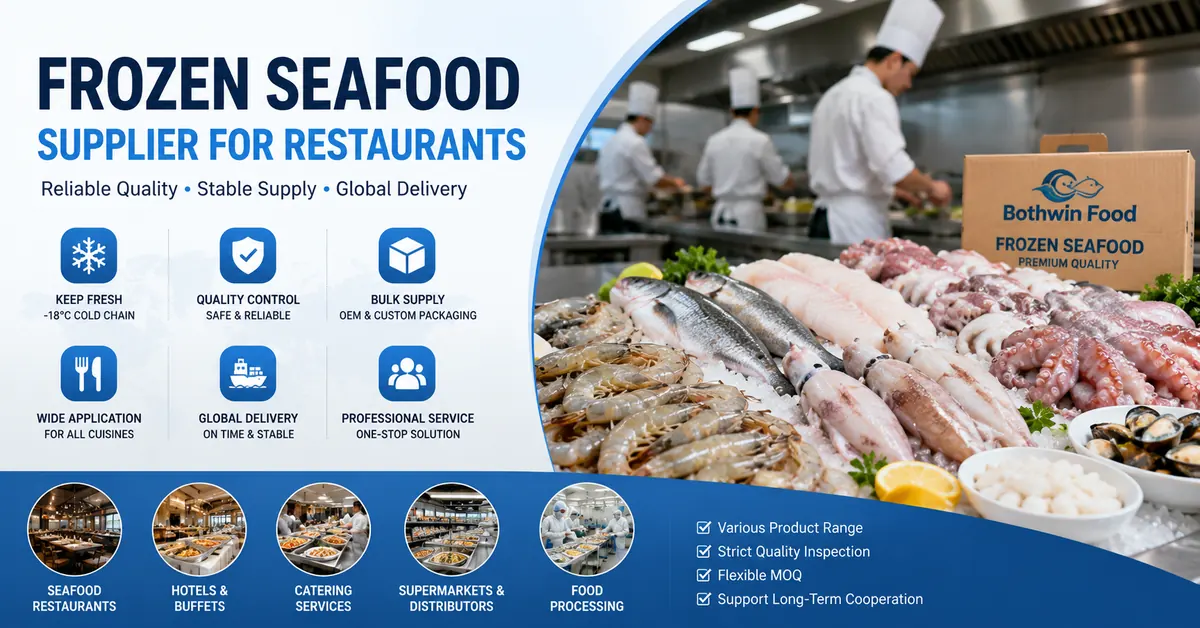
Restaurants should choose a supplier that provides stable frozen seafood categories, clear product specifications, cold-chain storage, export-ready packaging, quality inspection, and flexible bulk supply. A good supplier should also understand restaurant needs such as portion control, fast preparation, consistent size, and repeatable taste.
For buyers comparing different suppliers, the most important points are:
- Product freshness after thawing
- Stable size grading
- Cold-chain temperature control
- Proper packaging for foodservice
- Transparent origin and export documents
- Consistent monthly or seasonal supply
- Quick quotation and sample support
Bothwin Food supplies seafood and food products for global B2B customers, including frozen fish, fresh or frozen shrimp, cephalopods, canned goods, spices, and condiments.
Why Restaurants Prefer Frozen Seafood for Daily Operations
Fresh seafood is attractive, but it can be difficult for restaurants to manage every day. Prices change, supply may be unstable, and storage time is short. Frozen seafood gives restaurants more control.
For restaurant buyers, frozen seafood offers several practical benefits.
First, it supports stable menu planning. Restaurants can keep popular dishes available even when fishing seasons change.
Second, frozen seafood helps control cost. Bulk purchasing and longer storage life reduce emergency buying and waste.
Third, processed frozen seafood saves labor. Peeled shrimp, cleaned squid, fish fillets, and pre-portioned cuts can reduce preparation time in the kitchen.
Finally, frozen seafood is easier to scale. Chain restaurants, hotels, and catering companies need products that can be repeated across multiple locations.
Main Frozen Seafood Products for Restaurants
A professional frozen seafood supplier for restaurants should provide multiple product categories to match different menu styles.
1. Frozen Fish
Frozen fish is widely used in restaurants, hotels, canteens, and catering kitchens. Common product formats include:
- Whole frozen fish
- Fish fillets
- Fish portions
- Headless and gutted fish
- Skin-on or skinless cuts
Frozen fish is suitable for grilling, frying, steaming, baking, and food processing. For restaurants, consistent portion size is important because it affects plate cost and cooking time.
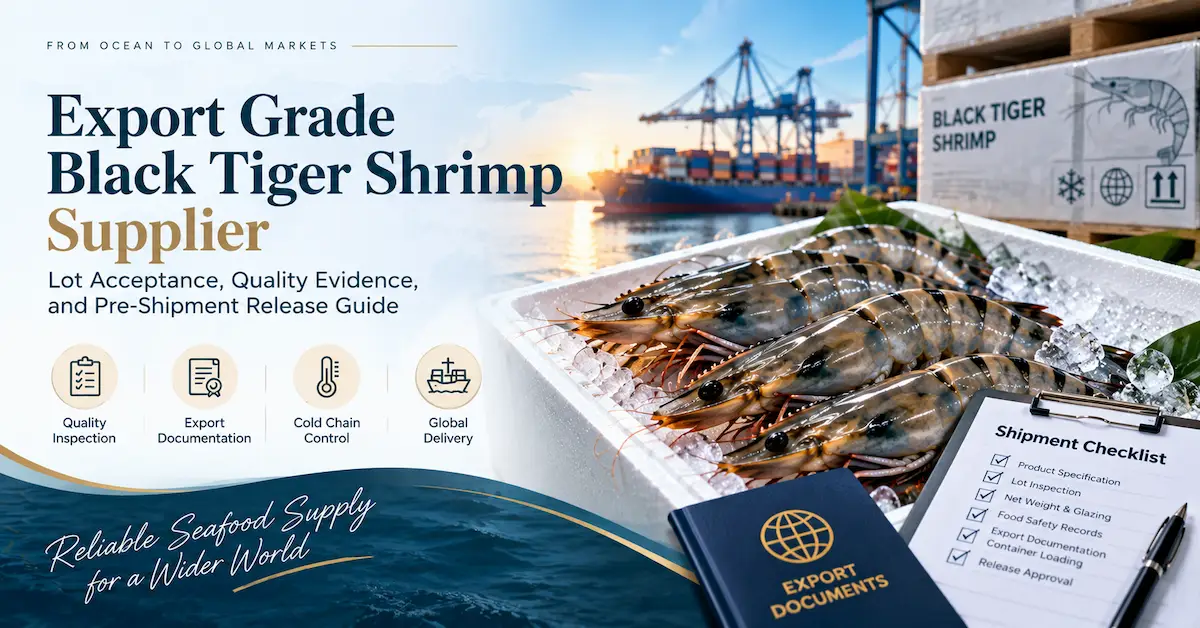
2. Fresh or Frozen Shrimp
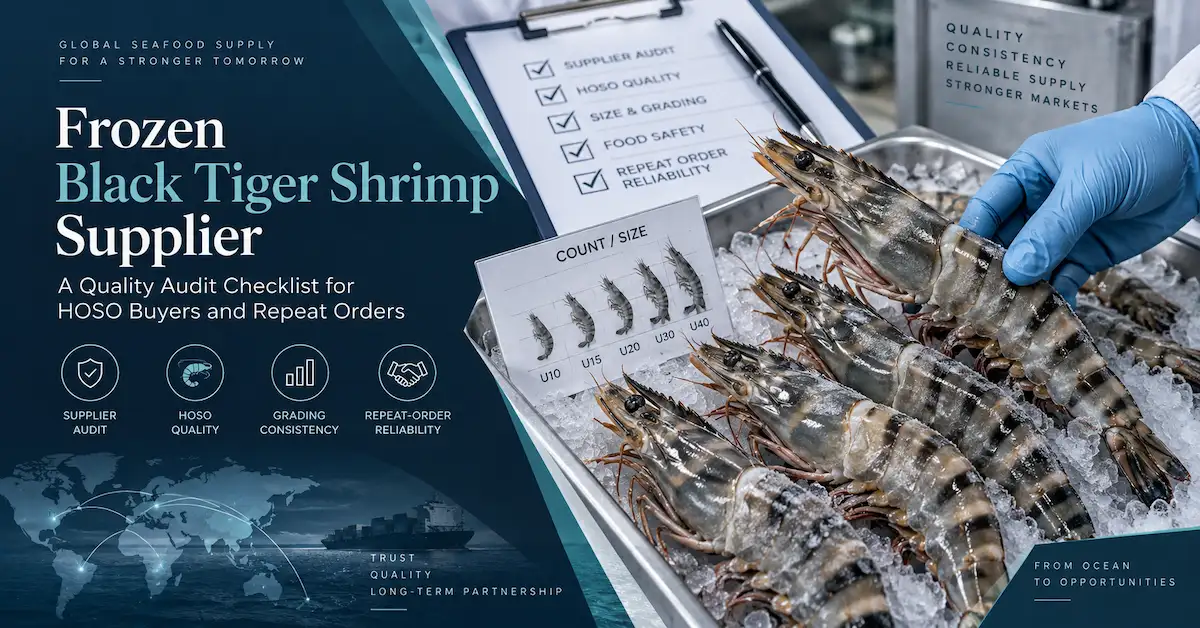
Shrimp is one of the most popular seafood items in commercial kitchens. Restaurants usually care about size, appearance, peeling method, and freezing format.
Common shrimp options include:
- Head-on shrimp
- Headless shrimp
- Peeled and deveined shrimp
- IQF shrimp
- Block frozen shrimp
- Cooked or raw shrimp
A good frozen shrimp supplier should clearly provide size grades such as 21/25, 26/30, 31/40, or other market-specific specifications.
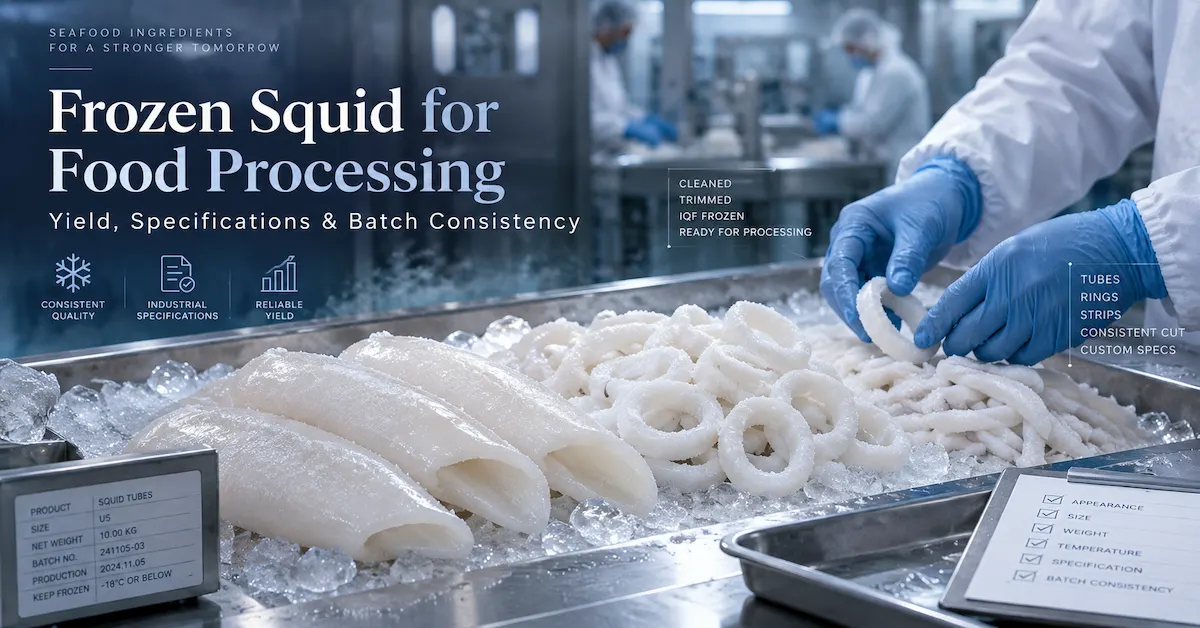
3. Cephalopods: Squid, Octopus, and Cuttlefish
Cephalopods are used in seafood restaurants, Japanese restaurants, barbecue menus, Mediterranean dishes, and frozen ready-meal production.
Common formats include:
- Whole cleaned squid
- Squid rings
- Squid tubes
- Octopus
- Cuttlefish
- Sliced or portioned cephalopod products
For restaurants, cleaning quality and texture after thawing are especially important.
4. Canned Goods, Spices, and Condiments
Besides frozen seafood, some restaurant buyers also need supporting food products such as canned goods, spices, and condiments. These products help buyers simplify purchasing and build a more complete food supply chain.
For importers and distributors, combined seafood and food ingredient sourcing can reduce communication costs and improve procurement efficiency.
Cold-Chain Control: The Foundation of Restaurant-Grade Seafood
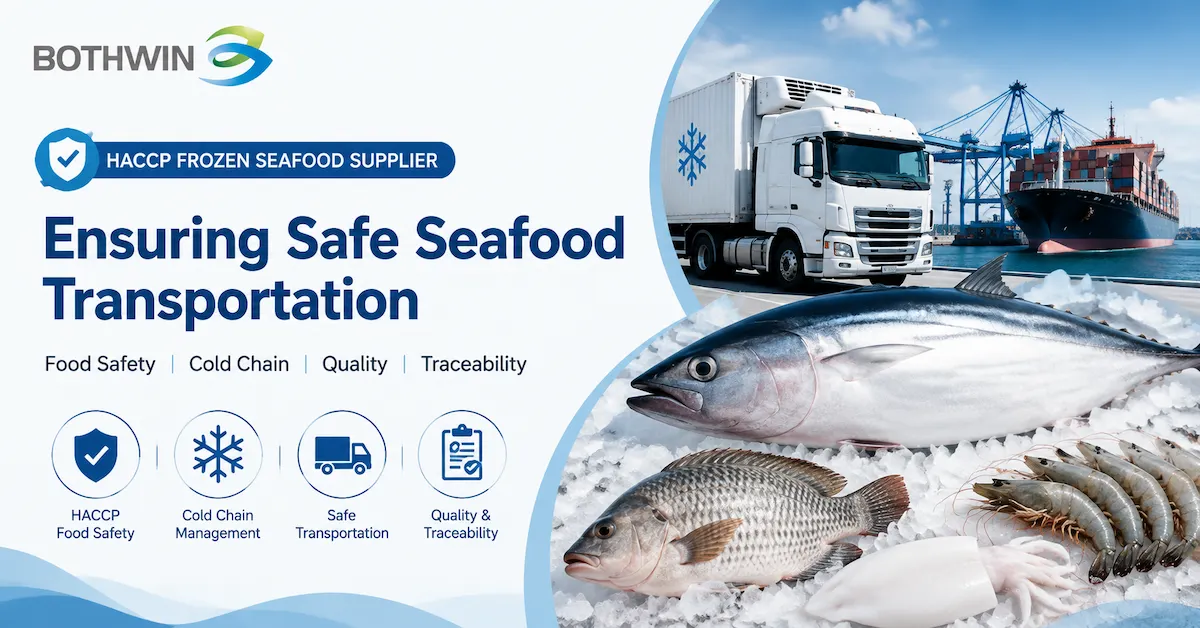
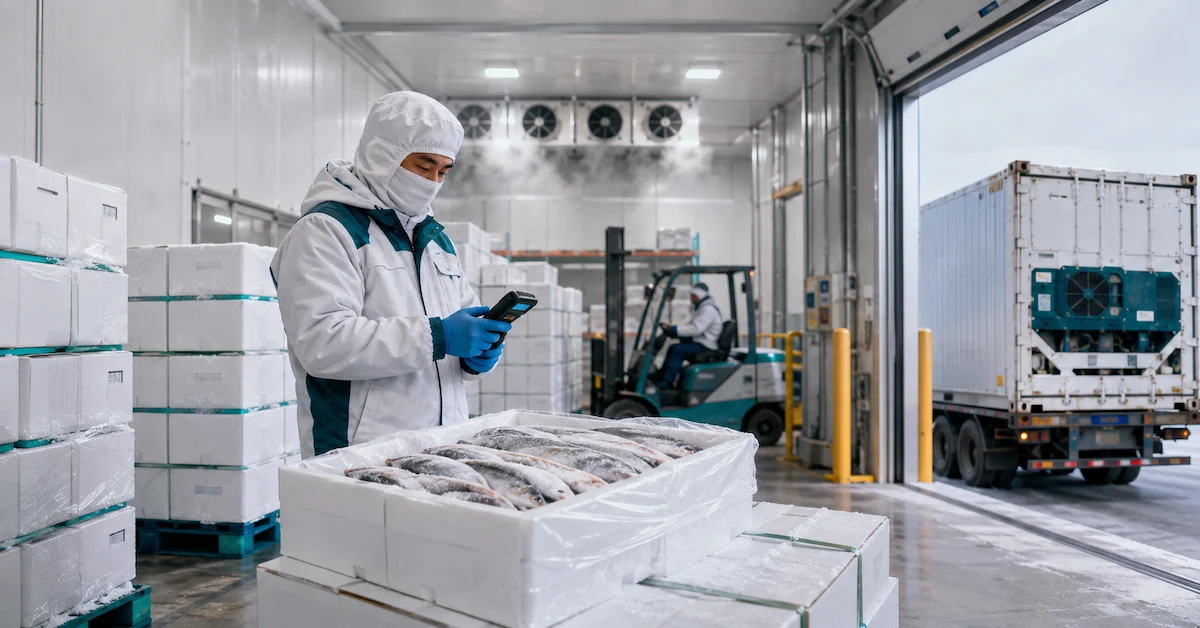
Cold-chain control is one of the most important factors when choosing a frozen seafood supplier for restaurants. Seafood quality can decline quickly if temperature control is poor.
A reliable supplier should pay attention to:
- Freezing temperature
- Storage temperature
- Container loading condition
- Packaging protection
- Transit time
- Temperature records when required
Most frozen seafood should be stored at around -18°C or lower. During processing and export, temperature stability helps maintain texture, moisture, and appearance.
IQF Freezing
IQF means Individually Quick Frozen. Each piece is frozen separately, which helps prevent clumping. This is useful for restaurants because kitchens can take only the amount they need.
IQF shrimp, fish portions, and squid products are especially suitable for restaurants with frequent daily use.
Block Freezing
Block frozen products are usually more cost-effective for bulk use. They are often used by food processors, wholesalers, and high-volume kitchens.
The right choice depends on menu type, kitchen workflow, and budget.
Key Quality Factors Restaurant Buyers Should Check
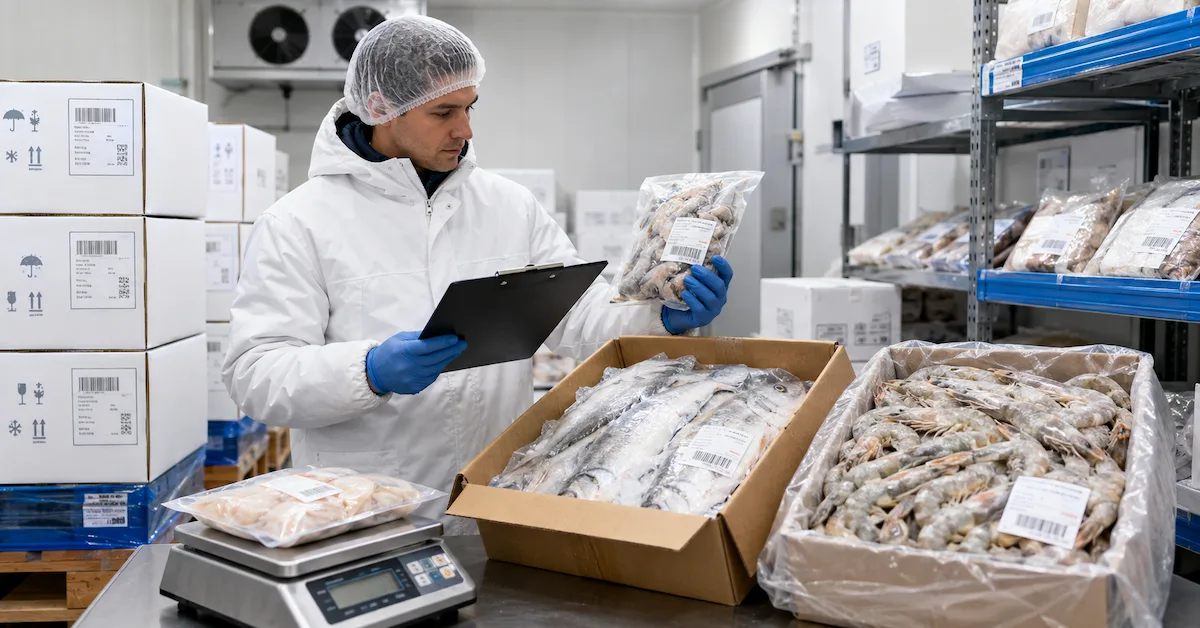
Before placing a bulk order, restaurant buyers should check more than price. The following factors directly affect food cost and kitchen performance.
| Quality Factor | Why It Matters for Restaurants |
|---|---|
| Size grading | Keeps dish portion and cooking time consistent |
| Glazing ratio | Affects real seafood weight and cost calculation |
| Packaging strength | Reduces damage during storage and shipping |
| Freezing method | Influences texture after thawing |
| Origin information | Helps with traceability and import documentation |
| Shelf life | Supports inventory planning |
| Cleaning level | Reduces kitchen labor |
| Moisture control | Affects taste, texture, and yield |
A restaurant seafood supplier should be able to explain these points clearly. If product information is vague, buyers may face higher risk after delivery.
Frozen Seafood Supplier vs Local Fresh Seafood Market
Restaurants often compare frozen seafood suppliers with local fresh seafood markets. Both have value, but they serve different needs.
| Comparison Point | Local Fresh Seafood Market | Frozen Seafood Supplier |
| Supply stability | Depends on season and daily catch | More stable for long-term use |
| Price control | Often fluctuates | Easier for bulk planning |
| Storage life | Short | Longer under frozen storage |
| Portion consistency | Less predictable | Easier to standardize |
| Best for | Daily fresh specials | Regular menu items, chains, catering |
| Export support | Usually limited | Available for B2B buyers |
| Custom packaging | Limited | Can support bulk or private label options |
For small restaurants, local fresh markets may work for daily specials. For chain restaurants, hotels, and distributors, a frozen seafood supplier is often more practical.
How to Choose a Frozen Seafood Supplier for Restaurants
Choosing the right supplier requires a structured review. Restaurant buyers should not only ask “how much is it?” They should ask whether the supplier can support long-term operations.
1. Check Product Range
A supplier with multiple seafood categories can support different menu needs. For example, one buyer may need frozen shrimp for pasta dishes, squid rings for fried appetizers, and fish fillets for main courses.
2. Confirm Specifications
Ask for clear product details, including:
- Species
- Size grade
- Processing method
- Net weight
- Glazing ratio
- Packing style
- Shelf life
- Storage requirements
Clear specifications reduce misunderstanding and help buyers compare quotations correctly.
3. Review Cold-Chain Ability
Cold-chain management is critical for frozen seafood. Buyers should confirm how the products are frozen, stored, packed, and shipped.
4. Ask About Packaging Options
Restaurants and distributors may need different packaging formats:
- Bulk cartons
- Vacuum packs
- Retail bags
- Foodservice packs
- Private label packaging
Suitable packaging can reduce kitchen waste and improve storage efficiency.
5. Request Samples Before Bulk Orders
Samples help buyers check appearance, texture, thawing result, cooking performance, and taste. For restaurants, this step is important before adding a product to the menu.
Common Buying Risks and How to Avoid Them
A low quotation is not always the best choice. Restaurant buyers should watch for several common risks.
Excessive Glazing
Glazing protects frozen seafood, but too much glazing reduces actual seafood weight. Buyers should check net weight and glazing percentage.
Inconsistent Size
If shrimp or fish portions are not consistent, restaurants may face plating problems and uneven cooking results.
Weak Packaging
Poor packaging can cause broken products, freezer burn, or carton damage during transportation.
Unclear Origin
Seafood origin and traceability are important for importers, distributors, and foodservice buyers.
Unstable Supply
Restaurants need repeat orders. A supplier should be able to support regular procurement, not only one-time shipments.
OEM, Bulk Supply, and Custom Packaging Support
For restaurant chains, seafood brands, and distributors, custom supply can be an important advantage.
A professional frozen seafood supplier for restaurants may support:
- Custom carton weight
- Private label packaging
- Foodservice pack design
- Mixed seafood combinations
- Specific size grading
- Long-term supply planning
- Export document support
This is especially useful for buyers who need stable seafood products across multiple branches or markets.
Best Restaurant Applications for Frozen Seafood
Frozen seafood can be used in many commercial foodservice environments.
Seafood Restaurants
Seafood restaurants use frozen shrimp, squid, octopus, and fish for grilled dishes, fried seafood, soups, and seafood platters.
Hotel Kitchens
Hotels need stable products for buffets, banquets, room service, and event catering.
Japanese and Asian Restaurants
Shrimp, squid, octopus, and fish products are widely used in sushi, hotpot, ramen toppings, stir-fry dishes, and izakaya-style menus.
Western Restaurants
Frozen fish fillets, shrimp, and mixed seafood are suitable for seafood pasta, baked fish, risotto, salads, and appetizers.
Catering Companies
Catering businesses need seafood that is easy to store, portion, and prepare for large events.
Food Distributors
Distributors need export-ready seafood products with stable specifications and packaging that fit local market demand.
Why Work with Bothwin Food
Bothwin Food focuses on seafood and food product supply for B2B buyers. The product range covers frozen fish, fresh or frozen shrimp, cephalopods, canned goods, spices, and condiments.
For restaurant buyers and food distributors, Bothwin Food can help simplify sourcing by offering multiple categories, export-oriented communication, and flexible product matching.
Buyers can explore related seafood products through the Products page, learn more about the company background on the About Us page, or send specific sourcing requirements through the Contact Us page.
Final Buying Checklist for Restaurant Buyers
Before confirming a supplier, use this checklist:
- Does the supplier offer the seafood categories you need?
- Are size, weight, and processing details clearly listed?
- Is cold-chain storage properly managed?
- Can the supplier provide foodservice packaging?
- Are samples available before bulk orders?
- Is the quotation based on clear net weight?
- Can the supplier support repeat orders?
- Are export documents and shipping support available?
- Does the supplier respond quickly to technical questions?
- Can the supplier help match products to your menu?
A reliable restaurant seafood supplier should make your purchasing process easier, not more complicated.
FAQ
1. What does a frozen seafood supplier for restaurants provide?
A frozen seafood supplier for restaurants provides bulk seafood products such as frozen fish, shrimp, squid, octopus, and mixed seafood packs for commercial kitchens, hotels, catering companies, and distributors.
2. Is frozen seafood good for restaurant use?
Yes. Properly frozen seafood can help restaurants maintain stable supply, reduce waste, control cost, and keep menu items available throughout the year.
3. What frozen seafood products are most popular for restaurants?
Popular products include frozen shrimp, fish fillets, squid rings, octopus, whole fish, and mixed seafood packs.
Conclusion
Choosing a reliable frozen seafood supplier for restaurants is essential for stable kitchen operations, consistent menu quality, and better cost control. Restaurants, hotels, catering companies, and distributors need more than seafood products. They need a supplier that understands cold-chain logistics, portion consistency, packaging, export support, and long-term supply planning.
Bothwin Food provides frozen seafood and food products for global B2B buyers, helping restaurants and distributors source fish, shrimp, cephalopods, canned goods, spices, and condiments with professional supply support.
For restaurant seafood sourcing, contact Bothwin Food to discuss product specifications, packaging requirements, sample options, and wholesale supply solutions through the Contact Us page.