

blog
Global Frozen Seafood Market Trends: Opportunities for Importers

Global Frozen Seafood Market Trends: Opportunities for Importers

blog avatar
Release time
Jan 12 2026
  • Seafood Processing & Quality Control

Follow us

global-frozen-seafood-market-trends-opportunities-for-importers

The global frozen seafood market continues to expand as demand grows for convenient, high-quality protein sources. For importers and distributors, understanding market trends is essential for building competitive product portfolios and securing stable suppliers.

Frozen seafood offers advantages such as extended shelf life, consistent quality, and efficient logistics. Products such as shrimp, squid, fish fillets, and other frozen seafood remain in strong demand across multiple regions.

Market preferences vary by region. Some markets prioritize premium quality and certifications, while others focus on affordability and bulk supply. Importers increasingly seek exporters who can adapt to these differences and provide long-term supply stability.

Bothwin supports global B2B customers by offering flexible cooperation, stable sourcing, and professional export services. With experience in seafood export operations, Bothwin helps buyers respond to changing market demands and build sustainable supply chains.

By aligning product quality, processing standards, and market understanding, Bothwin positions itself as a reliable partner for importers seeking growth opportunities in the global frozen seafood market.
Featured Blogs
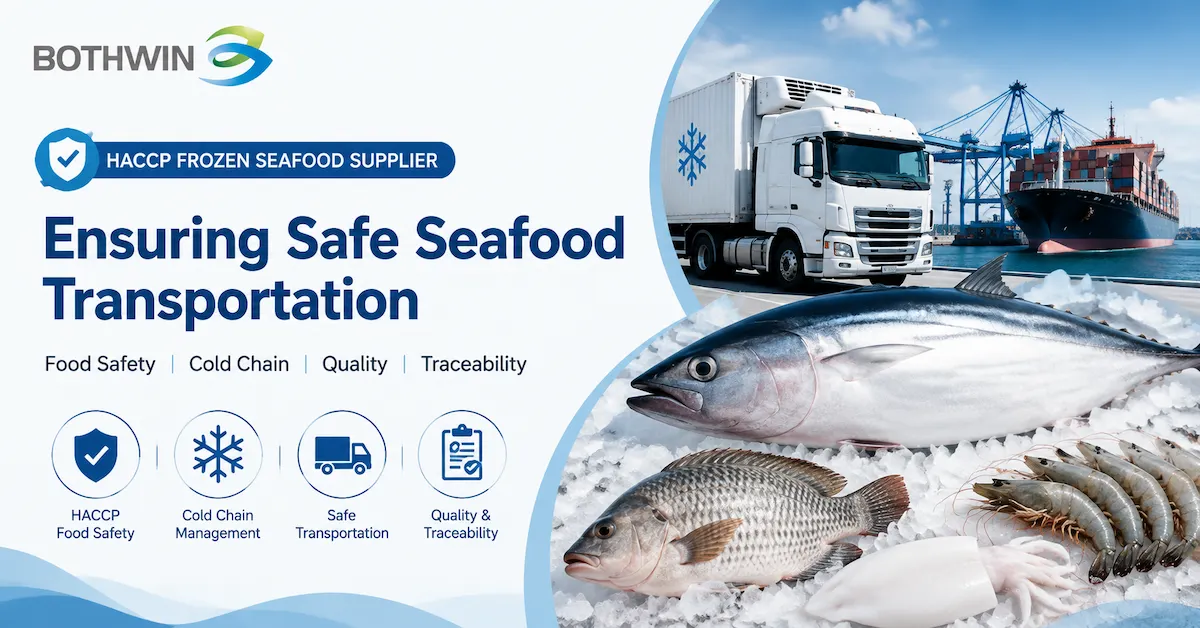
How Does a HACCP Frozen Seafood Supplier Ensure Safe Seafood Transportation?

How Does a HACCP Frozen Seafood Supplier Ensure Safe Seafood Transportation?

A HACCP frozen seafood supplier helps international buyers reduce food safety risks through controlled processing, quality management, cold chain transportation, and traceability systems. This guide explains how HACCP practices support safe frozen seafood export from production to final delivery.

How Does Cold Chain Management Affect Frozen Seafood Quality During Export?

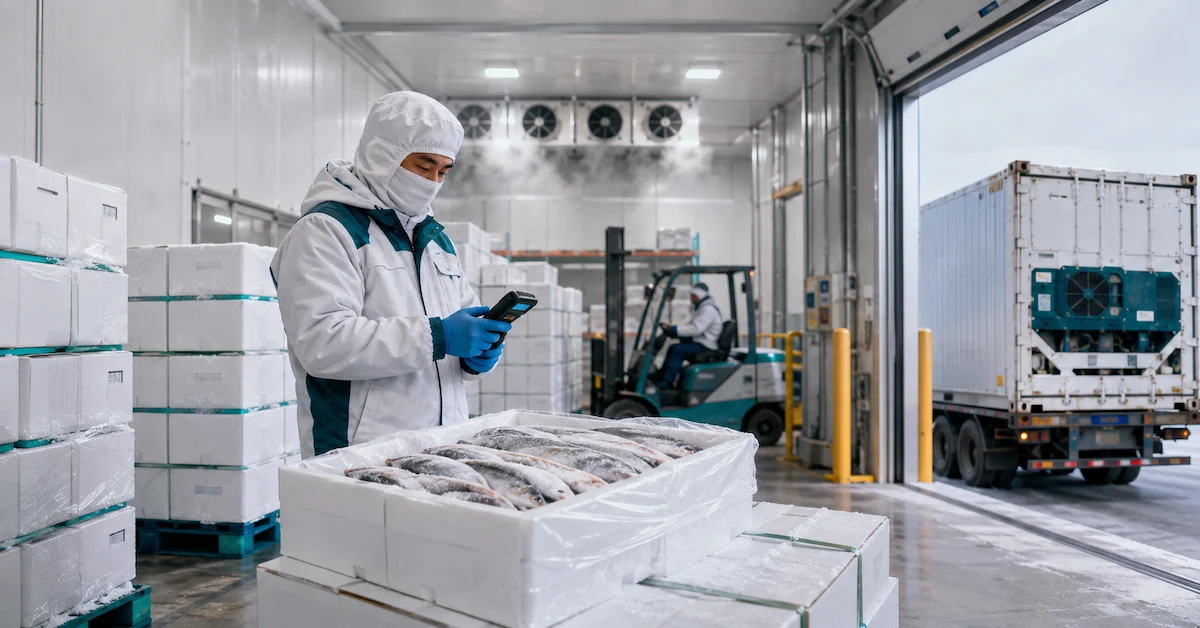
How Does Cold Chain Management Affect Frozen Seafood Quality During Export?

Cold chain management plays a critical role in maintaining frozen seafood quality during international transportation. This guide explains how temperature control, cold storage, reefer containers, packaging, and shipment handling help importers reduce quality risks and ensure stable frozen seafood supply.

What Quality Checks Should Importers Perform Before Buying Frozen Seafood?

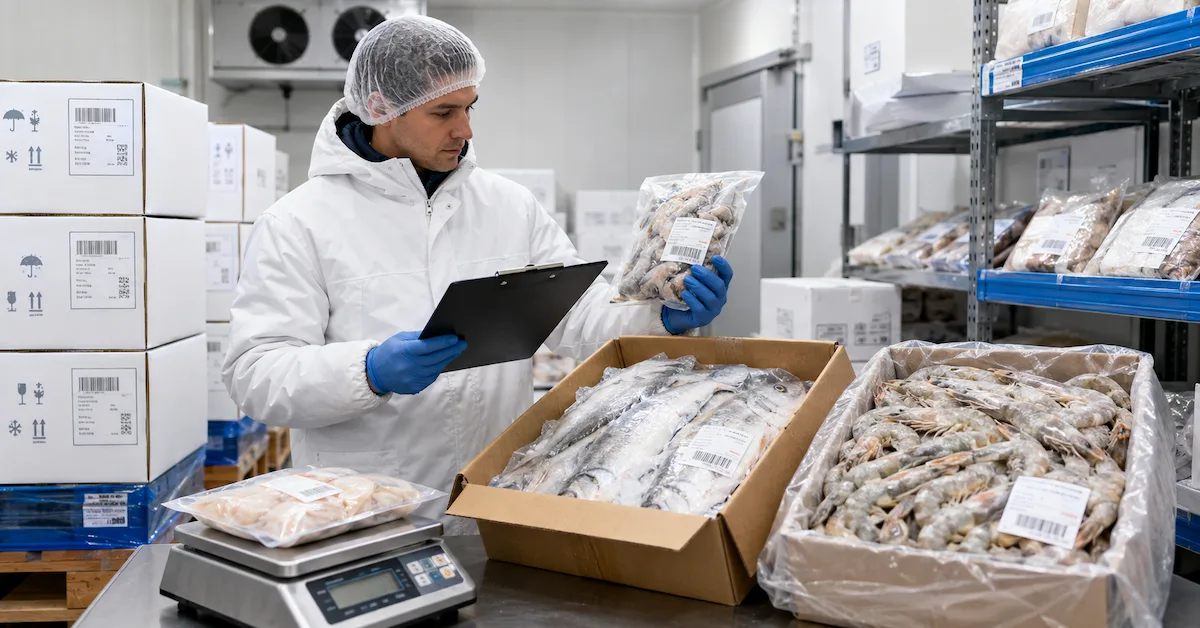
What Quality Checks Should Importers Perform Before Buying Frozen Seafood?

Before placing a frozen seafood order, importers need to verify more than supplier pricing. This guide explains the key frozen seafood quality checks covering product specifications, size consistency, net weight, glazing, temperature control, processing standards, traceability, and pre-shipment inspection to help buyers reduce sourcing risks.

How Does Glazing Percentage Affect Frozen Seafood Cost for Importers?

How Does Glazing Percentage Affect Frozen Seafood Cost for Importers?

Frozen seafood glazing percentage can change how importers interpret net weight, usable seafood quantity, and supplier quotations. This guide explains what glazing does, how buyers should compare glazed seafood offers, why a lower carton price may not mean a lower real cost, and what to specify in RFQs, contracts, and pre-shipment inspections.

How to Store Frozen Fish for Export: A Practical Cold Chain Guide for Seafood Buyers

How to Store Frozen Fish for Export: A Practical Cold Chain Guide for Seafood Buyers

Knowing how to store frozen fish for export is essential for protecting product quality during cold storage, container loading, ocean transport, customs clearance, and destination distribution. This guide explains temperature control, packaging, warehouse handling, reefer shipment preparation, monitoring, and receiving checks for seafood exporters, importers, wholesalers, and cold-chain teams.

Whole Frozen Tilapia for Wholesale: How to Choose Sizes, Freezing and Packing

Whole Frozen Tilapia for Wholesale: How to Choose Sizes, Freezing and Packing

Buying whole frozen tilapia for wholesale requires clear decisions on fish size, processing form, IQF or block freezing, glazing, net weight, packaging, and target sales channel. This guide helps seafood importers, wholesalers, distributors, and foodservice buyers build a practical tilapia specification that supports consistent quality, usable yield, easier resale, and more accurate bulk quotations.