

How Does Cold Chain Management Affect Frozen Seafood Quality During Export?
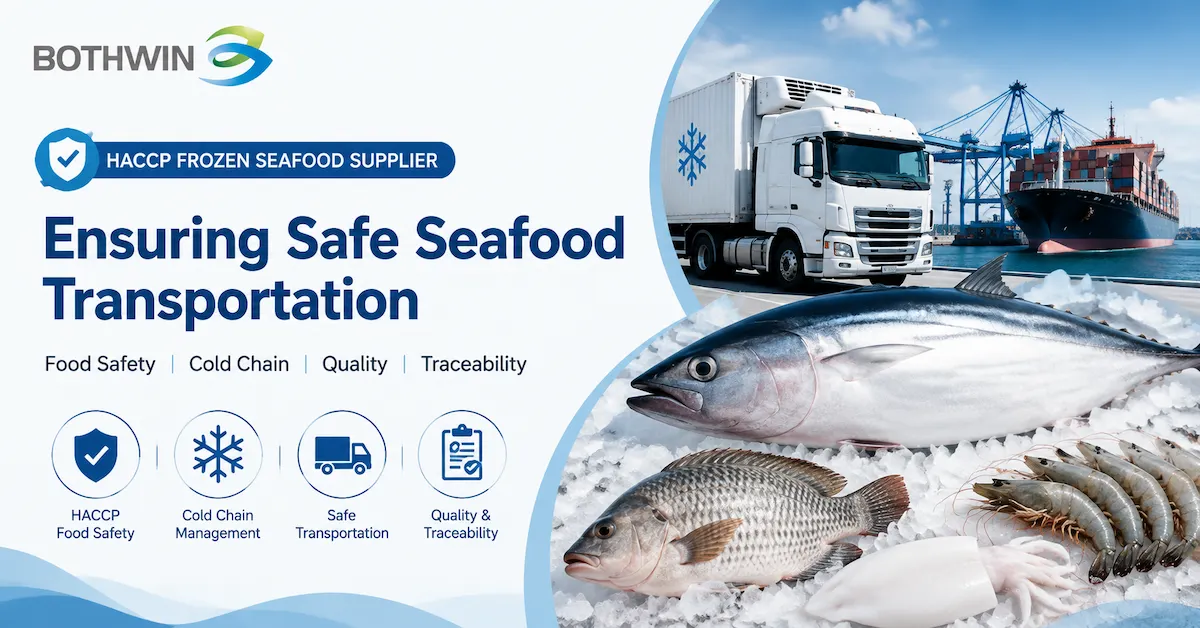
For international seafood buyers, frozen seafood quality does not depend only on processing and raw material selection. The entire cold chain system determines whether the product can maintain its expected quality from the supplier's facility to the buyer's warehouse.
Frozen seafood cold chain management refers to the continuous temperature-controlled process that protects seafood quality during:
- processing
- freezing
- cold storage
- inland transportation
- container loading
- ocean shipping
- destination delivery
A frozen seafood product may meet the required specification when it leaves the factory, but poor temperature control during transportation can affect:
- texture
- appearance
- moisture retention
- shelf life
- customer acceptance
For importers purchasing container-volume frozen seafood, cold chain capability should be evaluated as an important supplier-selection factor, together with:
- product specification
- quality control
- packaging
- documentation
- export experience
A reliable seafood supplier should not only provide products but also demonstrate how those products are protected throughout the export journey.
Bothwin supports international seafood buyers with product sourcing, export preparation, packaging coordination, and cold-chain considerations throughout the purchasing process. Buyers can review the company's frozen seafood products when preparing their sourcing requirements.
What Is Cold Chain Management in Frozen Seafood Export?
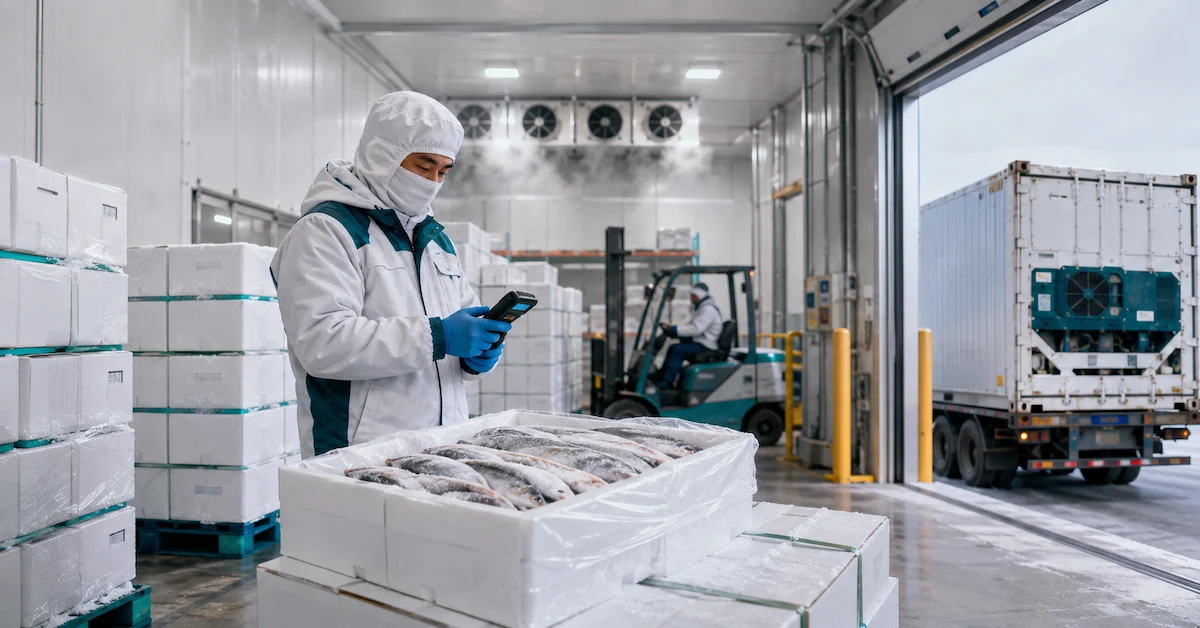
Cold chain management is a temperature-controlled supply system designed to maintain frozen seafood conditions from production until final delivery.
A typical frozen seafood export cold chain includes:
Processing Facility
↓
Freezing Process
↓
Cold Storage Warehouse
↓
Refrigerated Transportation
↓
Port Handling
↓
Reefer Container Shipping
↓
Importer Cold Storage
Each stage can influence final product quality.
The purpose of cold chain management is to minimize temperature fluctuations and prevent conditions that may damage frozen seafood.
Key cold-chain control points include:
- freezing speed
- storage temperature
- transportation temperature
- loading time
- container condition
- shipment monitoring
- receiving procedures
For buyers, the important question is:
Can the supplier maintain the required frozen condition from production until delivery?
This is especially important for long-distance international shipments where products may spend weeks between departure and arrival.
Why Is Cold Chain Important for Frozen Seafood Export?
Frozen seafood is highly dependent on temperature stability.
When frozen products remain under proper temperature conditions, they can maintain:
- product structure
- appearance
- flavor characteristics
- commercial value
However, temperature problems may create quality risks.
Potential cold-chain problems include:
Partial Thawing
If frozen seafood experiences temperature increases, parts of the product may begin to thaw.
This may affect:
- texture
- water retention
- appearance after cooking
Refreezing Problems
Repeated freezing and thawing cycles can create:
- larger ice crystals
- moisture loss
- quality deterioration
Freezer Burn
Poor storage conditions may cause surface dehydration, resulting in:
- dry appearance
- color changes
- reduced customer acceptance
Reduced Shelf Stability
Temperature fluctuations may shorten the expected storage period and increase commercial risk.
For importers, maintaining cold-chain consistency is not only a quality issue. It is also a cost-control issue because rejected or downgraded products can create:
- customer complaints
- additional handling costs
- inventory losses
- reduced margins
What Temperature Should Frozen Seafood Be Stored At?
The required temperature depends on the product specification, destination requirements, and supplier agreement.
For many commercially frozen seafood products, storage and transportation are commonly maintained at approximately -18°C or below, although buyers should always confirm the exact requirement for their product and market.
FAO guidance on frozen fish transportation highlights the importance of maintaining low-temperature conditions during storage and transport to reduce quality deterioration. (FAO)
Importers should confirm:
- required storage temperature
- transportation temperature
- reefer container setting
- monitoring method
- acceptable temperature variation
A professional RFQ should not only ask:
“What is your seafood price?”
It should also clarify:
“How will the frozen condition be maintained throughout export?”
How Does Temperature Affect Frozen Seafood Quality?
Temperature stability affects several important seafood characteristics.
Texture
Temperature fluctuations can affect muscle structure and moisture retention.
This is especially important for products such as:
- frozen tuna steak
- fish fillets
- portion seafood
Appearance
Improper freezing conditions may contribute to:
- dehydration
- surface changes
- quality concerns during inspection
Cooking Performance
For foodservice buyers, frozen seafood quality after thawing and cooking is often a key purchasing factor.
Customer Satisfaction
Distributors and retailers depend on consistent product performance.
A shipment that arrives with quality variation may affect:
- repeat purchases
- customer trust
- brand reputation
Therefore, cold chain should be considered part of the product quality system, not simply a logistics issue.
What Are the Main Stages of Frozen Seafood Cold Chain Management?
A complete cold chain includes several connected stages.
| Cold Chain Stage | Main Quality Control Focus |
|---|---|
| Processing | Product freezing condition |
| Cold Storage | Stable temperature management |
| Transportation | Refrigerated handling |
| Loading | Minimize temperature exposure |
| Shipping | Reefer container operation |
| Arrival | Receiving inspection |
Each stage requires coordination between suppliers, logistics providers, importers, and warehouse operators.
A failure at any point may affect the final product condition.
How Do Frozen Seafood Exporters Maintain Cold Chain Control?
A professional frozen seafood exporter needs to control temperature from the moment seafood is frozen until the product reaches the buyer.
Cold chain management is not a single action. It is a connected system involving:
- freezing equipment
- cold storage facilities
- transportation arrangements
- loading procedures
- reefer container management
- shipment monitoring
For international buyers, the supplier's cold-chain capability is an important factor when evaluating long-term cooperation.
A supplier that can consistently maintain frozen conditions helps reduce:
- quality complaints
- shipment risks
- product losses
- customer dissatisfaction
Cold Chain Control During Seafood Processing
The cold chain starts at the processing facility.
After seafood is processed, the product needs to be frozen and stored according to the agreed product requirements.
Important control points include:
Rapid Freezing
Rapid freezing helps reduce the formation of large ice crystals that may affect product structure.
The freezing method depends on the product type.
Common commercial methods include:
- IQF (Individual Quick Freezing)
- block freezing
- other agreed freezing processes
Different products may require different freezing approaches.
For example:
- shrimp may require individual freezing formats
- fish fillets may require specific freezing and packaging methods
- tuna products may require controlled freezing processes to maintain texture
Frozen Storage Before Shipment
Before export, frozen seafood is usually stored in cold storage facilities.
Importers should confirm:
- storage temperature conditions
- warehouse management
- product identification system
- inventory control method
- batch management
Good warehouse management helps ensure that products shipped to customers match the agreed specification.
How Do Reefer Containers Protect Frozen Seafood During Ocean Shipping?
Reefer containers are refrigerated containers designed to maintain controlled temperatures during international transportation.
For frozen seafood exports, reefer management is a critical part of the cold chain.
A typical ocean shipment may involve:
Supplier Cold Storage
↓
Refrigerated Truck
↓
Port Loading
↓
Reefer Container
↓
Ocean Transportation
↓
Importer Warehouse
During this process, buyers should pay attention to:
- container condition
- loading time
- temperature setting
- airflow space
- shipment duration
Why Is Reefer Container Loading Important?
Even with a refrigerated container, improper loading procedures can create risks.
During loading, exporters should consider:
Minimize Door Opening Time
Opening the container door for extended periods may allow warm air to enter.
This can affect temperature stability.
Maintain Proper Product Arrangement
Frozen seafood should be loaded in a way that supports:
- airflow circulation
- temperature distribution
- product protection
Confirm Product Condition Before Loading
Products should be:
- fully frozen
- properly packed
- ready for transportation
Loading partially frozen products into a reefer container can create quality risks during shipment.
What Should Importers Ask About Reefer Shipment?
Before ordering, buyers can ask suppliers:
- What reefer temperature is used?
- How is container loading managed?
- How long does loading normally take?
- Are temperature records available?
- How is product condition checked before shipment?
- What happens if temperature problems occur during transportation?
These questions help buyers understand whether the supplier has a structured export process.
How Does Packaging Support Frozen Seafood Cold Chain?
Packaging is not only for branding and transportation.
It also protects frozen seafood during storage and shipping.
Good packaging helps reduce:
- physical damage
- moisture loss
- contamination risk
- transportation problems
Important packaging factors include:
Export Carton Strength
Seafood cartons need to withstand:
- stacking pressure
- cold storage conditions
- international transportation
Inner Packaging
Depending on the product, packaging may include:
- plastic bags
- vacuum packs
- retail packs
- foodservice packs
Label Information
Labels may need to include:
- product name
- net weight
- storage instructions
- batch information
- destination requirements
For buyers requiring customized packaging, packaging requirements should be confirmed before production.
Bothwin supports international seafood buyers with product selection, packaging coordination, and export preparation. Buyers can review the company's seafood product range when planning their requirements.
How Does Cold Chain Affect Different Frozen Seafood Products?
Different seafood products have different cold-chain considerations.
Frozen Tuna
Frozen tuna products often require careful temperature control because buyers may focus on:
- color
- texture
- cutting performance
- final application
For tuna steak, loin, or other processed products, temperature stability helps maintain product quality during storage and transportation.
Buyers can review Bothwin's Premium Frozen Tuna solutions for commercial tuna sourcing.
Whole Frozen Tilapia
For whole frozen tilapia, buyers commonly evaluate:
- size consistency
- freezing condition
- packaging
- storage stability
Long-distance transportation requires proper cold-chain management to maintain product condition.
Buyers can review Bothwin's Whole Frozen Tilapia for Export information.
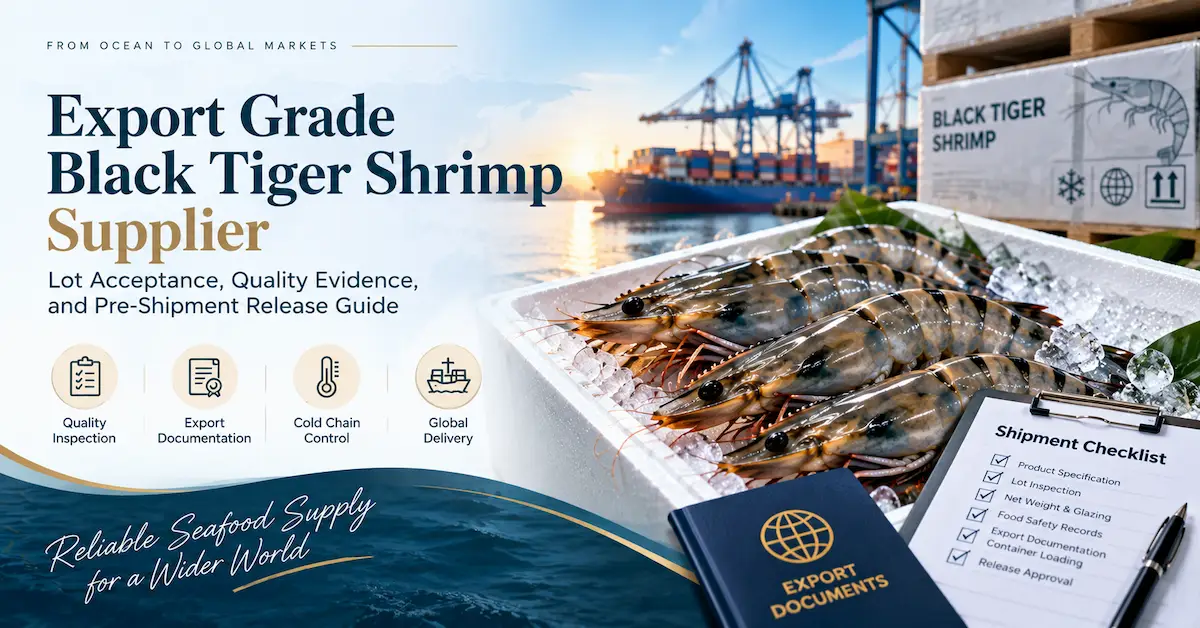
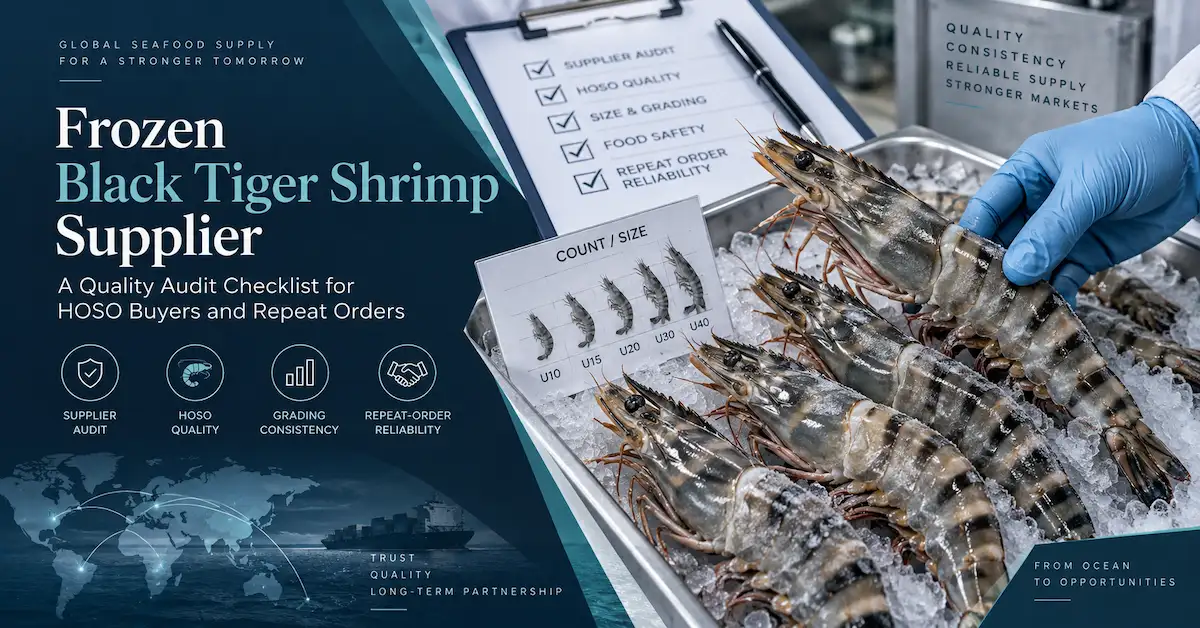
Frozen Shrimp
Shrimp buyers often pay attention to:
- glazing
- count size
- packaging
- frozen condition
Because shrimp products may involve individual pieces, temperature and packaging control are especially important.
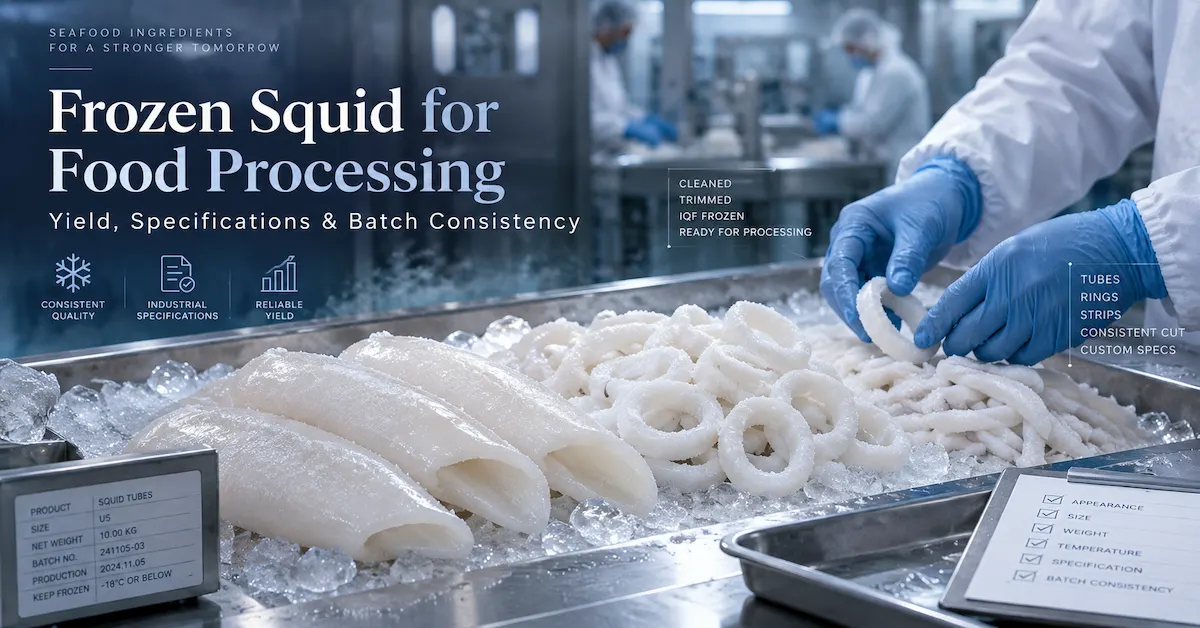
Frozen Squid
For squid products, buyers may evaluate:
- processing condition
- appearance
- cleaning standard
- frozen storage performance
The correct cold-chain approach depends on the product specification and customer application.
What Should Importers Verify Before Shipment?
Before shipment, buyers should confirm that the supplier has addressed:
| Check Item | Buyer Verification |
|---|---|
| Product Condition | Seafood fully frozen before loading |
| Storage | Stable cold storage environment |
| Temperature | Required temperature maintained |
| Packaging | Cartons and packs protected |
| Loading | Proper container handling |
| Documents | Shipment records available |
| Traceability | Batch information available |
These checks help buyers reduce risks before the product leaves the supplier's facility.
What Questions Should Buyers Ask Frozen Seafood Suppliers About Cold Chain?
Before selecting a supplier, importers can ask:
About Storage
- Where is frozen seafood stored before shipment?
- How is warehouse temperature controlled?
- How are products identified and managed?
About Transportation
- Are refrigerated trucks used?
- How is temperature maintained during transport?
- How is loading organized?
About Ocean Shipping
- What reefer container settings are used?
- How is container loading handled?
- Are shipment records available?
About Quality Control
- How is frozen condition verified?
- What happens if a quality issue occurs?
- How are customer complaints handled?
These questions help buyers evaluate whether a supplier has a complete cold-chain system rather than only a product supply capability.
How Can Importers Reduce Frozen Seafood Shipping Risks?
Importers can reduce cold-chain risks by:
1. Choosing Suppliers With Export Experience
Experience with international shipments helps suppliers understand:
- documentation requirements
- container operations
- destination expectations
2. Defining Requirements Clearly
Before ordering, confirm:
- product specification
- storage requirements
- packaging
- shipment conditions
3. Reviewing Quality Documents
Where applicable, review:
- product specifications
- shipment documents
- inspection information
4. Planning Receiving Procedures
After arrival, buyers should have a process for:
- checking product condition
- verifying documents
- recording any issues
A strong receiving process helps identify problems quickly.
Frozen Seafood Cold Chain Checklist for Importers
For international frozen seafood buyers, a cold-chain checklist helps verify whether products can maintain quality from production to final delivery.
Cold chain management should not be evaluated only when the shipment arrives. It should be reviewed throughout the entire export process.
A practical checklist includes:
| Cold Chain Stage | Buyer Verification |
|---|---|
| Processing | Seafood is properly frozen before storage |
| Cold Storage | Stable temperature is maintained |
| Warehouse Management | Products are identified and tracked |
| Transportation | Refrigerated transport is used |
| Loading | Temperature exposure time is minimized |
| Reefer Container | Container condition is confirmed |
| Shipment | Temperature management is maintained |
| Arrival | Receiving inspection is completed |
A supplier with a structured cold-chain process can help importers reduce risks during international transportation.
What Are the Most Common Frozen Seafood Cold Chain Mistakes?
Even when seafood quality is acceptable at the processing stage, problems can occur during storage and transportation.
The most common cold-chain mistakes include:
Mistake 1: Focusing Only on Product Price
Some buyers choose suppliers based only on the lowest quotation.
However, seafood cost is affected by many factors:
- product specification
- packaging
- cold-chain capability
- shipment reliability
- quality consistency
A supplier with stronger cold-chain management may provide better long-term value even if the initial quotation is not the lowest.
Mistake 2: Not Asking About Storage Conditions
Buyers sometimes confirm product details but ignore storage conditions.
Important questions include:
- Where is the seafood stored?
- What temperature is maintained?
- How are products managed before shipment?
- How is inventory rotated?
Storage conditions directly affect product stability.
Mistake 3: Ignoring Loading Procedures
Container loading is a critical moment.
Poor loading practices may cause:
- unnecessary temperature exposure
- product handling damage
- reduced temperature stability
Buyers should understand how suppliers organize loading before shipment.
Mistake 4: Not Considering Transit Time
International seafood shipments may spend considerable time in transportation.
Buyers should consider:
- shipment distance
- port conditions
- transit duration
- destination storage capability
Cold-chain planning should match the actual logistics route.
Mistake 5: Lack of Arrival Inspection
The cold chain does not end when the container arrives.
Importers should check:
- container condition
- product temperature
- packaging condition
- quantity
- visible quality issues
A receiving inspection helps identify potential problems quickly.
How Should Importers Evaluate a Frozen Seafood Supplier's Cold Chain Capability?
When selecting a supplier, buyers should evaluate more than product availability.
Important supplier evaluation factors include:
Processing Capability
Confirm:
- freezing process
- product handling procedures
- production consistency
Storage Capability
Evaluate:
- cold storage management
- inventory control
- product traceability
Export Capability
Check:
- international shipping experience
- export documentation ability
- container handling procedures
Communication Capability
A reliable supplier should be able to clearly explain:
- product specifications
- shipment procedures
- quality requirements
- problem-solving processes
Good communication reduces misunderstandings during international purchasing.
How Does Cold Chain Management Support Long-Term Seafood Supply?
For repeat buyers, cold-chain consistency is one of the foundations of stable supply relationships.
A long-term seafood program requires:
- consistent product quality
- predictable shipment performance
- repeatable specifications
- reliable logistics coordination
For example, a seafood distributor purchasing monthly containers needs confidence that future shipments will maintain:
- the same product grade
- the same packaging standard
- the same frozen condition
This is why professional buyers evaluate suppliers based on overall supply capability rather than one shipment price.
Bothwin works with international buyers by supporting seafood sourcing requirements, product specifications, export preparation, and supply coordination. Buyers can explore the Bothwin seafood product range for different frozen seafood applications.
Frozen Seafood Cold Chain Buyer Checklist
Before confirming a supplier, importers can review:
| Question | Confirmed |
|---|---|
| Is the seafood fully frozen before shipment? | ☐ |
| Is the storage temperature controlled? | ☐ |
| Is cold storage available before export? | ☐ |
| Is refrigerated transportation arranged? | ☐ |
| Is reefer container handling controlled? | ☐ |
| Are loading procedures defined? | ☐ |
| Are product specifications confirmed? | ☐ |
| Are packaging requirements confirmed? | ☐ |
| Are shipment documents prepared? | ☐ |
| Is arrival inspection planned? | ☐ |
This checklist helps buyers create a more complete frozen seafood purchasing process.
FAQ About Frozen Seafood Cold Chain Management
What is frozen seafood cold chain management?
Frozen seafood cold chain management is the temperature-controlled system used to maintain seafood quality from processing through storage, transportation, export shipment, and final delivery.
Why is cold chain important for frozen seafood exports?
Cold chain helps protect seafood quality by reducing temperature fluctuations that may affect texture, appearance, moisture retention, and shelf stability.
What temperature should frozen seafood be stored at?
The exact requirement depends on the product and market, but many commercially frozen seafood products are commonly stored and transported at approximately -18°C or below. Buyers should confirm the required temperature with suppliers and destination requirements.
What happens if frozen seafood temperature increases during shipping?
Temperature increases may cause partial thawing, texture changes, moisture loss, quality reduction, and potential customer complaints.
What is a reefer container?
A reefer container is a refrigerated shipping container designed to maintain controlled temperatures during international transportation.
How can importers check whether a supplier has good cold-chain management?
Buyers can ask about:
- cold storage conditions
- freezing process
- transportation method
- reefer handling
- temperature monitoring
- shipment procedures
Does packaging affect frozen seafood cold chain?
Yes. Proper packaging helps protect seafood during storage and transportation by reducing physical damage, moisture loss, and handling risks.
Should importers request temperature records?
Where applicable, buyers may request temperature-related information or shipment records as part of their supplier communication and quality management process.
How does cold chain affect seafood shelf life?
Stable frozen conditions help maintain product quality during storage, while temperature fluctuations may accelerate quality deterioration.
What should I check after receiving frozen seafood?
Importers should check:
- product condition
- packaging
- quantity
- temperature condition
- documentation
- any visible quality issues
Conclusion
Cold chain management is one of the most important factors affecting frozen seafood quality during export.
A successful frozen seafood shipment requires coordination between:
- processing
- freezing
- storage
- transportation
- reefer shipping
- destination handling
For importers, evaluating a seafood supplier should include not only:
- product price
- product range
- MOQ
but also:
- temperature control capability
- export experience
- packaging protection
- shipment management
- quality consistency
The strongest seafood sourcing strategy is built on a complete supply chain:
Correct Product → Proper Processing → Stable Cold Chain → Reliable Shipment → Consistent Quality
For your next frozen seafood sourcing project, explore Bothwin's frozen seafood products and contact Bothwin with your product requirements, destination market, and quality expectations.